
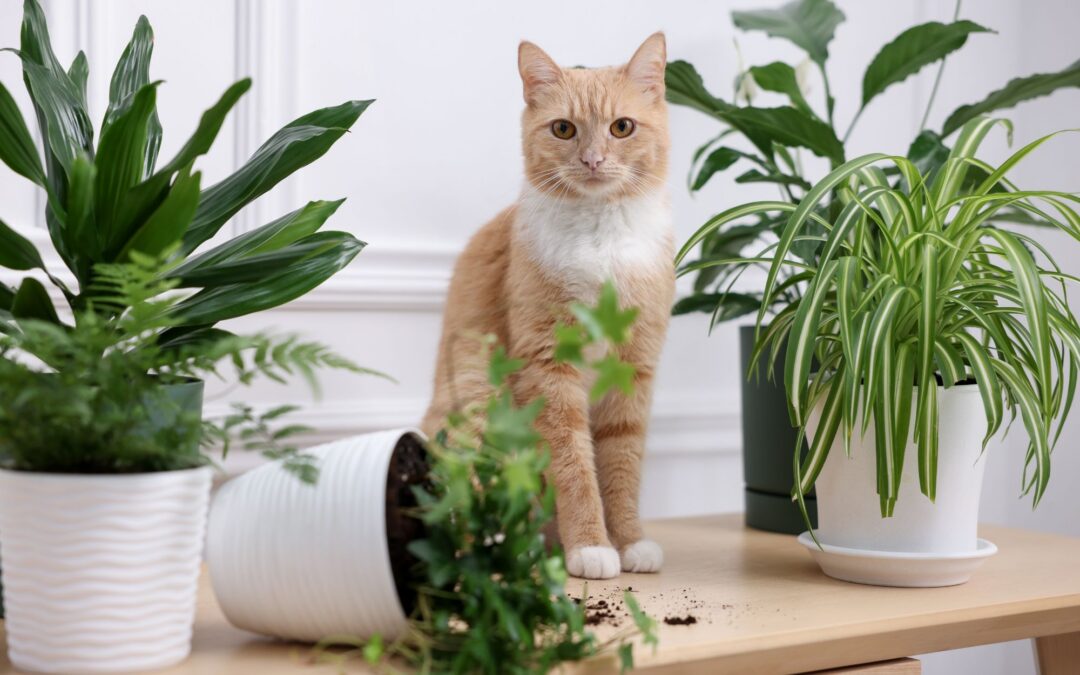
As a cat parent, keeping your furry companion safe and healthy is always a top priority. While plants can brighten up your home, it’s important to know that some houseplants contain poisonous substances that can be harmful, or even deadly, to cats. Curious by nature, cats often nibble on greenery, but a few bites of the wrong plant can lead to serious problems.
This guide will help you spot toxic plants and poisonous plants that commonly appear in homes, like the snake plant or swiss cheese plant, and explain the warning signs to watch for if your cat takes a nibble. We’ll also share steps to take if your cat encounters a poisonous substance, plus safe, cat-friendly alternatives so your home can stay green and your feline friend stays healthy.
What Makes a Plant Dangerous for Cats?
Before we dive into the specifics of toxic plants for cats, it’s important to understand why certain plants are harmful. According to Cats Protection, when bringing plants into your home, you need to choose carefully. Certain varieties like ficus, cheese plants, and aloe vera can be harmful to them. Seasonal favorites such as mistletoe and poinsettia should also be kept out of reach. Some plants are extremely dangerous too. For example, cycads are highly toxic and should never be kept indoors or outdoors where cats can access them.
Cats love to chew. They nibble and eat anything they see, which makes them prone to poisoning. Common toxic plants affect cats in different ways, depending on the specific toxins they contain. For example, sago palm contains toxins that can cause liver damage, while tulips are known for causing gastrointestinal upset.
The Top 10 Most Toxic Plants for Cats You Need to Avoid
Here are the top 10 toxic plants for cats. These plants are commonly found in homes, gardens, or floral arrangements, and many cats may encounter them.
Tiger Lily (Lilium spp.)
- Toxic to Cats: Yes
- Symptoms: Vomiting, lethargy, kidney failure
- Why It’s Dangerous: Even a small bite can be fatal. Tiger lilies severely affect kidney function.
Sago Palm (Cycas revoluta)
- Toxic to Cats: Yes
- Symptoms: Vomiting, diarrhea, liver failure, lethargy
- Why It’s Dangerous: Contains cycasin, which damages the liver. All parts are toxic, especially seeds.
Autumn Crocus (Colchicum autumnale)
- Toxic to Cats: Yes
- Symptoms: Vomiting, diarrhea, liver and kidney damage
- Why It’s Dangerous: Contains colchicine, which can cause organ failure.
Calla Lily (Zantedeschia spp.)
- Toxic to Cats: Yes
- Symptoms: Oral irritation, drooling, vomiting
- Why It’s Dangerous: Insoluble calcium oxalate crystals irritate the mouth and throat.
Chrysanthemum (Chrysanthemum spp.)
- Toxic to Cats: Yes
- Symptoms: Vomiting, diarrhea, drooling, lethargy
- Why It’s Dangerous: Contains pyrethrins that upset the stomach and cause other toxic reactions.
Aloe Vera (Aloe barbadensis miller)
- Toxic to Cats: Yes
- Symptoms: Vomiting, diarrhea, lethargy
- Why It’s Dangerous: Saponins and anthraquinones can severely upset a cat’s digestive system.
Easter Lily (Lilium longiflorum)
- Toxic to Cats: Yes
- Symptoms: Vomiting, loss of appetite, kidney failure
- Why It’s Dangerous: Highly toxic; even small ingestion can damage kidneys.
Monstera (Monstera deliciosa)
- Toxic to Cats: Yes
- Symptoms: Oral irritation, vomiting, drooling
- Why It’s Dangerous: Contains calcium oxalate crystals that irritate the mouth and throat.
Dieffenbachia (Dumb Cane)
- Toxic to Cats: Yes
- Symptoms: Oral irritation, vomiting, drooling
- Why It’s Dangerous: Insoluble oxalates cause mouth and throat irritation, making swallowing painful.
Oleander (Nerium oleander)
- Toxic to Cats: Yes
- Symptoms: Vomiting, drooling, irregular heartbeat, death
- Why It’s Dangerous: Extremely toxic; affects the heart and can be fatal even in small amounts.
Symptoms of Toxic Plant Ingestion in Cats
Many common flowering plants and houseplants can be harmful, including Asiatic lilies, Aloe Vera, and seasonal favorites like Daffodil Bulbs. Even decorative plants like Gerbera Daisies, Cardboard Palms, and Glacier Ivy can pose risks. So if your cat ingests a poisonous plant, act quickly. Here are the signs to watch out for:
| Symptom | What to Watch For | Examples of Toxic Plants |
| Gastrointestinal upset | Vomiting, diarrhea, drooling | Autumn crocus, lilies, aloe vera |
| Lethargy or weakness | Unusual tiredness, sluggishness, and less play | Mother-in-law plant, dieffenbachia |
| Loss of appetite | Refusing food or water | Poinsettia, ficus |
| Kidney or liver issues | Yellowing eyes/gums, dark urine, excessive thirst | Autumn crocus, cycads, lilies |
Keep these poisonous plants out of reach and monitor your cat for unusual behavior. If you notice any of these symptoms after exposure to a plant toxic to cats, contact your family veterinarian immediately.
Safe Plants for Cats: Non-Toxic Alternatives
If you love having plants at home but want to keep your cat safe, choose these non-toxic plants. These cat-safe plants not only brighten your space but also give your curious kitty some enrichment without any risk of poisoning. Here are some great options:
- Spider Plant (Chlorophytum comosum) – A hardy plant that your cat can nibble on safely.
- Cat Grass (Dactylis glomerata) – Perfect for kitties who love chewing on greenery.
- Parlor Palm (Chamaedorea elegans) – Adds a tropical touch without harming your cat.
- Sweetheart Ivy (Cissus rhombifolia) – A trailing plant that’s safe for indoor pets.
- Bamboo Palm (Chamaedorea seifrizii) – Elegant, non-toxic, and easy to care for.
- Golden Bird’s Nest (Asplenium nidus) – A lush fern that’s completely safe.
- Dwarf Rubber Plant (Ficus elastica) – Adds greenery while keeping your kitty safe.
By choosing non-toxic options, you can enjoy a green, lively home while giving your cat a safe and happy space.
Preventing Your Cat from Eating Hazardous Plants
Here are effective ways to protect your cat while still enjoying your indoor garden:
- Place plants out of reach: Keep poisonous plants on high shelves, in hanging baskets, or anywhere your cat cannot access. Vertical space is your friend.
- Use safe deterrents: There are sprays and natural solutions designed to make plants taste unpleasant to cats, discouraging nibbling without harming them.
- Observe your cat’s habits: Some cats are especially inquisitive. If your pet likes exploring or chewing plants, monitor them closely and limit access to rooms with hazardous greenery.
- Create a cat-safe plant zone: Dedicate a section of your home to non-toxic plants. This gives your kitty a safe, stimulating area to explore while keeping harmful plants out of reach.
Remember, prevention is a must to keep your cat happy, healthy, and safe.
Conclusion
When it comes to protecting your cat, awareness is key. By understanding which plants are toxic to cats and how to identify the signs of poisoning, you can create a safer environment for your furry friend. Always keep an eye on your cat’s behavior, and if you suspect they’ve ingested something harmful, contact your vet immediately.
If you need more guidance on plant safety or are looking for a cat-safe alternative, don’t hesitate to reach out to Ridgefield Veterinary Center. We’re here to help keep your pets healthy and safe. Contact us today for advice and immediate care.
FAQs
What is the most toxic plant to cats?
The autumn crocus is often considered one of the most toxic plants to cats. Even a small amount can cause severe vomiting, diarrhea, and organ failure. Because it is highly poisonous to cats, any contact or ingestion should be treated as an emergency.
What is the silent killer of cats?
Some common flowering plants, like easter lilies, can act as a silent killer. Cats may appear fine initially after nibbling, but the toxins can quickly damage kidneys, which is why it’s crucial to call a vet immediately if your cat ingested any part of these plants.
Are any indoor plants poisonous to cats?
Yes, many common indoor plants are poisonous to cats. Examples include aloe vera, mother-in-law’s tongue, and cycads. While these plants add beauty to your home, they are toxic to cats and should be kept out of reach. Choosing cat-safe alternatives ensures your home stays green without harming your feline friend.
What is a natural poison for cats?
Certain plants naturally contain compounds that are poisonous to cats, such as autumn crocus, easter lilies, and dieffenbachia. Even small amounts can make a cat sick, so it’s important to know which plants are safe plants versus those that are toxic to cats.