

Preparing Your Pet for a Vet Visit: A Stress-Free Guide
Preparing your pet for a vet visit starts at home. Gentle handling practice, short car rides, carrier training, and positive reinforcement can reduce stress and help your pet feel safer during the appointment. You should also gather medical records, write down health concerns, and ask the clinic about food, medication, or sample instructions.
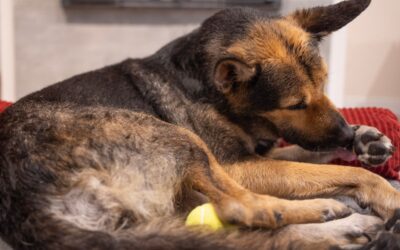
Why Is Your Dog Licking Their Paws Excessively? Common Causes
When you notice your dog licking their paws excessively, it can be a sign that something is bothering their feet or skin. Occasional paw licking is normal, especially after being outside, but frequent licking or chewing can point to itching, irritation, pain, infection, allergies, or stress. Redness, swelling, odor, or hair loss are also signs that your dog may need veterinary attention.
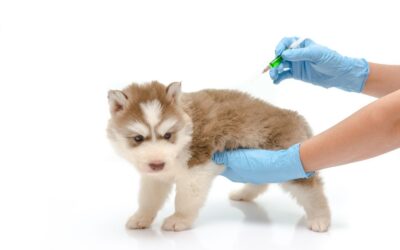
Puppy Vaccination Schedule: A Clear and Safe Guide for New Dog Owners
A puppy vaccination schedule typically starts at 6 to 8 weeks with the DHPP/DAPP series given every 2 to 4 weeks, finishing at 16 weeks or older, alongside rabies and leptospirosis on their own timelines. Lifestyle vaccines like Bordetella, Lyme, and canine influenza may also be recommended based on a puppy’s exposure to other dogs, wooded areas, or group settings.
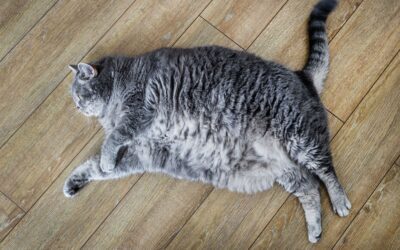
How to Help an Overweight Cat Lose Weight Safely in Ridgefield, CT
Helping an overweight cat lose weight safely means measuring food portions, cutting out unaccounted-for treats, and adding short daily play sessions, all guided by a vet-confirmed goal weight. Weight loss should be gradual, since sudden food restriction can lead to a dangerous liver condition called hepatic lipidosis.

Cat Scratching Ears a Lot: Causes, Signs & When to See a Vet
Frequent ear scratching in cats often points to ear mites, infections, allergies, or trapped debris, and dark coffee-ground-like discharge is a common sign of mites. See a veterinarian if scratching lasts more than a day or two, affects one ear more than the other, or comes with odor, discharge, or head shaking.

How Long Do Dogs Stay in Heat? A Guide for Ridgefield Dog Owners
Female dogs typically stay in heat for two to four weeks, moving through proestrus and estrus before signs fade, though timing varies by dog. Since fertility can continue even after bleeding lightens, dogs should stay separated from male dogs for the entire visible cycle to prevent unplanned pregnancy.

Why Is My Cat Sneezing So Much? Common Causes and Warning Signs
Frequent cat sneezing usually points to an upper respiratory infection, but dust, dental disease, foreign objects, and nasal polyps can also be the cause. See a veterinarian if sneezing continues for more than a few days or comes with nasal discharge, watery eyes, or appetite loss.
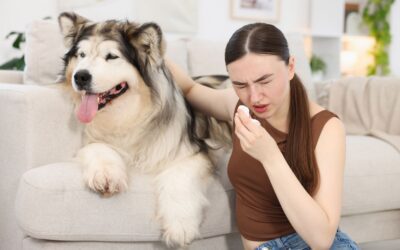
Dog Bad Breath Causes: When Stinky Dog Breath Needs Veterinary Care
Persistent bad breath in dogs can be caused by plaque, tartar, and gum disease, but it may also signal issues such as a broken tooth, kidney disease, liver disease, or diabetes. If your dog’s bad breath lasts more than a day or two, keeps returning, or occurs with changes in appetite, thirst, urination, or signs of mouth pain, a veterinary exam can help identify the underlying cause and guide appropriate treatment.

Dog Anxiety Medication Options: What Pet Owners Should Know
Dog anxiety medication options include daily treatments like fluoxetine and clomipramine for ongoing anxiety and situational medications like trazodone or gabapentin for predictable stressful events such as vet visits or travel. Medication works best paired with behavior modification, and a veterinarian should always guide the choice based on the dog’s health history and the type of anxiety involved.

Back-to-School Separation Anxiety in Dogs: What Pet Owners Should Know
Back-to-school routine changes can trigger separation anxiety in dogs, with signs like repeated barking, pacing, escape attempts, or refusing food differing from normal adjustment behaviors like settling after departure or checking the door once. Gradual practice departures, predictable low-key routines, and exercise before leaving can help most dogs adjust, though severe cases may need veterinary support or a behavior modification plan.