
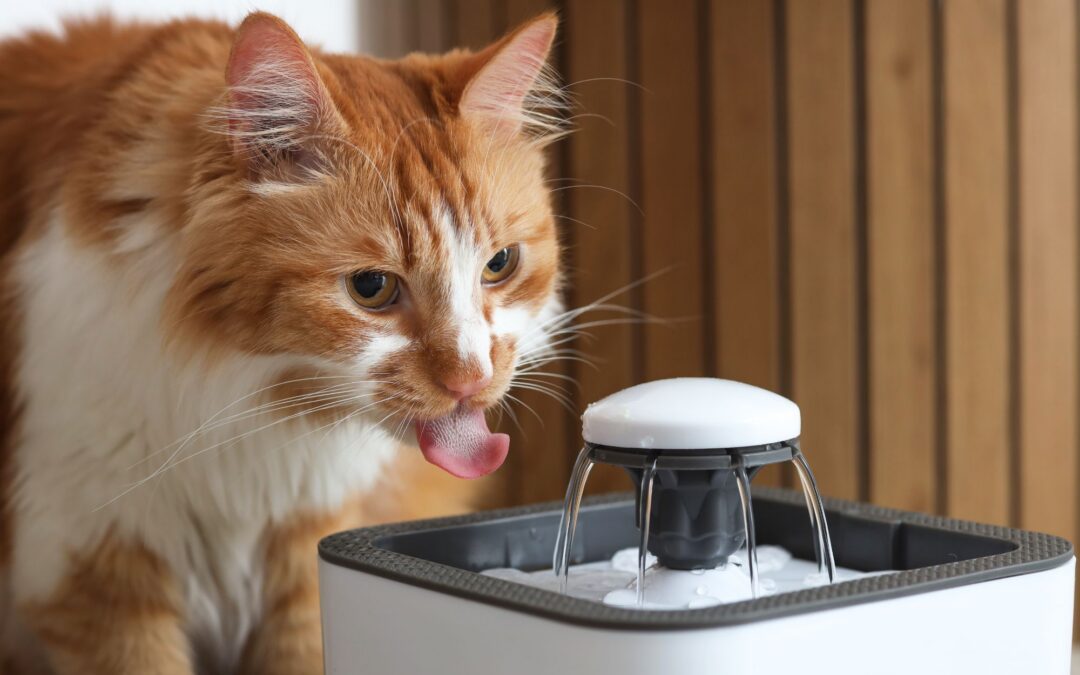
Signs of dehydration in cats include dry or sticky gums, low energy, poor appetite, weakness, sunken eyes, and skin that stays tented after a gentle lift. Cats can become dehydrated after vomiting or diarrhea, or because of underlying conditions such as kidney disease or diabetes. Prompt veterinary care is important if several signs appear together or your cat stops eating, drinking, urinating, or behaving normally.
If you live in Ridgefield, Redding, Danbury, or Wilton, CT, or nearby South Salem or North Salem, NY, this guide explains how to recognize dehydration, check your cat’s hydration at home, understand possible causes, and know when it’s time to seek veterinary care.
What Are the Main Signs of Dehydration in Cats?
Cats often show several signs of dehydration at the same time. Mild dehydration may cause subtle changes in appetite, activity, and litter box habits, while more severe dehydration can affect movement, breathing, and alertness. Because many illnesses can cause similar symptoms, look at the overall pattern rather than relying on any single sign.
| Stage | What you may notice | What to do |
| Early concern | Eating or drinking less, hiding, reduced activity, tacky gums, constipation, or smaller urine clumps. | Offer fresh water, monitor your cat’s food and water intake, and keep track of litter box habits. Contact your veterinarian if the changes continue or worsen. |
| Worsening symptoms | Refusing food or water, sunken eyes, marked tiredness, weakness, or unsteady movement. Repeated vomiting or diarrhea at the same time can quickly worsen dehydration. | Arrange prompt veterinary care. Do not force food or water unless your veterinarian instructs you to do so. |
| Possible emergency | Open-mouth breathing, severe weakness, confusion, collapse, inability to stand, pale, white, blue, or gray gums, or little to no urine with repeated straining. | Go to an emergency veterinary hospital immediately. |
Even if your cat is still drinking water, dehydration can continue to worsen when fluid loss exceeds the amount they take in. As dehydration becomes more severe, it can affect blood circulation and organ function, making prompt treatment increasingly important.
Signs of dehydration may also be harder to recognize in older cats and those with chronic health conditions. Pay close attention to changes in appetite, energy level, and litter box habits, even if they seem mild.
The Cornell University College of Veterinary Medicine also identifies sunken eyes as a possible sign of more severe dehydration. Contact a veterinarian when several symptoms appear together, continue to worsen, or affect your cat’s ability to eat, drink, walk, urinate, or respond normally. Seek emergency care for collapse, breathing difficulty, severe weakness, or inability to urinate.
Which Symptoms Require Emergency Veterinary Care?
Severe weakness, collapse, confusion, open-mouth breathing, repeated vomiting, abnormal gum color, or inability to urinate requires emergency care. These signs may reflect severe dehydration, poor circulation, respiratory distress, urinary obstruction, poisoning, or another medical emergency. Do not wait for every dehydration symptom to appear.
Seek emergency veterinary care if your cat shows any of the following:
- Collapses or cannot stand
- Becomes severely weak or unresponsive
- Pants or breathes with an open mouth
- Cannot keep water down
- Has repeated vomiting or severe diarrhea
- Develops white, blue, gray, or very pale gums
- Appears confused or has a seizure
- Has a painful or swollen abdomen
- Repeatedly strains but produces little to no urine
The combination and progression of symptoms can reveal more than one sign alone. For example, vomiting followed by weakness and pale gums may indicate significant fluid loss or poor circulation, while repeated litter box straining with no urine points more strongly to a urinary blockage. Note when each symptom began and how quickly it changed, as this information can help the emergency team assess the situation.
Reduced Urine Versus a Urinary Blockage
A dehydrated cat may produce smaller or fewer urine clumps. A urinary obstruction can look different: the cat may repeatedly enter the litter box, strain, cry, lick the genital area, or pass only drops. A cat that cannot urinate needs emergency treatment, especially if the cat is male. Urinary obstruction can become life-threatening and should not wait for a routine appointment.
Ridgefield Veterinary Center currently lists weekday hours and closes on weekends. If severe symptoms occur when the office is closed, contact an emergency veterinary hospital rather than waiting for the next business day.
What Is Cat Dehydration?
Cat dehydration is a body-water deficit that develops when fluid losses exceed fluid intake. The imbalance can affect circulation, temperature regulation, digestion, and organ function. It may result from insufficient water intake, reduced food intake, vomiting, diarrhea, increased urination, fever, or an underlying disease.
Every cat loses fluid through normal breathing and urination. Healthy hydration depends on replacing those losses through drinking water and eating food. Cats that eat wet food may drink less from a water bowl because wet food can contain up to 80% water.
A general estimate from Cornell is about four ounces of total water per five pounds of lean body weight each day. However, this includes moisture from food, not just water consumed from a bowl. A cat’s needs can also change with diet, body weight, activity, weather, medication, and health conditions.
Dehydration can become serious when left untreated. It may reduce blood circulation and worsen an existing condition, but it does not automatically cause organ failure in every case. The risk depends on the severity, duration, and underlying cause.
How Can You Check Your Cat for Dehydration at Home?
Pet owners can check gum moisture, gently observe skin elasticity, and monitor behavior, appetite, drinking, and litter box habits. These observations may reveal a problem, but they cannot confirm dehydration or measure its severity. Age, body condition, nausea, and chronic illness can also affect the findings.
Check the Gums
A cat with normal hydration usually has moist, slick gums. Dry or tacky gums may suggest fluid loss. Lift your cat’s lip gently if your cat allows safe handling. Avoid forcing the mouth open or continuing if your cat becomes upset. Gum texture can offer a clue, but dental disease, nausea, breathing patterns, and other health problems may affect what you feel. Gum color also matters. Pale, white, blue, gray, or yellow gums may indicate a problem more serious than simple dehydration.
Understand the Skin-Tent Test
To check skin elasticity, gently lift a small fold of skin over your cat’s shoulder blades and release it. In a well-hydrated cat, the skin usually returns to its normal position quickly. Skin that settles slowly or remains raised may suggest dehydration.
However, this test has important limits. The Merck Veterinary Manual explains that skin and eye findings can be misleading in geriatric, very young, or underweight animals. Older cats may have thinner, less elastic skin even with adequate hydration.
A quick return also does not rule out early or rapid fluid loss. Veterinarians consider the whole cat, including medical history, body weight, gum moisture, circulation, examination findings, and laboratory results.
Monitor Daily Habits
Your cat’s usual routine provides valuable context. Changes in food and water intake may reveal a problem sooner than a skin check.
Watch for:
- Eating less wet food or dry food
- Drinking much more or less than usual
- Vomiting or diarrhea
- Hiding, sleeping more, or showing unusual behavior
- Smaller or fewer urine clumps
- Repeated litter box visits
- Straining, crying, or producing little to no urine
If several changes appear together, contact Ridgefield Veterinary Center. A veterinary examination and diagnostic testing can help identify whether dehydration, pain, kidney disease, diabetes, or another condition is responsible.
What Causes Dehydration in Cats?
Dehydration occurs when a cat cannot replace the water its body loses. The problem may begin with reduced intake, increased fluid loss, or a combination of both. Vomiting and diarrhea can cause sudden dehydration, while kidney disease, diabetes, hyperthyroidism, pain, and some medications may create a slower, ongoing imbalance.
A cat’s daily behavior can provide clues about what is disrupting fluid balance. Changes in appetite, thirst, urine volume, body weight, and access to water may help distinguish reduced intake from excessive loss.
| Cause | How it disrupts hydration | What you may notice |
| Poor appetite or reduced drinking | The cat takes in less water from food and drinking | Food left behind, fewer visits to the bowl, hiding, or low energy |
| Vomiting or diarrhea | The digestive tract loses water and electrolytes | Repeated vomiting, loose stool, weakness, or inability to keep water down |
| Kidney disease | The kidneys lose the ability to conserve water effectively | Increased thirst, larger urine clumps, weight loss, or poor appetite |
| Diabetes | Excess glucose draws more water into the urine | Frequent drinking and urination despite weight loss or increased appetite |
| Hyperthyroidism | Metabolic changes may increase thirst and urine production | Weight loss, restlessness, increased appetite, vomiting, or diarrhea |
| Fever or heat exposure | The body’s fluid needs rise as it tries to control temperature | Lethargy, weakness, rapid breathing, or panting |
| Dental or mouth pain | Eating and drinking become uncomfortable | Drooling, chewing on one side, dropping food, or avoiding bowls |
| Mobility problems | Arthritis, weakness, or injury makes water difficult to reach | Hesitation near stairs, fewer bowl visits, or drinking only when water is nearby |
| Water-source problems | Dirty bowls, poor placement, or competition discourages drinking | Avoiding shared bowls or drinking only from faucets and other sources |
| Certain medications | Diuretics and some treatments increase urine production | More frequent urination, thirst, or larger litter box clumps |
Drinking more does not always protect a cat from dehydration. A senior cat with kidney disease, for example, may visit the water bowl often but lose water even faster through large amounts of dilute urine. A rise in both thirst and urine output can therefore signal an underlying condition rather than healthy hydration.
Some medications, including diuretics used for heart disease, may increase fluid loss as part of their intended effect. Track changes in drinking and urination, but never reduce or stop a prescribed medication without instructions from the veterinarian managing your cat’s treatment.
What Should You Do if Your Cat Seems Dehydrated?
If your cat seems dehydrated, call a veterinarian, offer fresh water, and allow the cat to eat its usual wet food if interested. Do not force food or water into the mouth. Vomiting, diarrhea, poor appetite, weakness, or worsening symptoms require prompt veterinary evaluation.
Use these steps while arranging care:
- Call your veterinarian and describe every symptom you have noticed.
- Offer fresh water in a clean, easy-to-reach bowl.
- Offer your cat’s normal wet food if the cat wants to eat.
- Record food intake, drinking, vomiting, diarrhea, and urine output.
- Note any medication, toxin exposure, heat exposure, or recent diet change.
- Seek emergency care if your cat develops severe weakness, collapse, breathing trouble, or difficulty urinating.
Some cats may drink water flavored with a small amount of tuna water or low-sodium chicken broth. Use only onion- and garlic-free products, and ask your veterinarian first if your cat has heart, kidney, urinary, or dietary restrictions. Flavored water is not a substitute for veterinary fluid therapy.
Do not force water through a syringe or dropper unless a veterinarian has specifically shown you a safe technique for your cat. A struggling cat may inhale fluid into the lungs. Do not give human sports drinks or electrolyte products unless your veterinarian recommends a specific product and amount.
How Do Veterinarians Diagnose and Treat Dehydration?
Veterinarians diagnose dehydration by reviewing recent fluid loss and examining the whole patient. They may check body weight, gum moisture, skin elasticity, eye position, pulse quality, circulation, and mental alertness. Blood tests, urinalysis, imaging, or other diagnostics may help identify the underlying cause.
What Happens During the Physical Exam?
The veterinarian will ask when your cat last ate, drank, urinated, vomited, or defecated. Details about medications, chronic health conditions, recent heat exposure, and unusual behavior can help guide the examination.
Advanced diagnostic tools do more than confirm fluid loss. Blood and urine testing may reveal kidney disease, diabetes, electrolyte changes, infection, or another condition. Imaging may help when the veterinarian suspects urinary disease, obstruction, organ changes, or a gastrointestinal problem.
How Fluid Treatment Works
Treatment depends on the severity of dehydration and the cat’s overall condition. Veterinarians also monitor heart and kidney function because excessive fluid administration can cause harm.
| Treatment approach | When it may be appropriate |
| Voluntary food and water intake | Stable cats that can safely eat and drink |
| Fluids under the skin | Some mild or ongoing hydration needs |
| Intravenous fluid therapy | Severe dehydration, poor circulation, or hospitalization |
| Medication and disease treatment | Vomiting, pain, diabetes, kidney disease, infection, or another cause |
Veterinarians may administer subcutaneous fluids under the skin for some stable cats with mild dehydration. Severe dehydration or poor circulation may require hospitalization and IV fluid therapy. The 2024 AAHA Fluid Therapy Guidelines stress that fluid type, route, amount, and monitoring must match each patient rather than follow one standard rate.
Some owners learn to give prescribed subcutaneous fluids to cats with chronic kidney disease. Only do this after a veterinarian evaluates your cat, prescribes the plan, and teaches you the correct technique.
How Can You Help Prevent Dehydration in Cats?
You can help prevent dehydration by providing multiple clean water sources, monitoring food and water intake, and responding early to illness. Wet food may increase total water intake, while clean bowls or a cat water fountain may encourage drinking. Cats with chronic disease need an individual hydration plan.
Start with simple changes that fit your cat’s preferences and daily routine. Many cats prefer wide, shallow bowls, while others show more interest in running water. A fountain may encourage some cats to drink, but small controlled studies have not shown that fountains reliably increase water intake for every cat. Use your cat’s observed preference rather than assuming running water is always better.
Place water away from litter boxes and busy walkways. Clean each water bowl regularly, replace the water every day, and consider placing bowls in more than one room.
Hydration in Multi-Cat Homes
Cats in the same home may not feel comfortable sharing one water station. One cat may guard a bowl, block a hallway, or make another cat wait until the area feels safe. Provide multiple clean water sources in separate, quiet locations.
In a Ridgefield home with several cats, for example, one cat may prefer an upstairs bowl while another drinks only in the kitchen. A sudden change in either cat’s drinking pattern can be more useful than comparing the two cats.
Food and Long-Term Health
Wet food can add meaningful moisture to a cat’s diet, but it does not automatically prevent dehydration. Cats that eat dry kibble usually need to drink more from their bowls, while cats that eat wet food may drink less because their food supplies part of their water intake. Ask your veterinarian before changing food, especially if your cat has kidney disease, diabetes, urinary disease, food allergies, or weight concerns.
Prevention works best when you know what is normal for your cat. These everyday observations provide a useful baseline and make it easier to recognize early signs of dehydration or illness before your cat’s condition becomes more serious.
Conclusion
Home hydration strategies work best as prevention, not as a substitute for treatment once a cat becomes ill. Wet food, fresh water, and fountains cannot correct ongoing fluid loss caused by kidney disease, diabetes, vomiting, or diarrhea. Veterinary care can determine whether a cat needs fluid therapy, medication, diagnostic testing, or continued monitoring. The sooner the underlying problem is identified, the sooner your cat can receive care suited to its condition. This approach protects more than hydration alone by supporting your cat’s long-term health and comfort.
At Ridgefield Veterinary Center, we have cared for local pets since 1955. We serve families in Ridgefield, Redding, Danbury, Wilton, South Salem, and North Salem. If you are concerned about possible dehydration, contact us to arrange an examination for your cat.
FAQs
How do you rehydrate a cat?
Offer fresh water and your cat’s normal wet food if your cat remains alert and wants to eat or drink. Never force water, chicken broth, or tuna juice into the mouth because the liquid could enter the lungs. A veterinarian may provide fluids under the skin or through an IV based on the severity and underlying cause.
How much water should a cat drink each day?
A general estimate is about four ounces of total water per five pounds of lean body weight each day. This amount includes moisture from food, so cats that eat wet food may drink less from their bowls than cats that eat dry food. Health, activity, temperature, and medication can also affect individual needs.
Can a cat be dehydrated even if it drinks water?
Yes. Kidney disease, diabetes, hyperthyroidism, vomiting, diarrhea, and some medications can make a cat lose water faster than drinking can replace it. Increased thirst with weight loss, weakness, or larger urine clumps may point to an underlying condition that needs evaluation.
How long does it take a cat to recover from dehydration?
Recovery depends on the amount of fluid lost and the condition causing it. Some cats improve after prompt fluid treatment, while cats with severe dehydration or ongoing illness may need hospitalization and continued monitoring. Eating, drinking, energy, urine output, and test results help the veterinary team assess recovery.
When should I call a veterinarian about cat dehydration?
Arrange veterinary care when your cat stops eating or drinking, repeatedly vomits, develops diarrhea, or shows several dehydration symptoms together. Collapse, open-mouth breathing, severe weakness, abnormal gum color, and inability to urinate require emergency care. If you are concerned about your cat’s hydration in Ridgefield, CT, contact Ridgefield Veterinary Center for guidance.