
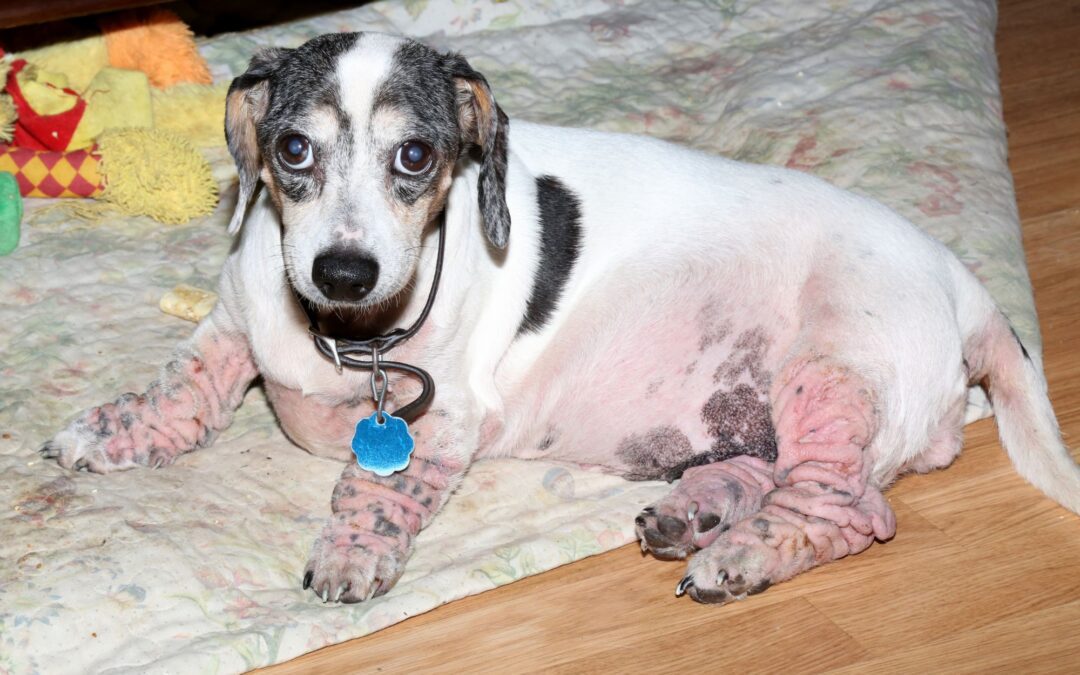
Dog skin allergy home remedies may help relieve mild itching. Safe options include oatmeal baths, gentle paw cleaning, clean bedding, and consistent flea prevention. However, these remedies cannot treat the underlying cause of every itchy dog. Allergies, fleas, infections, mites, and other skin conditions often require a veterinary diagnosis.
Home care may be appropriate when symptoms are mild and the skin is intact. Not all itching can be treated at home, especially if your dog develops hair loss, ear infections, skin odor, discharge, or sores, or continues scratching despite home care. If these symptoms occur, schedule a dermatology appointment with Ridgefield Veterinary Center in Ridgefield, CT.
When Is It Safe to Use Home Remedies for Dog Skin Allergies?
The low-risk home-care measures in this article may be appropriate when your dog has mild itching but is otherwise acting normally. Before deciding to treat the problem at home, take a close look at your dog’s skin to make sure the irritation is truly mild.
Check the affected area under good light before applying any home remedy. Look between the toes, under the belly, around the tail base, and near the ears. A small patch of dry or mildly irritated skin is very different from a moist hot spot, an infected wound, or widespread inflammation.
Temporary home care may be appropriate if:
- The itching is mild and affects only a small area.
- Your dog is otherwise eating, sleeping, playing, and behaving normally.
- The skin is dry or slightly red, with no open sores, discharge, swelling, or foul odor.
- The irritation started recently and is not getting worse.
- You know or suspect a temporary trigger, such as grass, pollen, or a new shampoo.
- The itching improves within a day or two instead of spreading or becoming more frequent.
While they may provide temporary relief for mild irritation, they do not address the underlying cause of your dog’s itching. If the symptoms keep coming back, spread to other areas, or fail to improve, it is important to find out what’s triggering the problem.
Why Do Dogs Develop Itchy Skin?
Dogs develop itchy skin for many reasons, including allergies, fleas, mites, infections, dry skin, and contact with irritating products. Because these conditions often produce similar signs, scratching alone isn’t enough to determine the cause.
The Merck Veterinary Manual explains that allergy testing is not the first step in diagnosing atopic dermatitis. Instead, veterinarians diagnose the condition through a clinical evaluation and by ruling out other causes of itching. Allergy testing is used afterward to identify allergens that may be addressed with immunotherapy.
Once the underlying cause has been identified, treatment becomes much more effective. While many conditions can make dogs itch, a few causes account for most cases seen in veterinary practice. Understanding how these conditions differ can help you recognize patterns in your dog’s symptoms and know when veterinary care is needed.
Environmental Allergies
In Ridgefield and throughout Fairfield County, environmental allergies often become more noticeable during the spring and fall, when tree pollen, grasses, weeds, and mold spores are more active. Some dogs may also react to indoor allergens like dust mites throughout the year.
Environmental allergies commonly affect the paws, face, ears, belly, armpits, and skin between the toes. You may notice excessive paw licking, face rubbing, recurring ear infections, or redness on the belly. If the itching continues, constant licking and scratching can damage the skin barrier and increase the risk of bacterial or yeast infections.
Flea Allergies
Flea allergy dermatitis occurs when a dog has an allergic reaction to proteins in flea saliva. Even a single flea bite can trigger intense itching in sensitive dogs, so you may not see live fleas on your pet. The itching usually starts around the lower back, tail base, and rear thighs. As scratching continues, the skin can become inflamed, develop scabs, or lose patches of hair.
According to the Merck Veterinary Manual, long-term flea allergy control requires treating the affected dog, other household pets, and the home environment. Because fleas can be difficult to detect in sensitive dogs, consistent flea prevention is especially important for dogs in Ridgefield and nearby communities.
Food Allergies
Dogs with food allergies often have persistent itching that doesn’t come and go with the seasons. Recurring ear infections, skin irritation, vomiting, or diarrhea may also develop, and some dogs experience repeated bacterial or yeast skin infections.
Many owners assume switching to a different dog food for a few days will solve the problem, but food allergies are more difficult to confirm. Veterinarians typically recommend a strict elimination diet followed by a controlled food challenge to identify the ingredient causing the reaction. Other tests, such as blood, saliva, or skin testing, are not considered reliable for diagnosing food allergies.
Infections and Other Skin Problems
Not every case of itchy skin is caused by allergies. Bacterial and yeast infections, mites, hormonal disorders, contact with irritating products, and other skin conditions can all make dogs scratch, lick, or chew at their skin. Many of these problems share similar symptoms. That makes them difficult to tell apart without a veterinary examination.
Bacteria and yeast often take advantage of skin that has already been damaged by constant scratching or licking. As the infection develops, you may notice redness, an unpleasant odor, discharge, crusts, hot spots, or patches of hair loss. Without proper treatment, the infection can worsen and make your dog’s itching more severe.
Use this comparison to decide what to do next.
| Symptom Pattern | Possible Cause | What You Can Do |
| Mild itching after outdoor activity | Environmental irritation | After outdoor activity, wipe your dog’s paws and coat to remove pollen, grass, and other allergens. Monitor the itching over the next day or two. |
| Itching around the tail base | Fleas or flea allergy | Check your dog for fleas or flea dirt and make sure their flea prevention is current. Contact your veterinarian if the itching continues. |
| Recurring ear redness or head shaking | Allergy or ear infection | Avoid cleaning the ears with home remedies unless instructed by your veterinarian. Schedule an examination to determine the cause. |
| Greasy skin, odor, or discharge | Bacterial or yeast infection | Arrange a veterinary visit promptly. These infections usually require treatment and may indicate an underlying skin problem. |
| Sudden facial swelling or hives | Acute allergic reaction | Seek emergency veterinary care immediately, especially if your dog has trouble breathing, vomits repeatedly, or collapses. |
Which Dog Skin Allergies Home Remedies May Provide Relief?
The safest home remedies are those that reduce allergen exposure while protecting your dog’s skin. Simple steps such as wiping the paws after walks, bathing with a dog-safe oatmeal shampoo, washing bedding regularly, grooming, and staying current on flea prevention may help relieve mild itching. Some dogs may also benefit from omega-3 fatty acid supplements with veterinary guidance.
Start with one remedy at a time and monitor your dog’s skin over the next few days before introducing anything new. This makes it easier to tell whether the remedy is helping or whether the itching is getting worse.
Use a Dog-Safe Oatmeal Bath
An oatmeal bath can calm irritated skin and reduce mild itching. Colloidal oatmeal contains compounds with soothing and anti-inflammatory properties. Choose a fragrance-free product made for dogs rather than a human shampoo.
Follow these steps:
- Check for wounds, swelling, discharge, or severe inflammation.
- Fill the bath with cool or warm water, never hot water.
- Apply the dog-safe oatmeal product according to its label.
- Keep the product away from the eyes and inner ears.
- Let your dog soak for the stated contact time.
- Rinse thoroughly and pat the coat dry.
You can make a basic rinse by grinding plain oatmeal into a fine powder and mixing it into lukewarm water. However, a dog-specific product offers clearer instructions and consistent ingredients. Do not assume that frequent bathing will help most dogs because excessive bathing can cause dry skin.
Wipe Your Dog’s Paws and Coat
After outdoor walks or play, wipe your dog’s paws, legs, belly, and other areas exposed to grass or dirt with a clean, damp cloth or a fragrance-free pet wipe. Be sure to dry the paws well, including between the toes. This simple step may help reduce pollen and other allergens during Connecticut’s peak allergy seasons for dogs in Ridgefield and nearby communities.
Clean Bedding and Resting Areas
Wash beds and blankets regularly with a mild, fragrance-free detergent and rinse them well. Vacuum the areas where your dog sleeps and clean washable toys. Regular grooming can also remove allergens trapped in the fur. These steps support healthy skin but cannot cure dog allergies or treat an infection.
Keep Flea Prevention Current
Flea prevention reduces the risk of flea allergy flare-ups. Give each dose on schedule and use a product selected for your dog’s species, age, size, and health. Do not use a cat product on a dog or a dog product on a cat. Avoid combining parasite products unless your veterinarian directs you to do so. If your dog has severe itching despite regular prevention, an examination can check for fleas, mites, and other causes.
Ask About Omega-3 Fatty Acids
Omega-3 fatty acids from fish oil or salmon oil may support the skin barrier and help reduce inflammation over time. Their anti-inflammatory effects can support skin health and coat health when used with proper treatment.
Supplement strength varies by brand, and too much fish oil may cause digestive problems or add unnecessary calories. Avoid estimating the dose from a human supplement label, as your dog may need a different amount. Essential fatty acids may be used alongside other treatments for canine atopic dermatitis, but your veterinarian can help determine whether they are appropriate for your pet.
Cornell University includes essential fatty acids for canine atopic dermatitis among the options veterinarians may use alongside other treatments. This highlights that supplements can be a helpful addition to a larger allergy management plan, but they should be chosen and used with veterinary guidance.
Which Home Remedies for Itchy Dogs Should You Avoid?
Avoid undiluted apple cider vinegar, essential oils, fresh aloe vera gel, human shampoo, and human anti-itch creams. These products may sting inflamed skin, trigger more irritation, or cause health problems when licked. Natural remedies still require evidence, correct preparation, and veterinary guidance.
Do not apply household products to open, wet, painful, or infected skin. A remedy that hides redness for a short time can delay effective treatment for fleas, mites, bacteria, or yeast.
Apple Cider Vinegar
Apple cider vinegar is not recommended for treating dog skin allergies. There is no strong veterinary evidence that it relieves allergic itching or treats skin infections, and it can sting or further irritate inflamed or broken skin. Never apply it to open sores or use it around your dog’s eyes, ears, or mouth.
Coconut Oil
Coconut oil is not a proven treatment for dog skin allergies. While it may temporarily soften a small patch of dry skin, it does not relieve seasonal, environmental, flea, food, or mite allergies, skin infections, or environmental allergens. It can also leave the coat greasy, trap dirt and debris against your dog’s irritated skin, and encourage licking, which may cause digestive upset. Ask your veterinarian before applying coconut oil, especially if your dog has sensitive skin or follows a restricted or low-fat diet.
Aloe Vera Gel
Do not apply fresh aloe or non-veterinary aloe products to your dog’s skin. The ASPCA lists the aloe plant as toxic to dogs because compounds in the plant’s latex can cause vomiting, lethargy, diarrhea, or other signs after ingestion. Because products vary and dogs may lick the treated area, use only a veterinarian-approved, pet-safe product.
Green Tea, Chamomile, and Other Herbal Products
Online advice may recommend green tea, tea bags, or herbal tea soaks with chamomile to soothe irritated skin. These products can vary in strength, and some dogs may develop further skin irritation. Letting herbal tea cool completely does not prove that it is safe for your dog.
Probiotics also receive attention for possible effects on gut and immune health, but research into their role in canine allergic skin disease is still developing. Probiotics do not replace a veterinary examination, appropriate diagnostic testing, or treatment for a bacterial, yeast, or parasitic skin condition.
Human Products and Essential Oils
Human anti-itch creams, shampoos, and essential oils are not safe substitutes for veterinary skin products. Many human creams contain ingredients such as steroids, anesthetics, or zinc that can be harmful if dogs lick and swallow them. Human shampoos are formulated for people and can disrupt a dog’s skin barrier, worsening irritation instead of relieving it.
Essential oils can also be harmful through skin exposure or ingestion. According to the ASPCA Animal Poison Control Center, essential oils applied to a pet’s coat may cause illness. Choose a veterinarian-recommended or dog-safe hypoallergenic shampoo instead of human or strongly scented products.
When Should You See a Veterinarian for Dog Itching?
Home remedies should only be used for mild, short-term itching. If your dog’s symptoms persist, become more severe, or are accompanied by other skin changes, it’s time to seek veterinary care.
Schedule a Veterinary Appointment If Your Dog Has:
- Constant or increasing scratching
- Repeated licking or chewing of itchy paws
- Hair loss or bald areas
- Red, darkened, or thickened skin
- Hot spots or moist sores
- Strong skin odor or discharge
- Recurring ear infections
- Symptoms that return during the same season
- Itching that does not improve with basic home care
As a pet parent, you know your dog better than anyone. If the itching persists despite home care or new symptoms develop, schedule a dermatology appointment with Ridgefield Veterinary Center.
When to Seek Emergency Veterinary Care
A severe allergic reaction can become life-threatening within minutes. If your dog develops facial swelling, difficulty breathing, collapse, or other signs of an emergency, skip home remedies and seek immediate veterinary care.
Seek Immediate Care If Your Dog Has:
- Swelling around the eyes, face, muzzle, or throat
- Difficult, noisy, or rapid breathing
- Collapse or inability to stand
- Pale or blue gums
- Widespread hives
- Repeated vomiting with facial swelling
- Rapidly worsening skin damage
Ridgefield Veterinary Center is open Monday through Friday. If your dog develops any of these emergency signs outside business hours, contact the nearest emergency veterinary hospital immediately. We also offer dermatology appointments, diagnostic testing, and pet allergy testing to identify the cause of persistent itching and create a treatment plan tailored to your dog’s needs.
How Does a Veterinarian Diagnose Dog Skin Allergies?
A veterinarian diagnoses dog skin allergies by identifying the underlying cause of your dog’s itching. This begins with a physical examination and may include skin cytology, skin scrapings, ear swabs, bloodwork, food trials, or environmental allergy testing, depending on your dog’s symptoms.
Why Allergy Testing May Not Be the First Step
Allergy testing is not the first step for every itchy dog. Veterinarians usually rule out common causes such as fleas, mites, bacterial infections, and yeast before recommending allergy testing. If a food allergy is suspected, a controlled elimination diet is often more reliable than blood or saliva testing.
Conclusion
The best treatment for your dog’s itchy skin depends on what’s causing it. A proper diagnosis helps your veterinarian determine whether seasonal allergies, environmental triggers, parasites, or another skin condition is responsible, so your dog receives the most appropriate medical treatment instead of relying on home remedies that may provide only temporary relief.
Connecticut’s seasonal allergens can leave dogs in Ridgefield scratching, licking, and feeling uncomfortable. If your dog’s itching persists, the team at Ridgefield Veterinary Center can identify the underlying cause and recommend the most effective treatment. Contact us to schedule an appointment with the local veterinary team.
FAQs
What Human Medicine Can I Give My Dog for Skin Allergies?
Do not give your dog human medicine unless a veterinarian approves the product and dose. Antihistamines such as diphenhydramine or cetirizine may help mild allergy symptoms in some dogs, but they often provide little relief once intense itching begins. Some human products contain decongestants or pain relievers that are unsafe for dogs.
What Is the Best Natural Antihistamine for Dogs?
No natural antihistamine has enough reliable evidence to qualify as the best treatment for dog allergies. An oatmeal bath, allergen removal, and veterinarian-approved omega-3 fatty acids may support skin health, but they do not work like prescription allergy medication. Herbal remedies and essential oils may cause side effects, so ask your veterinarian before using them.
What Can I Give My Dog for Allergies Without Going to the Vet?
Do not give oral medicine or supplements without veterinary guidance. For mild itching, you can clean the paws, use a dog-safe oatmeal product, wash bedding, and maintain flea prevention. These steps may offer short-term relief but cannot treat mites, skin infection, or chronic allergies.
What Stops Itching Fast for Dogs?
The fastest relief depends on the cause. A cool rinse or oatmeal bath may soothe mild skin irritation, while severe itching often requires prescription medication. Fleas, yeast, bacteria, mites, and allergies need different treatments, so persistent or intense itching requires an examination.
Why Is My Dog Itching if There Are No Fleas?
Environmental allergies, food allergies, mites, dry skin, contact irritation, and bacterial or yeast infections can cause itching without visible fleas. Fleas may also remain difficult to find when only a few are present. The affected area may provide clues, but only an examination can identify the likely cause.
How Often Should I Bathe a Dog With Skin Allergies?
Bathing frequency depends on the diagnosis, coat, shampoo, and treatment plan. Some itchy dogs benefit from regular baths with a veterinarian-recommended hypoallergenic shampoo, while excessive bathing may dry the skin. Follow the label and your veterinarian’s instructions, and stop if bathing makes the redness or itching worse.