
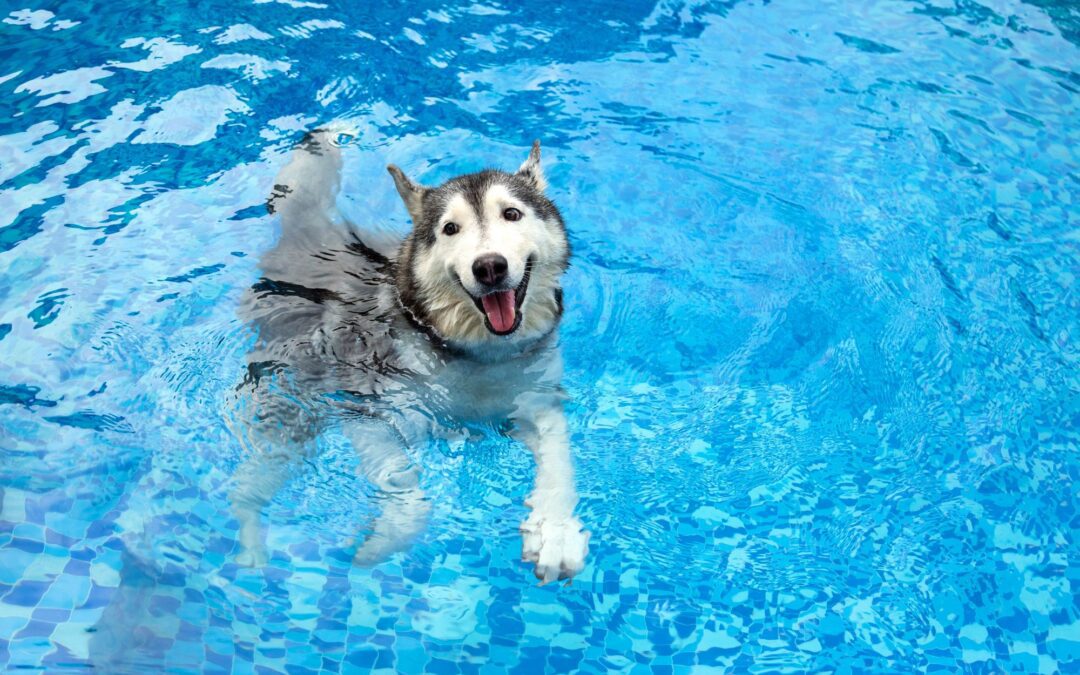
Dogs can drown, develop water intoxication, become sick from blue-green algae, or experience breathing complications after swimming. The best way to reduce these risks is to supervise every swim, use a properly fitted life jacket when appropriate, check local water conditions, and contact a veterinarian immediately if your dog develops coughing, weakness, vomiting, tremors, or changes in breathing.
For dog owners in Ridgefield and nearby communities, water safety is especially important during the warmer months when pets spend more time around pools, ponds, and lakes. Senior dogs, brachycephalic breeds, and dogs with heart, respiratory, or recent surgical concerns may require activity limits, flotation support, or closer supervision. A pre-summer wellness exam can help determine whether your dog is ready for swimming and what precautions are most appropriate.
Why Is Water Safety Important for Dogs?
Every summer, veterinary emergency hospitals treat dogs for near-drowning incidents, water intoxication, and toxic algae exposure. Many of these emergencies occur during otherwise routine swimming outings, which is why supervision and preparation are essential.
A common misconception is that all dogs are natural swimmers. While some breeds excel in water, others struggle due to body shape, age, health conditions, or lack of experience. Even strong swimmers can become tired, disoriented, or trapped if conditions change unexpectedly.
Common water hazards include:
- Drowning and near-drowning incidents
- Fatigue and exhaustion
- Strong or rip currents
- Blue-green algae exposure
- Ear infections
- Water intoxication
Supervision remains one of the most effective ways to prevent accidents. Even dogs that love swimming should never be left alone near water.
Can All Dogs Swim?
Not all dogs can swim naturally. Breed characteristics, age, health conditions, and confidence levels all play a role in determining how safely a dog can navigate the water. Some dogs have physical traits that make swimming difficult. Breeds with short legs, heavy bodies, or a short snout often struggle more than breeds developed for water retrieval and swimming.
The following breeds often require closer supervision around water:
| Usually Strong Swimmers | Often Need Assistance |
| Labrador Retrievers | Bulldogs |
| Golden Retrievers | Pugs |
| Portuguese Water Dogs | Dachshunds |
| Chesapeake Bay Retrievers | Basset Hounds |
Senior dogs may also face challenges because arthritis, reduced stamina, and mobility issues can make dog swimming more difficult. Puppies often lack the experience and strength needed to navigate deep water safely.
Signs Your Dog Is Uncomfortable in the Water
Watch for:
- Excessive or frantic paddling
- Difficulty keeping the head above water
- Rapid fatigue or heavy breathing
- Reluctance to enter the water
If your dog shows any of these signs, move them to safety and allow them to rest.
How to Keep Your Dog Safe Around Pools
Pool safety starts with preparation. Teaching your dog how to enter and exit the pool, supervising all swimming sessions, and using safety equipment can dramatically reduce risk. Backyard pools are common gathering spots during summer. While they provide great exercise and fun, they can also create dangerous situations if pets become confused about how to get out.
Teach Your Dog How to Exit the Pool
Many dogs can jump into a pool but struggle to find the exit. Spend time showing your dog where the steps are and practice exiting repeatedly. Guide your dog to the pool stairs several times until they can locate them independently. This simple training exercise can prevent panic during an emergency.
Install Pool Barriers
A fence remains one of the most effective pool safety measures for both children and pets. Pool fencing helps prevent unsupervised access and reduces accidental falls into the water.
Additional safety features may include:
- Self-closing gates
- Pool covers
- Pool alarms
- Pet ramps
Use a Dog Life Jacket
A dog life jacket is one of the most valuable safety tools available. Even natural swimmers benefit from additional flotation during long swimming sessions, boating trips, or rough water conditions.
Look for a dog life jacket that includes:
- Bright colors for visibility
- Adjustable straps
- Durable flotation panels
- A sturdy rescue handle
If your dog spends time on a boat, near deep water, or around strong currents, a life vest should be considered essential equipment. If your dog has mobility issues, breathing problems, or other health concerns, schedule an evaluation with Ridgefield Veterinary Center before introducing new water activities.
Pool Water vs. Lake Water vs. Beach Water
Different water environments present different risks. Understanding these differences helps pet parents make safer decisions when planning water adventures. While many people assume pools are the safest option, every environment has potential hazards.
| Water Source | Common Risks | Safety Recommendations |
| Pool | Chlorine, pool chemicals, slippery surfaces | Supervise and provide fresh drinking water |
| Lake | Bacteria, parasites, and algal blooms | Check water conditions before swimming |
| Pond | Stagnant water, toxins | Avoid questionable water sources |
| Beach | Salt water, currents, waves | Use life jackets and monitor closely |
Is Pool Water Safe for Dogs?
Small amounts of pool water usually do not cause serious harm. However, excessive consumption can upset your dog’s stomach. Dogs should always have access to fresh water while swimming. This reduces the likelihood that they will drink chlorinated water during play.
Lake and Pond Safety Concerns
Natural bodies of water may contain harmful bacteria, parasites, or toxic algae. Before allowing your dog to swim, look for warning signs and avoid water that appears discolored, foamy, or covered with green scum.
Salt Water Risks
Ocean water can be dangerous when dogs consume large quantities. Excessive salt intake may lead to dehydration, vomiting, diarrhea, and more serious complications. Providing fresh drinking water throughout beach outings helps discourage dogs from drinking ocean water.
Understanding Blue-Green Algae Risks
At Ridgefield Veterinary Center, blue-green algae exposure is one of the summer water hazards we discuss most often with pet owners. Dogs exposed to contaminated ponds may develop vomiting, weakness, tremors, or breathing difficulties within hours, making immediate veterinary evaluation critical.
Symptoms of Blue-Green Algae Exposure
Signs may include:
- Vomiting
- Diarrhea
- Weakness
- Excessive drooling
- Difficulty breathing
- Tremors
- Seizures
- Collapse
Symptoms can develop quickly and require immediate veterinary attention.
Ridgefield-area dog owners should be especially cautious with warm, still ponds and lakes in summer. If the water looks like green paint, pea soup, or has floating mats or posted algae warnings, keep your dog out completely. Dogs can be exposed by drinking the water, swimming through it, or licking contaminated water from their coat afterward.
Signs of Drowning and Near-Drowning in Dogs
A dog that survives a water incident may still face serious complications afterward. Near-drowning events can affect the lungs and respiratory system, even if symptoms are not immediately visible. Some dogs appear normal after leaving the water but develop problems several hours later.
Emergency Warning Signs
Contact a veterinarian immediately if you notice:
- Persistent coughing
- Difficulty breathing
- Excessive fatigue
- Weakness
- Pale gums
- Vomiting
- Loss of coordination
- Unusual behavior changes
What To Do Before Reaching a Veterinarian
If your dog experiences a water emergency:
- Remove them from the water safely.
- Keep them warm and calm.
- Monitor breathing closely.
- Contact a veterinarian immediately.
- Seek emergency care if symptoms worsen.
Any breathing changes after swimming warrant professional evaluation. Contact Ridgefield Veterinary Center if you notice concerning symptoms.
A Pre-Swim and Post-Swim Safety Checklist
Preparation helps reduce risks and makes water activities more enjoyable for everyone involved. Before heading to the pool, lake, or beach, take a few minutes to assess conditions and gather the necessary supplies.
Pre-Swim Checklist
Before swimming:
- Bring fresh water
- Pack a dog life jacket
- Check water temperature
- Review local water conditions
- Avoid extreme heat
- Locate a safe exit point
- Verify swimming areas are pet safe
Post-Swim Checklist
After swimming:
- Rinse your dog’s skin and coat
- Dry your dog’s ears thoroughly
- Inspect your dog’s paws
- Check for cuts or irritation
- Monitor for unusual symptoms
- Provide drinking water and rest
Rinsing removes chlorine, sand, salt, and other irritants that can contribute to skin issues and ear infections.
Conclusion
Swimming offers excellent exercise, mental stimulation, and enrichment for many dogs. However, safe water activities require preparation, supervision, and awareness of potential hazards. Not all dogs are strong swimmers, and every environment presents unique risks. Whether you spend time around a backyard pool, a Connecticut lake, or the beach, taking preventive steps can help keep your dog safe while still allowing them to enjoy the fun.
At Ridgefield Veterinary Center, we help dogs in Ridgefield, Danbury, Wilton, Redding, and nearby communities stay healthy and ready for summer water activities. Contact us to schedule a wellness visit. A proactive health assessment can identify concerns before they become emergencies and help your dog enjoy the season safely.
FAQs
Can all dogs swim naturally?
No. While many dogs instinctively paddle, not all dogs can swim effectively. Certain breeds, puppies, senior dogs, and dogs with health conditions may require additional supervision and a dog life jacket when spending time around water.
Should my dog wear a life jacket?
Yes, especially when boating, swimming in deep water, or visiting areas with strong currents. A properly fitted dog life jacket improves flotation and visibility while making rescue easier if your dog becomes tired.
Is pool water dangerous for dogs?
Small amounts of pool water typically cause only minor digestive upset. However, dogs should not regularly drink pool water because pool chemicals and chlorine can irritate the digestive system. Providing fresh drinking water helps reduce this risk.
What are the signs of near-drowning in dogs?
Common signs include coughing, breathing difficulties, weakness, fatigue, and behavior changes. Some symptoms may not appear until several hours after the incident, which is why monitoring remains important after any water emergency.
Is blue-green algae toxic to dogs?
Yes. Blue-green algae can produce toxins that cause severe illness and may become life-threatening. If your dog swims in or drinks contaminated water, seek veterinary care immediately.
How can I make swimming safer for my dog?
Start by supervising every swimming session, using a life jacket when appropriate, providing fresh water, and checking water conditions before entering. Teaching your dog how to exit the water safely can also help prevent accidents and reduce panic.