
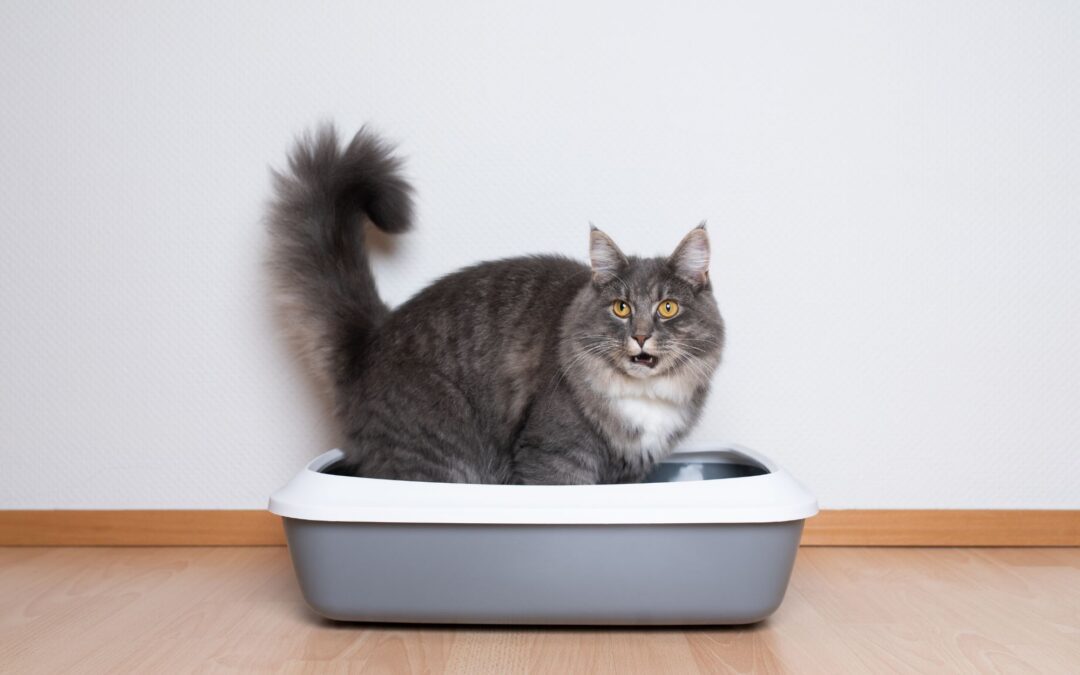
Cat urinary tract infection symptoms may include frequent trips to the litter box, straining to urinate, passing only small amounts of urine, blood in the urine, crying during urination, and excessive licking of the genital area. Although these signs may be caused by a urinary tract infection (UTI), they can also occur with other urinary conditions, so a veterinary examination is needed to determine the underlying cause.
Some urinary problems can become serious if left untreated. This guide explains the common symptoms to watch for, when emergency care is needed, how veterinarians identify the cause, and the treatment options that may be recommended. If your cat is unable to pass urine, seek emergency veterinary care immediately.
Common Cat Urinary Tract Infection Symptoms
Cats with urinary problems often show more than one symptom at a time. The table below summarizes the most common signs, what you may notice at home, and when to seek veterinary care.
| Symptom | What you may notice | Recommended action |
| Frequent urination | Repeated litter box visits | Call your veterinarian the same day |
| Small urine amounts | Tiny clumps or a few drops | Seek prompt care |
| Straining | Long squatting or repeated attempts | Emergency if no urine comes out |
| Blood in urine | Pink, red, or brown urine | Call promptly |
| Pain or discomfort | Crying, hiding, or restlessness | Seek prompt care |
| Accidents | Urine on bedding, floors, tubs, or sinks | Schedule an examination |
| Excessive licking | Repeated grooming of the genital area | Schedule an examination |
| Vomiting or marked lethargy | Weakness, appetite loss, hiding | Seek urgent care |
Frequent Litter Box Visits and Straining
Your cat may spend a long time in the litter box, return repeatedly within a short period, or produce only a small amount of urine. Some cats also cry, vocalize, or leave the litter box suddenly after trying to urinate. If your cat repeatedly strains without producing urine, seek veterinary care promptly, as this may indicate a urinary blockage. Male cats are at greater risk because their urethra is narrower, making blockages more likely.
Changes in Your Cat’s Urine
Blood in the urine may make it appear pink, red, or brown. Some cats also have cloudy or strong-smelling urine, although these changes do not confirm a bladder infection. Compare the size and number of urine clumps with your cat’s usual pattern. Smaller clumps, fewer clumps, or other noticeable changes are worth discussing with your veterinarian.
Urinating Outside the Litter Box
Pain or discomfort can cause cats to urinate outside the litter box instead of using it normally. Avoid punishing your cat, as this behavior may be caused by an underlying medical condition rather than a behavioral issue.
Other Signs of Urinary Discomfort
Some cats lick the genital area more often when they are uncomfortable. Hiding, restlessness, and sensitivity around the abdomen are also common signs of urinary pain. Also, vomiting, loss of appetite, weakness, or unusual tiredness can signal a more serious problem and should be reported to your veterinarian right away.
When Cat Urinary Tract Infection Symptoms Are an Emergency
Seek emergency veterinary care if your cat cannot pass urine, produces only a few drops despite repeated straining, becomes weak, vomits, or has a painful, firm abdomen. These signs may indicate a urethral blockage, which is life-threatening and requires immediate treatment. Learn more about how urinary issues are evaluated and treated in pets with our guide to pet urinary health services.
Signs of a Partial or Complete Blockage
- Repeated, unproductive straining
- Only a few drops of urine
- Severe crying or restlessness
- A firm or painful abdomen
- Vomiting or refusal to eat
- Weakness, collapse, or altered awareness
A complete blockage prevents the body from removing waste through urine. Without prompt treatment, it can lead to dangerous electrolyte imbalances, kidney damage, and even death.
Male cats are at higher risk because their urethra is narrower than a female cat’s. Mucus, inflammatory debris, crystals, or bladder stones can block the flow of urine. Treatment may include pain relief, blood tests, and placement of a urinary catheter under sedation or anesthesia to relieve the blockage.
Ridgefield Veterinary Center is open Monday through Friday. Contact our team during regular business hours. If your cat cannot urinate when the clinic is closed, go to the nearest open emergency veterinary hospital.
Do These Symptoms Always Mean a Urinary Tract Infection?
Not always. While a bacterial urinary tract infection (UTI) is one possible cause, many cats with urinary symptoms have another urinary tract condition. Because these conditions can cause similar signs, a veterinary examination is needed to identify the underlying cause.
One of the most common causes is feline lower urinary tract disease (FLUTD), a group of conditions affecting the bladder and urethra. FLUTD includes feline idiopathic cystitis (FIC), bladder stones, and urethral obstruction.
The table below provides an overview of the most common conditions and how they differ.
| Condition | What it means | Common clues | Response |
| Bacterial UTI | Bacteria infect the bladder or another part of the urinary tract. | Frequent urination, pain, and blood in the urine | Urine testing and treatment |
| Feline idiopathic cystitis (FIC) | Bladder inflammation without a confirmed bacterial infection | Similar signs, often recurring or stress-related | Pain management and environmental changes |
| Bladder stones | Mineral stones irritate the bladder or block urine flow | Blood in the urine, pain, recurring signs | Imaging and stone-specific treatment |
| Urethral obstruction | Urine cannot leave the bladder | Little or no urine, pain, vomiting | Immediate emergency care |
| Kidney infection | Infection affects one or both kidneys | Fever, vomiting, poor appetite, lethargy | Urgent testing and treatment |
Bacterial Urinary Tract Infections
Bacterial UTIs are less common in cats than many pet owners realize. They occur more often in older cats and those with underlying health conditions, such as chronic kidney disease, diabetes mellitus, or hyperthyroidism. A veterinarian confirms the diagnosis with urine testing before recommending treatment.
Feline Idiopathic Cystitis (FIC)
Feline idiopathic cystitis (FIC) is one of the most common causes of lower urinary tract signs in cats. It causes symptoms similar to a UTI without a confirmed bacterial infection. Stress and environmental changes may contribute to flare-ups, so identifying sources of stress and recognizing signs of cat anxiety can be an important part of managing feline idiopathic cystitis.
Bladder Stones
Bladder stones can irritate the bladder, causing blood in the urine, pain, frequent urination, or, in some cases, a urinary blockage. Your veterinarian may recommend imaging to identify the type, size, and location of the stones before developing a treatment plan.
Kidney Infections
Kidney infections are less common than lower urinary tract conditions but can make cats seriously ill. In addition to urinary symptoms, affected cats may develop fever, vomiting, poor appetite, lethargy, or increased thirst. Prompt veterinary care is important to prevent complications.
What Increases the Risk of a Cat UTI?
A bacterial urinary tract infection develops when bacteria enter the urinary tract and multiply in the bladder. Although UTIs are uncommon in otherwise healthy adult cats, certain health conditions and other factors can increase the risk.
Risk factors include:
- Older age
- Female sex
- Diabetes mellitus
- Chronic kidney disease
- Hyperthyroidism and other endocrine disorders
- Reduced immune function
- Bladder stones
- Poor bladder emptying or urine retention
- Recent urinary catheterization
- Tumors or polyps
- Congenital urinary tract abnormalities
Middle-aged cats are more commonly affected by feline lower urinary tract disease (FLUTD), particularly feline idiopathic cystitis (FIC). Bacterial UTIs are more likely to occur in older cats and those with underlying health conditions.
Diet alone does not cause a urinary tract infection. Some cats may benefit from wet food or a prescription diet to support urinary health, but dietary recommendations should be based on the underlying diagnosis and your veterinarian’s guidance.
How Veterinarians Diagnose a Cat’s Urinary Tract Infection
Your veterinarian will review your cat’s symptoms, perform a physical examination, and recommend diagnostic tests based on the findings. Regular pet wellness exams can also help identify health changes early and support your cat’s long-term care.
Be ready to report:
- When the signs started
- Whether your cat is passing urine
- Changes in litter box habits
- Blood in the urine, vomiting, or loss of appetite
- Changes in drinking or urine volume
- Previous urinary tract problems
- Recent medications or antibiotics
- Any history of kidney disease, diabetes, or bladder stones
Urinalysis evaluates urine concentration and checks for blood, protein, glucose, inflammatory cells, bacteria, and crystals. When a bacterial UTI is suspected, the veterinarian should preferably collect a urine sample before antibiotics begin and submit it for bacterial culture and susceptibility testing. Cystocentesis, in which urine is collected directly from the bladder, is generally preferred when appropriate because it reduces contamination.
Blood tests may also be recommended to evaluate kidney function, blood sugar, electrolytes, and other underlying health conditions. X-rays or ultrasound can help detect bladder stones, masses, kidney changes, or structural abnormalities of the urinary tract.
When additional testing is needed, Ridgefield Veterinary Center offers in-house laboratory testing, radiology, and ultrasound to help diagnose urinary tract conditions and guide your cat’s care.
Cat UTI Treatment and Veterinary Care
Treatment for UTIs in cats depends on an accurate diagnosis, your cat’s condition, and whether the infection is uncomplicated, recurring, or associated with underlying health issues.
For cats with clinical signs of a bacterial UTI, antibiotic treatment should be based on urine culture and susceptibility results. If treatment must begin while the results are pending, the veterinarian may select an appropriate first-line antibiotic and adjust the treatment after the results are available.
Give all medications exactly as prescribed, even if your cat appears to feel better before treatment is complete. Do not give leftover antibiotics, human antibiotics, or medication prescribed for another pet. Human pain relievers can also be toxic to cats.
Treatment may also address other urinary tract issues or feline urinary tract disease, including:
- Pain and inflammation
- Bladder stones or crystals
- Urethral obstruction
- Kidney disease
- Diabetes mellitus and other endocrine diseases
- Stress-related feline idiopathic cystitis (FIC)
- Tumors or structural abnormalities affecting the urinary system
Follow-up visits or repeat testing may be recommended to confirm that the infection has resolved and to monitor your cat’s recovery. If urinary symptoms return, your veterinarian may recommend additional testing to evaluate your cat’s condition and adjust the treatment plan.
What You Can Do Before the Veterinary Visit
Call your veterinarian as soon as you notice changes in your cat’s urinary habits. Before your visit, take a few moments to observe your cat’s symptoms and gather information that may help with the examination.
Start with these three questions:
- Is your cat passing urine? Look for a normal amount, only a few drops, or no urine at all. If your cat cannot pass urine, seek emergency veterinary care immediately.
- Does your cat seem uncomfortable? Watch for crying, repeated straining, hiding, sensitivity around the abdomen, or excessive licking of the genital area.
- Are there other signs of illness? Vomiting, weakness, poor appetite, unusual tiredness, or a distended abdomen may indicate a more serious condition.
You can also:
- Keep your cat indoors where you can monitor their condition.
- Provide fresh water.
- Scoop the litter box so new urine is easier to observe.
- Note when your cat last passed a normal amount of urine.
- Record any blood in the urine, vomiting, appetite changes, or unusual behavior.
- Bring a list of current medications.
- Take a photo of the urine or litter clumps if it may help your veterinarian assess your cat’s condition.
Do not press on your cat’s abdomen, try to make your cat urinate, or give cranberry juice, apple cider vinegar, essential oils, or human medications. These remedies can delay appropriate treatment and may worsen your cat’s condition.
Can You Reduce Future Urinary Tract Problems?
Although not every urinary condition can be prevented, consistent daily care can help support your cat’s urinary health. Provide fresh, clean water each day, keep litter boxes clean and easy to access, and encourage regular activity to maintain a healthy body weight. Routine wellness visits also allow your veterinarian to monitor your cat’s overall health and identify potential concerns before they become more serious.
Conclusion
Urinary symptoms in cats should never be ignored. Early veterinary care can help identify the underlying cause, relieve your cat’s discomfort, and reduce the risk of serious complications. Whether the problem is a bacterial urinary tract infection or another urinary condition, an accurate diagnosis is the first step toward effective treatment.
If your cat is showing signs of a urinary problem, the team at Ridgefield Veterinary Center is here to help. Contact us to schedule an appointment, or call 203-438-2658 to speak with our team. If your cat cannot pass urine or develops signs of a urinary emergency, go directly to the nearest open emergency veterinary hospital.
FAQs
How can a cat be checked for a UTI?
A veterinarian checks a cat for a UTI with a physical examination and urine testing. Additional tests may be recommended to evaluate the cat’s bladder or investigate other urinary diseases if the cat’s urinary symptoms suggest another urinary issue.
Can a cat UTI go away without antibiotics?
A confirmed symptomatic bacterial UTI generally requires veterinarian-prescribed antibiotics. However, many cats with UTI-like symptoms do not have a bacterial infection, so antibiotics should not be given without veterinary examination and urine testing.
Can I treat my cat’s UTI at home?
No. Home care cannot determine why your cat is showing urinary symptoms or identify serious underlying health issues. Cats require veterinary care to diagnose and treat urinary problems safely.
Is a cat urinary tract infection an emergency?
A bacterial UTI is not always an emergency, but a cat that cannot pass urine should receive immediate veterinary care. Prompt treatment helps protect your cat’s health and reduces the risk of serious complications.
Are male cats or female cats more likely to have urinary problems?
Both can develop urinary tract problems. Older female cats are more likely to develop urinary tract infections, while male cats are at greater risk of urethral blockage because their urethra is narrower.
Can stress cause urinary problems in cats?
Yes. Emotional or environmental stress can contribute to feline idiopathic cystitis (FIC), one of the most common causes of lower urinary tract issues in cats. Your veterinarian can determine whether stress or another condition is causing your cat’s symptoms.
Can a dry food diet cause a UTI?
A dry food diet does not directly cause a urinary tract infection. Diet recommendations depend on your cat’s individual needs and should be discussed with your veterinarian as part of an overall plan to support your cat’s health.