
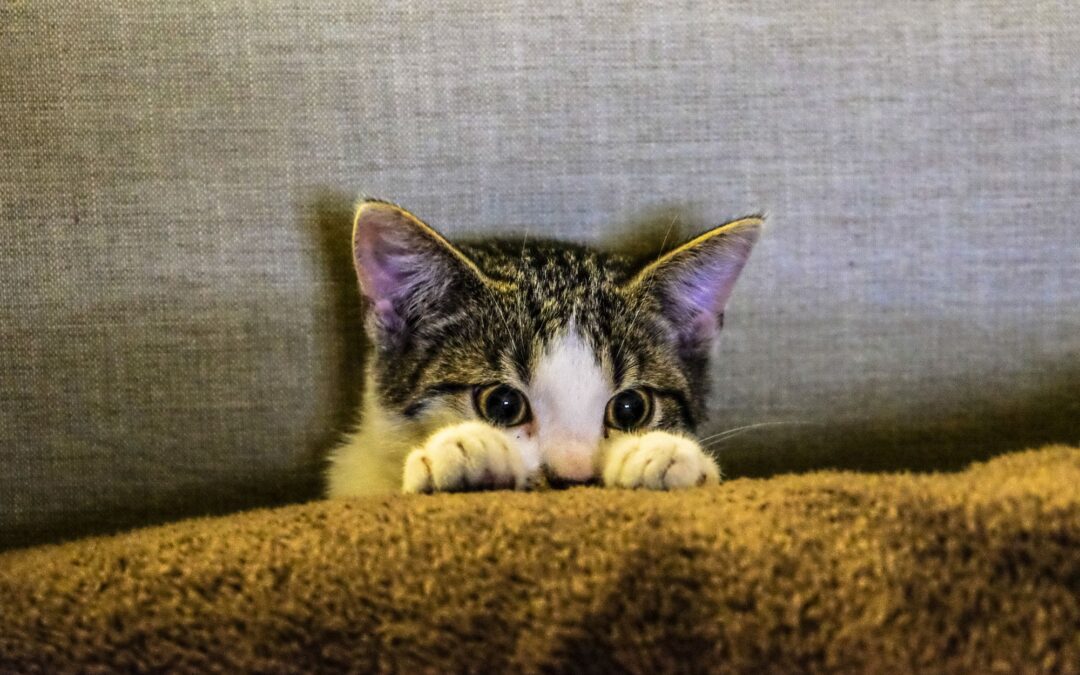
A cat hiding and not eating may be stressed, painful, nauseated, or ill. Check breathing, vomiting, gum color, urination, and possible toxin or foreign-object exposure first. Seek emergency care for breathing trouble, collapse, repeated vomiting, or straining without urine. Otherwise, call your veterinarian promptly, especially if little or no food is eaten for about 24 hours.
For cat owners in Ridgefield, CT, and nearby communities, noticing these small changes early can make a difference. A cat that suddenly becomes quieter than usual may not appear sick at first, but unusual hiding or a loss of appetite can be early signs of a health concern. Knowing what to watch for can help you decide whether your cat needs monitoring at home or veterinary care.
When Should You Worry About a Cat Hiding and Not Eating?
A cat that hides and stops eating should be evaluated more urgently if it also shows signs of pain, severe illness, or an inability to perform normal body functions. While some cats temporarily lose their appetite because of stress or minor illness, certain symptoms indicate a potentially life-threatening condition that should never be monitored at home.
Seek immediate veterinary care if your cat:
- Strains repeatedly but passes little or no urine
- Breathes with an open mouth or struggles to breathe
- Collapses, cannot stand, or is difficult to wake
- Vomits repeatedly or cannot keep water down
- Has yellow, white, blue, or very pale gums
- May have swallowed string, medication, a toxic plant, or another harmful substance
- Has a swollen or painful abdomen
- Has a seizure or suddenly loses balance
One of the most urgent warning signs is repeated straining in the litter box without producing urine. According to the American Veterinary Medical Association’s guidance on feline lower urinary tract disease, a urethral obstruction is a true medical emergency. Affected cats may make frequent trips to the litter box, cry while attempting to urinate, lick their genital area excessively, or produce only a few drops of urine despite repeated straining. If your cat develops any of these warning signs, do not wait to see whether the symptoms improve.
Should You Monitor, Call, or Seek Emergency Care?
Waiting too long can allow some conditions to become more serious. Consider your cat’s appetite, energy level, litter box habits, and any additional symptoms together rather than relying on a single sign.
| What you notice | What to do |
| Your cat misses one meal but still drinks water, behaves normally, and uses the litter box without difficulty. | Monitor your cat over the next several hours. Offer fresh water and a familiar, tempting food, and watch for changes in appetite, energy level, vomiting, diarrhea, or litter box habits. |
| Your cat eats less than usual, hides more, or seems quieter or less active than normal. | Contact your veterinarian the same day. These changes may be early signs of pain or illness, even if your cat has no other obvious symptoms. |
| Your cat eats little or nothing for about 24 hours. | Schedule a veterinary examination as soon as possible. Cats that stop eating can become seriously ill, and prolonged fasting increases the risk of liver disease (hepatic lipidosis), particularly in overweight cats. |
| Your cat is a kitten or has diabetes, kidney disease, or another chronic medical condition. | Do not wait 24 hours before calling your veterinarian. Young kittens and cats with underlying health conditions can deteriorate more quickly and may need earlier treatment. |
| Your cat struggles to breathe, repeatedly strains without producing urine, vomits repeatedly, collapses, has a seizure, or may have swallowed something toxic. | Seek emergency veterinary care immediately. These signs can indicate life-threatening conditions that require prompt diagnosis and treatment. |
You know your cat best. Changes from normal should never be ignored.
Why Is My Cat Hiding and Not Eating?
Your cat may hide and avoid food when it feels unwell, unsafe, or uncomfortable. Since cats often conceal signs of illness, look for changes in movement, drinking, vomiting, and litter-box use. Also note when the behavior started and whether anything recently changed at home. These details can help your veterinarian narrow down the cause.
Stress and Environmental Changes
Cats rely heavily on routine and familiar surroundings to feel secure. When something in their environment suddenly changes, such as moving to a new home, welcoming a new pet, hosting visitors, or hearing ongoing construction noise, many cats respond by withdrawing to a quiet hiding place.
These are common signs of cat anxiety, which can also cause changes in appetite and behavior. Stress can also suppress appetite because a cat that does not feel safe is less likely to leave its hiding spot to eat, drink, or interact normally.
Pain or Dental Problems
Cats instinctively hide pain because showing weakness could make them more vulnerable in the wild. As a result, a painful cat may become quieter, spend more time hiding, avoid being touched, or stop eating long before obvious signs such as limping or crying develop.
A cat with dental pain may:
- Drop food from its mouth
- Chew on one side
- Lick gravy but leave solid food
- Drool or paw at its mouth
- Approach the bowl and then walk away
These behaviors often indicate that your cat still wants to eat but is experiencing mouth pain. Have your cat examined by a veterinarian as soon as possible to identify problems such as fractured teeth, severe periodontal disease, inflamed gums, or oral ulcers.
Ridgefield Veterinary Center can perform an oral examination and recommend appropriate treatment based on the findings, which may include professional dental cleaning or other dental care.
Nausea or Underlying Illness
Nausea does not always cause vomiting. A nauseated cat may sniff food, lick its lips, swallow repeatedly, drool, or turn away from food. Respiratory infections can also reduce a cat’s sense of smell, making familiar food less appealing.
Appetite loss in cats can also occur with kidney disease, diabetes, pancreatitis, liver disease, fever, digestive illness, or a swallowed foreign object. Some medications may also reduce a cat’s appetite. According to the Cornell Feline Health Center, anorexia is a clinical sign associated with many physical and behavioral conditions rather than a diagnosis itself. This means appetite loss is a symptom rather than a disease, so identifying the underlying cause is necessary before treatment can begin.
How Long Can a Cat Go Without Eating?
A healthy adult cat should not routinely go an entire day without food. Sustained appetite loss can seriously affect a mature cat’s health within 24 hours. Kittens, senior cats, and cats with diabetes or other medical conditions may need veterinary care even sooner. Monitor how much your cat actually eats rather than whether the food bowl looks emptier, especially in multi-cat households.
Refusing food for too long can lead to hepatic lipidosis, also called fatty liver disease, particularly in overweight cats. Cornell notes that this condition can become life-threatening without prompt treatment because the liver cannot process fat normally when a cat stops eating.
What to Do When Your Cat Is Hiding and Not Eating
First, check for emergency symptoms. Seek emergency veterinary care immediately if your cat has trouble breathing, repeatedly strains without producing urine, collapses, vomits repeatedly, has a seizure, or may have swallowed something toxic. If no emergency signs are present, contact your veterinarian and observe your cat closely while awaiting guidance.
While You Contact Your Veterinarian
- Observe your cat’s breathing, movement, posture, and responsiveness.
- Record when your cat last ate and whether it is drinking water.
- Check whether your cat has urinated and passed stool normally.
- Note any vomiting, diarrhea, drooling, or repeated swallowing.
- Tell your veterinarian about any recent changes in food, medication, plants, household products, or possible foreign object exposure.
You may gently warm your cat’s usual wet food or add a small amount of warm water to increase its aroma. Hand feeding may help some calm cats, but stop if your cat turns away or becomes distressed. Avoid introducing unfamiliar foods because sudden diet changes can upset the stomach and make it harder to identify the underlying problem. These measures may encourage eating temporarily but will not treat pain, nausea, dental disease, or another medical condition.
What Not to Do
Do not give human medications or force-feed your cat unless your veterinarian specifically instructs you to do so. Many human medications are toxic to cats, and force-feeding can increase stress or cause food to be inhaled into the lungs. If your cat continues hiding, refuses food, vomits, or shows signs of pain, supportive care at home should never replace a veterinary examination.
What to Tell Your Veterinarian Before the Visit
Before your appointment, gather the following information to help your veterinarian evaluate your cat:
- Eating and drinking: When your cat last ate a normal meal, how much it has eaten since, and any changes in water intake.
- Bathroom habits and other symptoms: Changes in urination or bowel movements, vomiting, diarrhea, drooling, gagging, or difficulty chewing.
- Recent changes: New foods, medications, supplements, or possible exposure to plants, chemicals, string, or other foreign objects, as well as recent travel, visitors, construction, or a new pet.
- Medical history: Current medical conditions, ongoing treatments, and any changes in movement, posture, or activity level.
If possible, take a photo or short video of any unusual behavior before the appointment. Visual evidence can provide valuable information that may not be present during the examination.
Conclusion
A cat that is hiding and not eating should never be dismissed as simply being stressed. Pain, dental disease, nausea, urinary problems, and many other medical conditions can cause the same behavior. Monitor your cat closely for changes in appetite, drinking, movement, and litter-box use, and seek immediate veterinary care if emergency warning signs develop.
Ridgefield Veterinary Center has cared for cats and dogs in our community since 1955. For cat owners in Ridgefield, Redding, Danbury, Wilton, South Salem, and North Salem, our team can evaluate cats that are hiding, refusing food, or showing other signs of illness. Contact us today to schedule an examination.
FAQs
Why is my cat hiding near the litter box and not eating?
Hiding near the litter box may occur when a cat has urinary pain, constipation, diarrhea, or difficulty moving comfortably. Urinary obstruction is one of the most serious causes and may cause repeated straining with little or no urine production.
Why does my cat refuse food but still drink water?
A cat may continue drinking even when it refuses food, but continued food refusal is still concerning. Dental pain, nausea, kidney disease, diabetes, pancreatitis, and other conditions can affect eating and drinking differently.
Why will my new cat eat only when no one is watching?
A newly adopted cat may eat only when the home is quiet because unfamiliar people, other pets, loud noises, and new surroundings can cause anxiety. Most cats become more comfortable and relaxed as they adjust to their new environment. Provide a quiet feeding area and confirm that the cat is eating enough.
How can I get a hiding cat into a carrier safely?
A hiding cat is often easier to move when the carrier is placed nearby, and the cat is guided calmly with a towel or blanket. Speak calmly and avoid chasing your cat because this usually increases fear and makes handling more difficult.
Can a cat’s food bowl location affect its appetite?
Yes. Sensitive cats may avoid eating if their food and water bowls are placed in a noisy or busy location or too close to the litter box. Keeping food and water bowls in a quiet area can help reduce stress and encourage eating.