
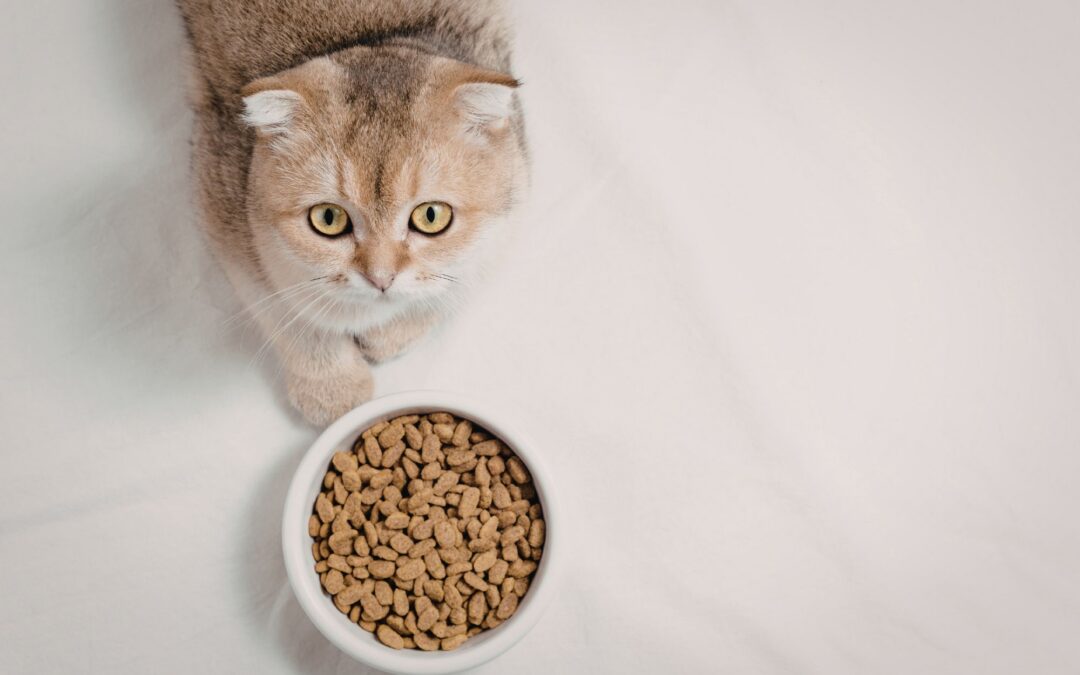
Most cat owners know the feeling. You set the food bowl down, walk away, and come back to find it untouched but your cat is sitting nearby, alert, grooming itself as if nothing happened. A cat not eating but acting normal can be caused by stress, a recent food change, dental pain, nausea, medication side effects, or an underlying medical condition. It is one of the most common concerns we hear from pet owners, and it is also one of the easiest concerns to misread.
Cats are skilled at masking discomfort. By the time obvious symptoms appear, the underlying problem has usually been developing for a while. That is why a change in eating habits, even without other symptoms, deserves attention. This article covers the most common reasons cats stop eating, which causes are minor, which ones move quickly toward serious, and exactly when it is time to call your vet.
Why Cats Stop Eating Even When They Seem Fine
A cat that refuses food while appearing otherwise normal is not necessarily in crisis, but it is telling you something is off. Appetite loss in cats, known clinically as inappetence, can stem from anything as simple as a food change or as serious as early-stage kidney disease.
It helps to understand how cats experience food differently from dogs or humans. Cats are driven almost entirely by scent when it comes to appetite. Their sense of taste is comparatively limited. They cannot even detect sweetness. This means that anything affecting a cat’s ability to smell can shut down appetite quickly, even when the cat feels reasonably well overall.
There is also an important clinical distinction cat owners should understand. Inappetence refers to a reduced desire to eat, such as eating smaller portions or leaving meals unfinished, while anorexia means a complete refusal to eat. Both are concerning, but anorexia carries a much higher risk of hepatic lipidosis, a potentially life-threatening liver condition that can develop rapidly when cats go without adequate nutrition.
10 Reasons Your Cat May Not Be Eating
Appetite loss in cats rarely has a single obvious cause. Most of the time, the reason falls into one of ten categories. Understanding which category applies to your cat is the first step toward helping them.
1. Dietary or Food Change
Cats are creatures of habit, and even a subtle change to their food can trigger refusal. A new bag of the same brand, a slightly different formula, a switch from wet food to dry food, or even a new bowl can be enough to put a cat off eating. Changes to the feeding schedule or location of the food bowl can have the same effect.
If a food or routine change happened recently, try reverting to what your cat knew before. When transitioning to a new food, do it gradually. Mix roughly 25% new food with 75% current food, then shift the ratio over seven to ten days. Cats that adjust slowly almost always accept the change more willingly than those switched abruptly.
2. Stress or Household Change
Stress ranks among the most common behavioral causes of appetite loss in cats. A new pet, a new family member, loud construction nearby, furniture rearranged in the wrong room, or tension with another cat in the household can all suppress appetite significantly.
Cats under stress do not always show it through obvious behavioral changes. Some hide. Some stop eating quietly while appearing otherwise calm. Beyond appetite, chronic stress can cause physical problems, including bladder inflammation and weight loss, so it is worth addressing even when your cat seems mostly fine. Providing consistent routines, quiet feeding areas, and separate resources for each cat in a multi-cat home goes a long way.
3. Dental Pain or Mouth Disease
Dental disease affects roughly 15.2% of cats seen in primary care veterinary practice, making it one of the most common and most overlooked causes of appetite loss. A cat with a broken tooth, gum inflammation, or oral ulcers often shows no outward signs of pain. They continue playing and grooming normally, but the act of chewing becomes uncomfortable enough to make them avoid food.
Watch for drooling, dropping food mid-chew, or pawing at the mouth. Often, though, none of these signs appear, and a veterinary oral exam is the only way to identify the problem. Regular dental cleanings and annual mouth checks catch most issues before they reach the point of affecting appetite. Ridgefield Veterinary Center offers pet dental cleaning and pet dental surgery for cats at all stages of dental disease.
4. Upset Stomach or Gastrointestinal Issues
Nausea does not always announce itself with vomiting. A cat experiencing digestive discomfort from gastroenteritis, pancreatitis, or inflammatory bowel disease may approach the food bowl, sniff it, and walk away without any other visible symptoms. That specific behavior, sniffing food and then leaving it, is one of the clearest indicators of nausea in cats.
Gastrointestinal conditions vary widely in severity. Some resolve on their own within a day or two. Others, like pancreatitis or IBD, require diagnosis and ongoing management. Because these conditions can look so similar on the surface, a veterinary exam with appropriate diagnostics is often the fastest route to an answer. The team also provides pet gastrointestinal services and in-house laboratory testing to help identify the cause quickly.
5. Respiratory Infection
Since cats rely so heavily on scent to trigger appetite, a blocked or runny nose can shut down their interest in food almost entirely. Upper respiratory infections, sometimes called cat flu, are a common cause of this. Along with appetite loss, look for sneezing, runny eyes, or nasal discharge. Warming wet food slightly helps by intensifying the aroma and making food more detectable through congestion. Wiping discharge from around the nose with a soft, damp cloth can also help. Bacterial respiratory infections sometimes require antibiotics, so contact your vet if symptoms persist beyond a couple of days.
6. Heat and Seasonal Changes
Hot weather naturally reduces a cat’s activity level, and with it, their caloric needs and appetite. This is a normal physiological response and typically resolves as temperatures drop. That said, a cat eating noticeably less during a heat wave still needs monitoring. Keep fresh water available at all times during warm months. Avoid leaving wet food out for more than 20 to 30 minutes in high temperatures, as it spoils quickly. Offer smaller, more frequent portions rather than a large meal left out all day. If appetite does not return to normal when the heat subsides, schedule a veterinary check.
7. Vaccination Side Effects
Some cats experience mild fatigue and a low-grade fever for 24 to 48 hours after receiving vaccinations. A normal immune response that can temporarily reduce appetite. This is not a cause for alarm in most cases, and the cat typically returns to normal eating within two days. Monitor your cat closely after any vaccination visit. If the appetite suppression extends beyond 48 hours or if other symptoms develop alongside it, contact your veterinarian. Ridgefield Veterinary Center offers cat vaccinations and can advise on what to expect after each type of vaccine.
8. Pain from Illness or Injury
Cats are instinctively hardwired to conceal pain. A cat with arthritis, an internal injury, or a painful chronic condition may appear completely normal to even an attentive owner while quietly reducing food intake because eating requires effort that hurts. Subtle signs to watch for include a reluctance to jump, changes in grooming patterns, altered posture, or a slight stiffness in movement. If your cat has a known condition like arthritis, pain management may restore appetite alongside improving comfort. Ridgefield Veterinary Center offers pet pain management and cold laser therapy as part of a broader pain management approach.
9. Serious Underlying Medical Conditions
Kidney disease, hyperthyroidism, liver disease, diabetes, and cancer can all suppress appetite. For many cat owners, a change in eating habits is the first and only early signal that something more serious is developing. This is the most compelling reason not to apply a “wait and see” approach beyond 24 hours. Early intervention leads to significantly better outcomes across nearly all of these conditions. Blood panels, urinalysis, and imaging through pet laboratory and diagnostic services can identify most of these conditions at a stage when treatment is still highly effective.
10. Medication Side Effects
Cats already being treated for a health condition may experience appetite suppression as a side effect of their medication. Antibiotics, anti-inflammatories, and chemotherapy drugs are among the more common culprits. In some cases, the suppression is temporary and resolves as the cat adjusts. In others, it requires active management.
If your cat is on medication and has stopped eating, contact the prescribing veterinarian. A prescription appetite stimulant such as mirtazapine or capromorelin (sold under the brand name Elura) may help bridge the gap while the underlying condition is being treated. Both require a proper diagnosis and veterinary prescription.
Minor Cause vs. Urgent Cause: A Quick Guide
The table below outlines where each common cause generally falls, though any cat that has not eaten for 24 hours warrants a call to your vet, regardless of where the suspected cause appears on this list.
| Cause | Urgency Level | Key Signs to Watch |
| Food or bowl change | Low | Eating resumes within 12–24 hours |
| Stress or household disruption | Low-Medium | Appetite improves as the environment stabilizes |
| Heat or seasonal change | Low | Mild reduction only; water intake normal |
| Vaccination (24-48 hrs post-shot) | Low | Self-resolving; monitor closely |
| Dental pain or mouth disease | Medium | Drooling, dropping food, pawing at the mouth |
| Respiratory infection | Medium | Sneezing, runny eyes, and nasal discharge |
| Nausea or digestive upset | Medium–High | Sniffs food, then walks away; lip licking |
| Pain from illness or injury | High | Hiding, altered movement, and reluctance to jump |
| Kidney, liver, diabetes, or cancer | High | Any appetite loss lasting more than 24 hours |
| No food eaten for 24+ hours | Urgent | Contact your veterinarian immediately |
If you are unsure where your cat falls on this table, the safest decision is a phone call to your vet. A brief conversation can clarify whether you need to come in immediately or monitor for a few more hours.
The 24-Hour Rule and Hepatic Lipidosis
If your cat has not eaten anything for 24 hours, even while appearing completely normal otherwise, contact a veterinarian. This timeline exists for a specific and serious reason: cats that stop eating are vulnerable to hepatic lipidosis, a form of fatty liver disease that can develop within 48 hours and become life-threatening if left untreated.
Here is what happens inside the body. When a cat stops eating, it begins mobilizing fat from its tissues to use as energy. Unlike humans and dogs, cats process this fat differently. The liver gets overwhelmed trying to metabolize the surge of incoming fat cells and begins to fail. Overweight cats reach this threshold faster than lean ones because they have more fat stores to mobilize. Senior cats are also at elevated risk due to reduced metabolic resilience.
The dangerous part is how normal a cat in the early stages of hepatic lipidosis can appear. There may be no vomiting, no lethargy, no yellowing of the skin yet. That window is exactly when treatment is most effective, and recovery is most likely.
What You Can Try at Home First
These strategies are appropriate for a cat that has missed one meal, seems otherwise healthy, and has no additional symptoms. They are not a substitute for veterinary care if appetite loss continues past 24 hours.
- Warm the wet food. Heat cat food to just above room temperature, around 100°F. Warming intensifies the aroma, which is the primary driver of appetite in cats. Cold food straight from the refrigerator has very little scent appeal.
- Offer something with a strong smell. A small amount of tuna-based wet food, a low-sodium chicken broth poured over kibble, or a high-quality canned food with a pungent protein can sometimes break through mild nausea or disinterest.
- Move the bowl. Feed in a quiet area away from other pets, loud appliances, and foot traffic. Some cats refuse to eat when they feel exposed or stressed during meals.
- Try a different bowl. Deep or narrow bowls cause whisker fatigue. A wide, shallow dish or a flat plate removes that barrier entirely.
- Remove uneaten food promptly. Leaving rejected food sitting out can cause a cat to develop an aversion to that specific food or smell. Offer small amounts, remove after 20-30 minutes, and try again later.
- Keep the environment calm. Maintain a consistent feeding schedule, minimize household disruption, and give your cat space to eat without being watched or pressured.
If none of these steps produce results within 24 hours, the next call is to your veterinarian.
Senior Cats and Appetite Loss: A Higher-Risk Group
Older cats experience appetite loss more frequently than younger cats, and the causes are often more complex. In senior cats, a skipped meal is less likely to trace back to a food preference and more likely to signal an underlying health condition that deserves prompt evaluation.
The most common culprits in aging cats include chronic kidney disease, hyperthyroidism, advanced dental disease, diabetes, and cancer. What makes senior cats particularly vulnerable is that several of these conditions can develop simultaneously and quietly, each contributing a little to the overall decline in appetite. A cat may also appear reasonably normal while dealing with early-stage kidney disease and dental pain at the same time.
Senior cats also lose weight more rapidly when they stop eating and reach the hepatic lipidosis threshold faster than younger, healthier cats. Rapid weight loss in an older cat is always a reason to seek veterinary attention without delay.
Annual bloodwork is the most reliable way to catch these conditions before appetite loss even begins. Senior pet care and geriatric pet wellness exams are designed specifically for aging cats, including full bloodwork panels that screen for the conditions most commonly responsible for appetite changes in older animals. These exams serve cat owners throughout Ridgefield, Wilton, Danbury, and the surrounding communities.
Conclusion
A cat not eating but acting normal is easy to dismiss. However, cats are instinctively good at appearing fine, and the conditions that reduce appetite most often are the same ones that worsen fastest without treatment. The 24-hour rule exists for a reason: it is the practical line between “monitor at home” and “make the call.”
Ridgefield Veterinary Center has been caring for cats across Ridgefield and Fairfield County since 1955. The practice is Fear Free Certified, and the team is equipped with in-house diagnostics, laboratory services, and the full range of care needed to identify and treat whatever is behind your cat’s change in appetite. If your cat has not eaten today or if something just feels off, trust that instinct. Call (203) 438-2658 or book an appointment online. Early action is almost always the right one.
FAQs
How long can a cat go without eating before it becomes dangerous?
Most veterinarians recommend contacting a vet if a cat has not eaten for 24 hours, even when the cat appears otherwise normal. The primary concern is hepatic lipidosis, a serious form of fatty liver disease that can develop within 48 hours of a cat not eating adequately. Overweight cats and senior cats reach this threshold faster than others. Acting within that first 24-hour window gives your cat the best chance of a straightforward recovery.
Why is my cat drinking water but not eating?
A cat that drinks water but refuses food is often experiencing nausea, dental pain, or early-stage kidney disease, a condition that simultaneously increases thirst and suppresses appetite. The combination of normal thirst alongside food refusal is a meaningful pattern, not a reassuring one. If this persists for more than one day, schedule a veterinary exam to identify the underlying cause and rule out kidney or metabolic disease.
Why does my cat sniff food and then walk away?
This specific behavior is one of the clearest signs of nausea in cats. It is distinct from simple pickiness, where a cat shows no interest at all. Causes include digestive upset, pancreatitis, kidney disease, and dental pain that makes the act of eating uncomfortable. Warming the food to increase aroma can help temporarily, but if the behavior repeats across more than one feeding, a veterinary visit is the right next step.
What can I give my cat to stimulate appetite at home?
The most practical home approaches are warming wet food to just above room temperature, offering a small amount of strong-smelling food like tuna-based canned food, and serving meals in a calm environment away from other pets. These work because a cat’s appetite is driven primarily by scent. Anything that amplifies food aroma tends to help. If home measures do not produce results within 24 hours, your veterinarian may prescribe a safe appetite stimulant such as mirtazapine or capromorelin, but these require an exam and diagnosis first.
Is it an emergency if my cat stops eating?
A single missed meal is not automatically an emergency, but appetite loss moves toward one faster in cats than most owners realize. The 24-hour mark is the practical threshold; at that point, the risk of hepatic lipidosis becomes real enough to warrant veterinary attention, even if your cat seems otherwise fine. Any appetite loss accompanied by vomiting, lethargy, yellow eyes or gums, or difficulty breathing should be treated as urgent from the start.
Why is my senior cat not eating?
Senior cats are more likely to experience appetite loss due to age-related health changes, including chronic kidney disease, hyperthyroidism, advanced dental disease, diabetes, and cancer. These conditions often develop quietly, and reduced appetite is frequently among the earliest signs. A blood panel and wellness exam can identify most of them at an early, treatable stage. Ridgefield Veterinary Center’s geriatric wellness exams are specifically designed to catch these issues before they become harder to manage.