
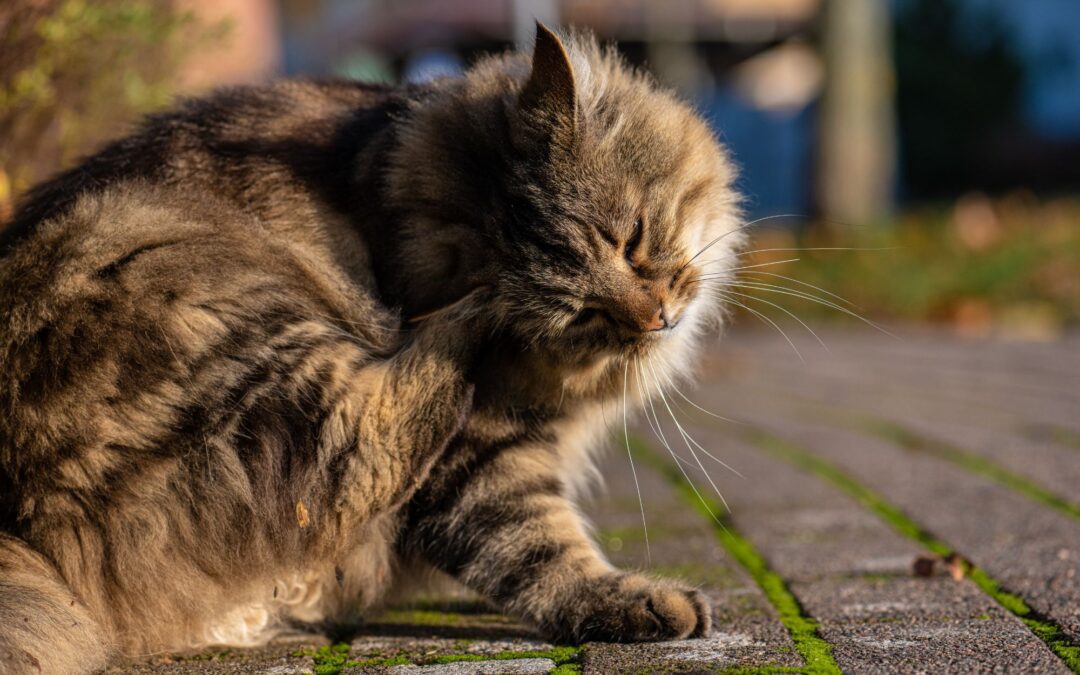
Cats groom themselves often, so an occasional scratch around the ears is usually nothing to worry about. But if your cat is scratching its ears a lot, shaking its head, or rubbing its face against furniture, it is worth paying attention. These behaviors can be signs that the ears are irritated or inflamed.
In cats, excessive ear scratching can be caused by ear mites, ear infections, allergies, trapped debris, or other conditions affecting the ear canal. The cause is not always obvious just by looking at the outside of the ear, and persistent scratching can make irritation worse. For cat owners in Ridgefield, CT, and nearby communities such as Wilton, Redding, and Danbury, knowing which signs to watch for can help you recognize an ear problem before your cat becomes more uncomfortable.
Why Is My Cat Scratching Its Ears a Lot?
A cat may scratch its ears when something is making the ear canal itchy, irritated, or painful. Ear mites, infections, allergies, and debris are common causes, but a foreign object, skin condition, or growth such as an ear polyp can also be responsible.
Healthy cat ears are generally clean, pale pink, and free of a strong odor. Redness, swelling, excessive wax or debris, discharge, or sensitivity when you touch the ear are not normal. Pay attention if your cat is also shaking its head, rubbing its face, or scratching one ear more than the other.
The next step is to look at the most common causes and the signs that can help you tell them apart.
Common Causes of Excessive Ear Scratching in Cats
Ear Mites
Cornell University College of Veterinary Medicine explains that ear mites can cause significant irritation and may lead to problems from persistent scratching. Ear mites are tiny parasites that live in a cat’s ear canal and can cause intense itching. They are more common in kittens, outdoor cats, and cats that have contact with infected animals, but indoor cats can get them too if another pet brings mites into the home.
One of the most recognizable signs is dark brown or black ear discharge that resembles coffee grounds. Cats with ear mites may also scratch their ears excessively, shake their heads, and develop redness or hair loss around the outer ear.
Because ear mites are highly contagious, they can spread between cats and to other pets through close contact. If one pet has confirmed ear mites, your veterinarian may recommend treating other pets in the household as well.
Ear Infections
Merck Veterinary Manual explains that ear inflammation in cats can be associated with infections, parasites, allergies, foreign objects, and other underlying problems. An ear infection can make your cat’s ear itchy, painful, or sensitive, which may lead to frequent scratching and head shaking.
You may notice redness, swelling, excess wax, an unusual odor, or discharge from the affected ear. Some cats develop inflammation of the outer ear canal, while others may have problems involving the middle or inner ear.
Because different causes require different treatments, your veterinarian may examine ear debris under a microscope to check for bacteria, yeast, or parasites before recommending medication.
Allergies
Food allergies and environmental allergens can make a cat’s ears itchy. Common allergens may include pollen, dust mites, mold, or ingredients in food. Cats with allergies often have other symptoms too, such as itchy skin, excessive grooming, hair loss, or irritated skin around the face and neck.
An allergic reaction can affect the skin inside and around the ears. Scratching can then damage the skin barrier and create an opportunity for bacterial or yeast infections to develop.
Foreign Objects or Irritation
A foreign body inside the ear canal can create sudden discomfort, especially when only one ear is affected. Plant material, dirt, or other small debris may irritate the canal and lead to head shaking and persistent scratching.
Do not try to dig into your cat’s ear with cotton swabs or tweezers. This can push debris farther into the cat’s ear canal or cause injury. A veterinarian can safely examine the area with an otoscope.
Ear Polyps or Other Growths
Ear polyps are noncancerous growths that can develop in a cat’s ear or upper throat. They may cause repeated ear infections, discharge, head tilting, noisy breathing, or symptoms in one ear that do not improve.
Persistent one-sided ear issues need an accurate diagnosis. Your veterinarian may recommend further testing if they suspect a polyp, foreign object, or deeper middle-ear problem.
Signs Your Cat’s Ear Scratching Needs Veterinary Care
Cat owners should schedule a vet visit when ear scratching is persistent, painful, or paired with visible changes. Watch for these telltale signs:
- Head shaking or frequent head tilting
- Dark debris that looks like coffee grounds
- Yellow, brown, bloody, or pus-like ear discharge
- Redness, swelling, scabs, or a warm ear flap
- Unusual odors from the ears
- Hair loss or wounds near the ears and face
- Crying, hissing, or pulling away when the ears are touched
- Loss of balance, walking in circles, or hearing changes
- A cat that scratches one ear much more than the other
A cat scratching ears a lot may be uncomfortable long before the problem looks severe. Early care can help protect your cat’s ear health and prevent painful secondary infections.
Ridgefield Veterinary Center provides pet diagnostic services and thorough examinations to help identify the underlying cause of ongoing ear issues.
Treatment for Cats With Itchy Ears
Correct treatment depends on the cause. A veterinarian may prescribe ear drops, parasite treatment, oral antibiotics, anti-inflammatory medication, or antifungal medication. Many ear medications combine treatments to address bacteria, yeast, and inflammation, but they should only be used after a proper diagnosis.
If your cat has ear mites, treatment may involve medication for your cat and other pets in the household. Your veterinarian may also recommend washing bedding and cleaning areas where pets sleep to reduce the chance of reinfestation.
For allergies, treatment may include identifying likely triggers, managing skin inflammation, or discussing food trials when food allergies are suspected. The goal is not only to clear the immediate ear problem but also to reduce repeat flare-ups.
Should You Clean Your Cat’s Ears at Home?
Most cats with healthy ears do not need routine ear cleaning. Over-cleaning can irritate the ear canal and may make ear problems worse. The Merck Veterinary Manual advises against home remedies such as vinegar or hydrogen peroxide because they can irritate inflamed ears.
Do not use human ear drops, essential oils, alcohol, hydrogen peroxide, or leftover medication from another pet. Never place anything deep into your cat’s ears.
If your veterinarian recommends that you clean your cat’s ears, use only the approved cleaner and follow the instructions provided. In general:
- Place the prescribed ear cleaner at the opening of the ear canal.
- Gently massage the base of the ear for several seconds.
- Let your cat shake its head.
- Wipe only the visible outer ear with cotton or gauze.
- Stop if your cat seems painful or distressed.
Can Ear Scratching Go Away on Its Own?
Mild, brief itching may settle if it is caused by temporary irritation. However, cat scratching ears a lot that continues for more than a day or two, becomes intense, or comes with discharge should be evaluated.
Ear problems can worsen when they are left untreated. Repeated scratching may create sores, increase inflammation, and allow secondary infections to develop. A cat that shakes its head forcefully can also develop an aural hematoma, which is a painful pocket of blood in the ear flap.
How to Help Protect Your Cat’s Ear Health
You cannot prevent every ear issue, but simple habits can help you notice changes early:
- Check your cat’s ears regularly for odor, redness, swelling, or discharge.
- Keep outdoor cats current on parasite prevention recommended by your veterinarian.
- Bring new pets for an exam before close contact with resident cats when possible.
- Watch for scratching, head shaking, or changes in behavior.
- Do not use home remedies or unapproved ear drops.
- Keep up with routine wellness exams, where your veterinarian can check your cat’s ears along with their overall health.
Conclusion
Your cat may not be able to tell you when something is bothering its ears, but changes in scratching, head shaking, odor, discharge, or sensitivity can give you important clues. While occasional scratching is normal, frequent scratching deserves attention. Finding the cause early can help your cat get comfortable again and prevent a small ear problem from becoming more painful.
At Ridgefield Veterinary Center, we have cared for cats and their families in Ridgefield, CT, since 1955. If your cat is still scratching its ears or you have noticed other changes, our veterinary team is here to help. Contact us today so we can take a closer look and help your cat feel better.
FAQs
Can indoor cats get ear mites?
Yes. Indoor cats can get ear mites after contact with another infected cat or pet. Although outdoor cats have more exposure risk, mites can still spread inside a household. A veterinarian can confirm the cause and recommend effective treatment.
Why is my cat scratching one ear?
A cat scratching one ear may have debris, a foreign body, an ear infection, ear mites, a polyp, or irritation affecting that side. One-sided symptoms are worth checking because they can point to a localized problem. Avoid placing anything in the ear before the appointment.
What does ear mite debris look like in cats?
Ear mite debris often looks dark, dry, and crumbly, similar to coffee grounds. However, dark discharge alone does not confirm mites because infections and wax buildup can look similar. Your veterinarian can examine a sample under a microscope for a clear answer.
Can I use over-the-counter ear drops for my cat?
Do not use ear drops unless your veterinarian has recommended them for your cat’s specific issue. The wrong product can irritate the ear canal or be unsafe if the eardrum is damaged. Treatment should match the underlying cause.