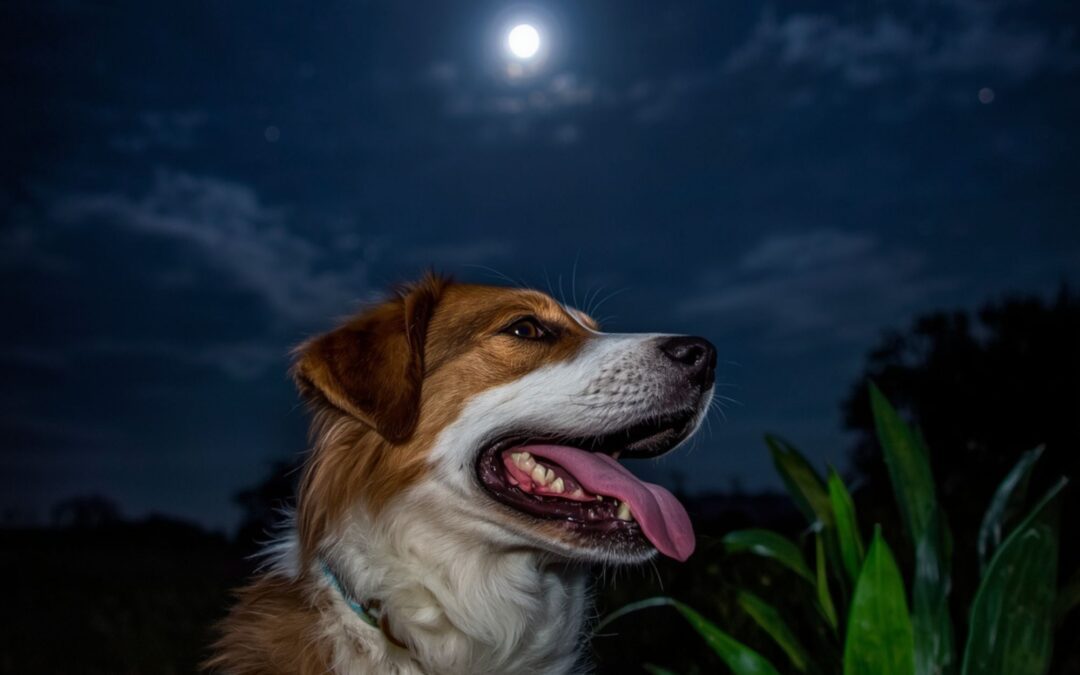
If your dog is panting excessively at night, the cause may be heat, anxiety, pain, arthritis, respiratory disease, heart disease, medication side effects, or age-related health changes. Some nighttime panting is normal after exercise, warm weather, or stress, but heavy panting without a clear reason deserves attention.
Many Ridgefield pet owners notice nighttime panting when the house is quiet, their dog cannot settle, or a senior pet starts pacing after bedtime. This guide is for dog owners who want a clear answer on what may be causing nighttime panting, what warning signs to watch for, and when to contact a veterinarian.
Is It Normal for Dogs to Pant at Night?
Dogs may pant at night after exercise, excitement, warm weather, or a stressful event. Panting helps dogs regulate body temperature because they do not sweat the way people do. However, frequent or unexplained panting at night can point to pain, anxiety, respiratory disease, heart disease, or another medical concern.
Panting is a completely normal bodily process when your dog needs to cool down. You may notice your dog panting after even light exercise, during high nighttime temperatures, or after loud thunderstorms. In these cases, panting usually improves once your dog rests, cools down, and feels safe again.
The concern starts when your dog is panting heavily without an obvious reason. If the room feels cool, your dog has not been active, and the panting continues, pay attention to the pattern. Excessive nighttime panting can disrupt sleep and may signal a problem with your dog’s ability to breathe, rest, or stay comfortable.
Normal panting often looks temporary and mild. Concerning panting usually looks different.
| Type of Panting | What It May Look Like | What To Do |
| Normal cooling | Panting after play, walks, or warm weather | Offer water and a cool resting area |
| Stress-related | Panting after fireworks, storms, or separation anxiety | Reduce triggers and monitor behavior |
| Pain-related | Panting with pacing, whining, or reluctance to lie down | Schedule a veterinary exam |
| Breathing-related | Heavy panting, coughing, noisy breathing, or blue gums | Seek urgent veterinary care |
| Senior dog changes | Restlessness, confusion, disturbed sleep, and wake cycles | Ask about senior pet evaluation |
Common Reasons Your Dog Is Panting at Night
Dogs may pant at night because of anxiety, pain, heat, arthritis, medication side effects, respiratory disease, heart disease, Cushing’s disease, or age-related cognitive changes. The cause often depends on your dog’s age, breed, health history, environment, and whether other symptoms appear with the panting.
Nighttime makes changes easier to notice. During the day, a dog may pant, shift positions, or act restless without drawing much attention. At night, the same symptoms can feel more intense because the house is quiet and your dog cannot settle.
Common causes of dog panting at night include:
- Anxiety or stress
- Pain or discomfort
- Warm sleeping conditions
- Arthritis
- Respiratory disease
- Heart disease
- Cushing’s disease
- Canine cognitive disorder
- Medication side effects
Anxiety and Stress
Stress can cause dog panting and restless behavior, especially after upsetting events. Loud thunderstorms, fireworks, new routines, visitors, travel, or separation anxiety can trigger other anxious behaviors such as pacing, whining, trembling, hiding, or staying close to an owner. If panting starts during or shortly after a stressful event and fades once your dog relaxes, anxiety may play a role. Still, repeated episodes deserve a veterinary conversation, especially if your dog cannot sleep or seems distressed.
Pain or Discomfort
Dogs experiencing pain may exhibit excessive panting because they cannot get comfortable. Pain can come from injury, arthritis, dental disease, abdominal discomfort, ear infections, untreated allergies, or other medical conditions. Older dogs often show this more at night after lying down for long periods. A dog affected by pain may also pace, shift positions, avoid stairs, limp, lick one area, or seem reluctant to jump on furniture. These signs can look subtle at first. If your dog is panting and restless at night more than once, a veterinary exam can help find the source before symptoms worsen.
Warm Sleeping Conditions
High nighttime temperatures, thick bedding, poor airflow, and humid rooms can make dogs pant heavily. Short-nosed breeds, overweight dogs, senior dogs, and dogs with heart or breathing problems may struggle more in warm conditions. Try moving your dog to a cooler space, offering fresh water, and using lighter bedding. If panting continues after your dog cools down, heat may not be the only cause.
Medication Side Effects
Some medications can increase panting, thirst, appetite, or frequent urination. Steroids, for example, may cause excessive panting and a pot-bellied appearance in some dogs. Never stop a prescribed medication without veterinary guidance, but do tell your veterinarian when panting starts after a new medication or dosage change.
Why Is My Senior Dog Panting at Night?
Senior dogs may pant at night because of arthritis, chronic pain, heart disease, respiratory disease, canine cognitive disorder, or hormonal problems such as Cushing’s disease. Aging can make symptoms more noticeable because older dogs often have less physical reserve and may struggle more with disrupted sleep, discomfort, or stress.
A senior canine companion who suddenly pants at night needs more than a quick assumption that “it is just old age.” Many age-related problems respond better when detected early. Ridgefield Veterinary Center offers pet wellness exams and comprehensive physical exams that help identify changes in breathing, pain, weight, mobility, and behavior.
Canine Cognitive Disorder and Dog Dementia
Canine cognitive disorder, sometimes called dog dementia, can affect senior dogs and may cause disturbed sleep-wake cycles. Cornell’s canine health resources note that cognitive dysfunction can involve disorientation, changes in interaction, sleep pattern changes, and house-soiling. Dogs may wander at night, seem confused, stare into space, or act more anxious than usual.
A cognitive disorder, dog dementia pattern often develops gradually. Pet owners may first notice nighttime restlessness, pacing behaviors, or a dog who wakes and pants for no clear reason. A veterinarian can help rule out pain, metabolic disease, urinary issues, and vision or hearing changes before discussing cognitive support.
Arthritis and Joint Pain
Arthritis may exhibit nighttime panting because dogs become stiff after rest. Your dog may lie down, get up, circle, pant, and repeat the pattern because no position feels comfortable. Practical signs include trouble rising, slower walks, hesitation on stairs, and less interest in jumping. Pain management, weight control, joint support, and mobility changes at home can make a real difference, but your veterinarian should first identify the cause and severity.
Heart Disease in Older Dogs
Heart disease can cause panting, coughing, reduced stamina, and breathing changes. Some dogs pant at night because lying down makes breathing feel harder. Others cough after rest or seem tired after light exercise. Because heart and lung problems can overlap, an accurate diagnosis matters. A veterinarian may listen to your dog’s heart and lungs, check gum color, review symptoms, and recommend diagnostic testing when needed.
Why Is My Dog Panting at Night but Not Hot?
If your dog is panting at night but not hot, the cause may involve anxiety, pain, heart disease, respiratory disease, Cushing’s disease, medication side effects, or canine cognitive disorder. A cool room does not rule out medical causes, especially when panting appears with pacing, coughing, weakness, shaking, or behavior changes.
Many owners first check the thermostat, bedding, or water bowl. That is a good start, but temperature only explains some cases. If your dog is panting excessively at night in a cool room, look for other clues: Can your dog settle? Are the gums healthy pink? Is your dog coughing, restless, or breathing with extra effort?
Use this table as a quick reference, but do not use it as a diagnosis. It does not constitute medical advice regarding pets or replace a veterinarian’s exam.
| Symptom Pattern | Possible Cause | Suggested Next Step |
| Panting in a cool room | Anxiety, pain, medication effect | Monitor and call your vet if repeated |
| Panting and pacing | Pain, stress, and cognitive changes | Schedule a veterinary exam |
| Panting and coughing | Heart or respiratory disease | Contact your veterinarian |
| Panting with frequent urination | Cushing’s disease or medication effect | Ask about diagnostic testing |
| Panting with blue or gray gums | Oxygen deprivation | Go to a nearby emergency veterinary hospital |
| Panting with collapse | Serious emergency | Seek immediate care |
When Is Nighttime Panting an Emergency?
Nighttime panting becomes an emergency when your dog has trouble breathing, blue or gray gums, collapse, severe weakness, repeated vomiting, or an inability to rest. Sustained breathing trouble in pets requires urgent evaluation because dogs may hide respiratory distress until the condition becomes serious.
The American Animal Hospital Association advises pet owners to treat sustained breathing trouble as an emergency and go straight to the nearest emergency hospital rather than waiting. Cornell University College of Veterinary Medicine also lists warning signs such as rapid open-mouth breathing, bluish gums or muzzle, abdominal effort while breathing, noisy breathing, weakness, or collapse.
Seek urgent veterinary care if your dog exhibits symptoms such as:
- Blue, gray, pale, or muddy gums
- Open-mouth breathing that looks strained
- Heavy panting with collapse or weakness
- Abdominal effort while breathing
- Wheezing, snorting, or noisy breathing
- Severe coughing or gagging
- Excessive drooling with distress
- Inability to lie down or sleep
- Sudden confusion or unresponsiveness
For Ridgefield, Danbury, Wilton, Redding, and nearby pet owners, call your regular veterinarian during clinic hours for guidance. If your dog’s breathing looks labored or your dog seems unstable, go to a nearby emergency veterinary hospital immediately.
What Will a Veterinarian Check for Nighttime Panting?
A veterinarian will look for the reason behind excessive panting by reviewing your dog’s history, performing a physical exam, and recommending diagnostic tests when needed. The goal is to determine whether panting comes from pain, anxiety, respiratory disease, heart disease, hormonal changes, medication effects, or senior health concerns.
A good exam starts with practical questions. When did the panting start? Does it happen every night? Does your dog cough, pace, drink more water, urinate more, or show other anxious behaviors? Has anything changed at home, such as a new medication, new pet, schedule change, or recent injury?
Physical Exam
During an exam, the veterinarian may check:
- Temperature
- Heart rate and rhythm
- Respiratory rate and effort
- Gum color
- Lung sounds
- Pain response
- Joint mobility
- Weight and body condition
- Hydration
- Abdominal comfort
These details help narrow the cause. For example, a dog with healthy pink gums and anxiety after thunderstorms may need a different plan than a dog with coughing, weakness, and abnormal lung sounds.
Diagnostic Testing
If the exam raises concern, your veterinarian may recommend bloodwork, X-rays, oxygen assessment, heart evaluation, or other treatment procedures based on your pet’s condition. PetMD notes that Cushing’s disease can occur when a dog produces too much cortisol and may cause excessive panting, increased thirst, hair loss, and other symptoms.
Testing helps your veterinarian catch conditions early, adjust medication, manage pain, or recommend follow-up care. If your dog has recently developed excessive nighttime panting, schedule an appointment with Ridgefield Veterinary Center’s veterinary services team.
What You Can Do at Home Before Your Appointment
Before your appointment, start with the basics. Make sure your dog has water, a cool resting area, and a calm environment. Then observe without forcing activity. Do not give human medication, sedatives, or leftover pet medication unless your veterinarian specifically tells you to.
A simple nighttime panting log can include:
- Time panting starts and stops
- Room temperature or recent weather
- Recent exercise, meals, or stress triggers
- Coughing, pacing, shaking, or whining
- Appetite and water intake
- Urination changes
- Medication changes
- Gum color, if you can safely check
- A short video of the panting episode
At Ridgefield Veterinary Center, nighttime panting concerns are especially common in senior dogs. For example, an 11-year-old dog panting and pacing around 2 a.m. for several nights, combined with increased thirst and a new pot-bellied shape, would prompt our team to evaluate pain, Cushing’s disease, medication effects, and breathing or heart concerns.
Conclusion
Dog panting at night can come from something simple, such as warmth or temporary stress, but it can also signal pain, anxiety, respiratory disease, heart disease, Cushing’s disease, or canine cognitive disorder. The pattern matters. A dog who pants briefly after a warm evening walk differs from a dog panting excessively at night while pacing, coughing, trembling, or struggling to breathe.
If your dog’s panting feels unusual, do not ignore it. At Ridgefield Veterinary Center, we help pet owners in Ridgefield, Redding, Wilton, Danbury, South Salem, North Salem, and nearby communities understand what may be causing the problem and determine the next best step for their dog’s health. Contact us today to schedule a veterinary exam in Ridgefield, CT.
FAQs
Why is my dog panting heavily at night?
Your dog may pant heavily at night because of heat, anxiety, pain, respiratory disease, heart disease, Cushing’s disease, or age-related cognitive changes. If the panting is new, intense, or paired with coughing, pacing, weakness, or blue-gray gums, your dog should see a vet. Record a short video and note how long the episode lasts so your veterinarian can better understand what happens at home.
Why is my dog panting and pacing at night?
Dog panting and restless behavior often point to anxiety, pain, discomfort, or canine cognitive disorder in senior dogs. Pacing behaviors can also happen when a dog feels too warm, needs to urinate, or cannot get comfortable because of arthritis. If this pattern repeats, schedule a veterinary exam instead of waiting for it to become part of your dog’s nightly routine.
Can anxiety cause nighttime panting in dogs?
Yes, anxiety can cause panting at night, especially after loud thunderstorms, fireworks, travel, schedule changes, or separation anxiety. Dogs may also show other anxious behaviors such as trembling, whining, hiding, pacing, or staying unusually close to their owner. If anxiety disrupts sleep often, your veterinarian can help rule out medical causes and discuss safe behavior or treatment options.
Is panting while sleeping normal?
Light panting during sleep can happen, especially after activity, warm weather, or dreaming. However, abnormal heavy panting, labored breathing, coughing, or repeated waking at night deserve attention. If your dog’s breathing looks strained or your dog cannot settle, contact your veterinarian for guidance.
Should I take my dog to the emergency vet for panting?
You should take your dog to an emergency vet if panting comes with blue or gray gums, collapse, severe weakness, labored breathing, noisy breathing, or unresponsiveness. These signs may suggest oxygen deprivation or a serious breathing problem. If you are unsure and the symptoms look severe, choose emergency care rather than waiting.
Why is my senior dog restless and panting at night?
A senior dog may become restless and pant at night because of arthritis, chronic pain, heart disease, respiratory disease, dog dementia, or hormonal conditions such as Cushing’s disease. Disturbed sleep-wake cycles can also occur with canine cognitive disorder. A senior wellness exam can help identify the cause and support your dog’s comfort.