
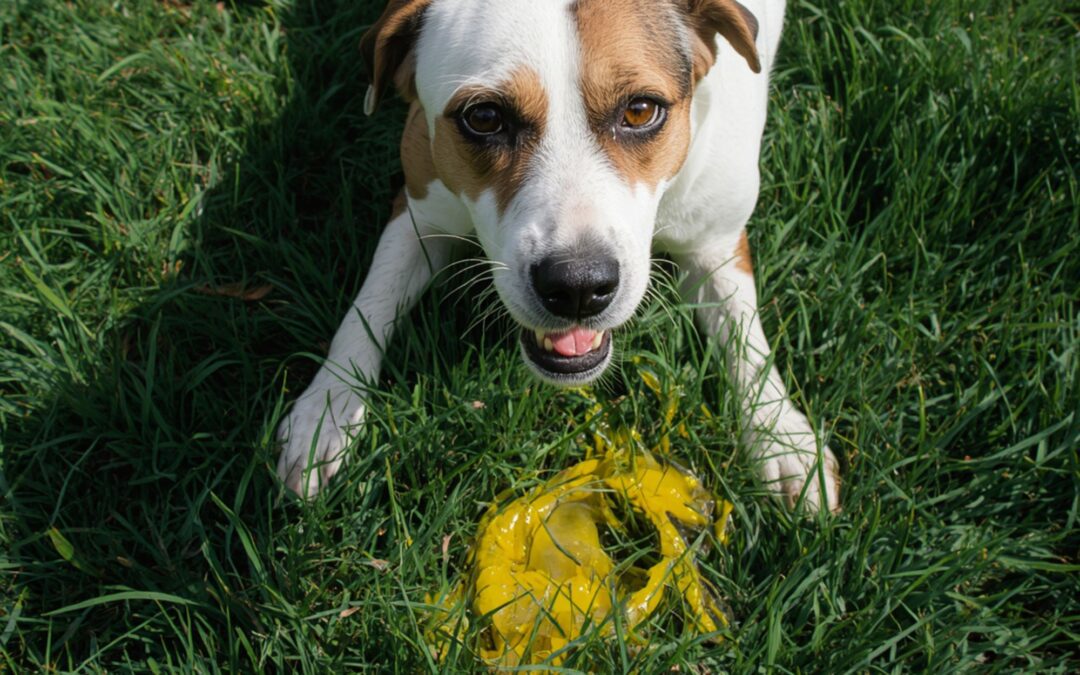
Dog vomiting yellow bile is most often caused by an empty stomach, where bile irritates the stomach lining and triggers vomiting. This typically happens in the morning or after long gaps between meals and is usually harmless if it occurs occasionally. However, repeated vomiting or symptoms like lethargy, loss of appetite, diarrhea, or abdominal pain may indicate conditions such as gastrointestinal disease, pancreatitis, or intestinal obstruction that require veterinary care.
Ridgefield Veterinary Center has cared for pets in the community since 1955 and frequently sees this concern in dogs of all ages. This guide explains what causes yellow bile vomiting, when it is normal, and when to seek veterinary help.
Why Is My Dog Vomiting Yellow Bile?
Yellow bile is a digestive fluid made by the liver and stored in the gallbladder. It helps break down fats during digestion. When your dog’s stomach is empty for too long, bile can back up and irritate the stomach lining. That irritation often triggers vomiting, and the result is yellow or greenish liquid.
Bile vomit can look foamy, watery, or slightly mucousy. It usually appears in a small puddle or two. Many dogs throw it up in the early morning, after a long overnight gap between meals. This pattern, which veterinarians at the University of Illinois College of Veterinary Medicine link to bilious vomiting syndrome, often means the stomach is simply empty rather than diseased.
That said, the color alone does not tell the whole story. Bile can also show up with stomach irritation, food sensitivities, or a deeper health issue. The frequency and any other symptoms matter far more than the shade of the vomit itself.
Is Yellow Bile in Dogs an Emergency?
Yellow bile is not always an emergency. If your dog vomits once and acts completely normal afterward, you can usually monitor at home. But if your dog vomits twice or more in 24 hours, or shows other symptoms, it needs veterinary attention that same day. When in doubt, call.
The table below shows the difference at a glance. Use it as a quick gut check, not a diagnosis. Your dog’s overall behavior tells you as much as the vomit does.
| Monitor at Home | Call the Vet Now |
| One episode, then back to normal | Vomiting twice or more in 24 hours |
| Eating, drinking, and playing as usual | Refusing food or water |
| Bright, alert, normal energy | Weakness, lethargy, or hiding |
| Morning vomit that stops after a meal | Blood in vomit or a coffee-ground look |
| No belly pain | Swollen or painful belly, hunched posture |
| Normal gums and hydration | Dry gums, sunken eyes, repeated retching |
One important note for local pet owners. Our Ridgefield office is open weekdays, and we close on weekends and daily from 1 to 2 pm. If your dog shows emergency signs outside our hours, do not wait. Call the nearest 24-hour emergency hospital right away. For same-day concerns during the week, reach out to us, and we will guide you on the next steps.
Common Causes of a Dog Throwing Up Yellow Bile
Several things can cause a dog to throw up yellow bile. Some are mild and easy to manage at home with feeding changes. Others need a vet’s help quickly. Knowing the usual culprits helps you decide how worried to be and what to watch for next.
Bilious Vomiting Syndrome (Morning Vomiting)
This is the most common harmless cause. After a long fast overnight, bile drifts into the empty stomach and causes irritation. Dogs with bilious vomiting syndrome often throw up yellow foam early in the morning, then eat breakfast and feel fine. A later evening meal or a small bedtime snack usually helps.
Dietary Indiscretion
Dogs explore the world with their mouths. Eating grass, table scraps, or garbage can upset the stomach and trigger bile vomiting. In our area, raccoons and trash bins are a frequent temptation, and we see plenty of Ridgefield dogs who raided something they should not have. Keep bins secured and watch closely on walks.
Pancreatitis and GI Disease
Rich, fatty foods can inflame the pancreas, a painful condition called pancreatitis. Gastritis, ulcers, and inflammatory bowel disease can also lead to repeated bile vomiting. According to the American Kennel Club, these causes usually come with other signs like belly pain, low energy, or diarrhea. They need a proper diagnosis through our gastrointestinal services.
Foreign Body or Blockage
A swallowed toy, sock, or bone can block the digestive tract. This stops food and bile from moving normally, so the dog vomits again and again. A blockage is a true emergency. If your dog vomits repeatedly, seems bloated, or cannot keep water down, seek care immediately.
What to Do if Your Dog Is Throwing Up Yellow Bile
If your dog throws up yellow bile, stay calm and watch closely. For a single episode in a bright, happy dog, rest the stomach and monitor. For repeated vomiting or any worrying signs, skip home care and call your vet.
These simple steps help most mild cases settle down.
- Note how often your dog vomits and the time of day.
- Withhold food for 12 to 24 hours to rest the stomach.
- Offer small amounts of water once two hours pass with no vomiting.
- Watch for other symptoms like diarrhea, pain, or low energy.
- Call your veterinarian if vomiting continues or if anything seems off.
When you reintroduce water, match the amount to your dog’s size. A teaspoon suits a small dog, while a tablespoon works for a larger breed. Wait 15 to 30 minutes between sips, and stop if the vomiting starts again. Slow and steady prevents dehydration without overwhelming the stomach.
In our exam rooms, the detail that helps us most is timing. Owners who can tell us exactly when the vomiting started and how many times it happened give us a real head start on the diagnosis. A short phone video of the episode is even better. If you are unsure, our team can walk you through it during a comprehensive physical exam.
How to Prevent Bile Vomiting in Dogs
Most bile vomiting tied to an empty stomach is preventable. The goal is to keep the stomach from sitting empty so long that bile builds up and irritates the lining. Small, consistent feeding changes solve the problem for many dogs, especially those who vomit in the morning.
Start by splitting the daily food into smaller, more frequent meals. Three to four feedings spread across the day keep a steady supply moving through the gut. A small snack right before bed often stops early-morning bile vomiting in its tracks. These habits work well for sensitive stomachs.
- Feed three to four smaller meals instead of one or two big ones.
- Offer a small bedtime snack to bridge the overnight gap.
- Transition to any new food slowly over 7 to 10 days.
- Keep trash, compost, and table scraps out of reach.
If you are not sure what or how much to feed, we can build a plan that fits your dog. Choosing a quality, balanced food also supports steady digestion, and our guide on choosing the right dog food walks through what to look for. Our nutritional counseling service helps owners fine-tune meal timing, portions, and diet choices to keep digestion steady.
When to See a Vet in Ridgefield, CT
A single bile episode in a happy dog rarely needs a visit. But repeated vomiting, belly pain, blood, or low energy always does. Pairing vomiting with other changes, like new limping or stiffness, can also point to something that needs a closer look. When symptoms persist or you simply feel unsure, a vet exam brings peace of mind and catches problems early. Trust your instincts about your own dog.
Ridgefield Veterinary Center has served Ridgefield, Redding, Wilton, Danbury, and nearby New York towns for over 50 years. As a Fear Free certified practice, we keep visits calm and low-stress. If your dog is vomiting yellow bile and you want clear answers, our weekday team is ready to help.
Conclusion
A dog vomiting yellow bile is usually reacting to an empty stomach, and a few feeding tweaks often fix it. Still, repeated vomiting or extra symptoms deserve a closer look. Knowing the monitor-versus-emergency difference helps you act with confidence and respond the right way.
At Ridgefield Veterinary Center, we have helped local dog owners sort out vomiting concerns since 1955. Whether your dog had one morning episode or something that has you truly worried, our Fear Free team can examine your pet, pinpoint the cause, and build a plan to settle the stomach for good. Contact us to schedule a visit and let us help your pet feel better.
FAQs
What can I feed my dog after vomiting yellow bile?
Once the vomiting has stopped for several hours, start with a bland meal that is gentle on the stomach. Plain boiled chicken with white rice is a common choice, served in small portions. Feed little amounts often rather than one large bowl. Always check with your veterinarian before changing your dog’s diet, especially if the vomiting is frequent.
What should I do if my dog is throwing up yellow bile?
Watch your dog closely and count how many times the vomiting happens. For one episode in an otherwise normal dog, rest the stomach by withholding food for 12 to 24 hours and offer small sips of water afterward. If your dog vomits more than twice in a day or shows other symptoms, contact your vet the same day. Repeated vomiting can lead to dehydration quickly.
Does yellow vomit always mean an empty stomach?
No, an empty stomach is the most common reason, but not the only one. Bile vomiting can also come from dietary indiscretion, pancreatitis, food sensitivities, or a blockage in the digestive tract. The frequency and any other symptoms matter more than the color. If the vomiting keeps happening, a vet should rule out the more serious causes.
What is the home remedy for bile vomiting in dogs?
For mild, occasional cases linked to an empty stomach, smaller and more frequent meals plus a small bedtime snack often help. Resting the stomach briefly and reintroducing water slowly can settle a single episode. These steps suit dogs who are otherwise bright and eating well. Never give human medications, and call your veterinarian if the vomiting continues or worsens.