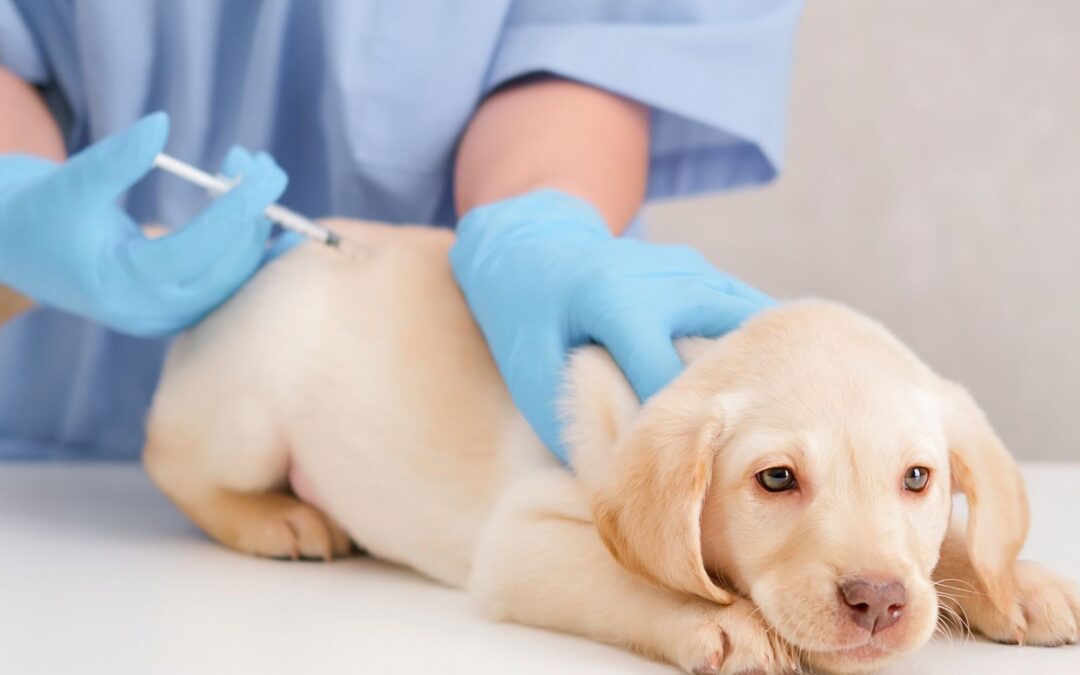
Most dogs need it every 6 to 12 months, depending on their lifestyle and risk of exposure. Dogs that visit boarding facilities, groomers, dog parks, daycare, or training classes may need boosters every 6 months, while lower-risk dogs may only need it once a year.
The Bordetella vaccine helps protect dogs from Bordetella bronchiseptica, one of the bacteria linked to kennel cough and canine infectious respiratory disease complex. Kennel cough spreads easily in places where dogs gather, especially through coughing, sneezing, close contact, and shared surfaces.
In this guide, you’ll learn how often dogs need the Bordetella vaccine, which dogs are high risk, when puppies should start, what side effects to watch for, and how to keep your dog protected beyond vaccination.
What Is the Bordetella Vaccine?
The Bordetella vaccine protects dogs from Bordetella bronchiseptica, a bacterium linked to kennel cough. This disease affects the respiratory system and spreads through contact, sneezing, or shared surfaces. According to the American Veterinary Medical Association, kennel cough is one of the most common respiratory infections in dogs, especially in social environments. Dogs with kennel cough may show symptoms like coughing, sneezing, and mild illness. While most cases are mild, some can develop into pneumonia, especially in puppies or senior dogs.
Why Do Dogs Need It?
Dogs that interact with other dogs regularly have a higher risk of infection. Even a short visit to a grooming shop or training class can expose your dog. Many boarding facilities require this vaccine before accepting pets. You can review general vaccine guidelines from the Centers for Disease Control and Prevention to understand how respiratory infections spread among animals. Even indoor dogs are not fully safe, since exposure can still happen during vet visits or walks.
How Often Should Dogs Get the Bordetella Vaccine?
Most dogs should receive the Bordetella vaccine every 6 to 12 months. The exact schedule depends on your dog’s risk level and your veterinarian’s recommendation. High-risk dogs may need boosters every 6 months, especially if they frequently interact with other dogs. Lower-risk dogs may only need a booster every 12 months.
Standard Bordetella Vaccine Schedule
Puppies may receive their first Bordetella vaccine as early as 6 to 8 weeks old, depending on the vaccine type and your veterinarian’s guidance. Adult dogs typically receive regular boosters based on their exposure level.
A general schedule looks like this:
| Dog Type | Vaccine Frequency | Notes |
| Puppies | Start around 6-8 weeks | A booster may be needed depending on the vaccine type |
| Adult dogs, low risk | Every 12 months | Best for dogs with limited exposure |
| Adult dogs, high risk | Every 6 months | Recommended for dogs in boarding, daycare, grooming, or group settings |
| Senior dogs | Vet-dependent | Based on health, immunity, and exposure risk |
This table is a general guide. Your veterinarian may recommend a different schedule depending on your dog’s health history, vaccine type, and local risk factors.
High-Risk vs. Low-Risk Dogs
Not every dog needs the same Bordetella vaccine schedule. The biggest factor is how often your dog comes into contact with other dogs.
High-Risk Dogs
High-risk dogs are more likely to be exposed to kennel cough. These dogs may need the vaccine every 6 months.
Your dog may be at high risk if they:
- Go to dog daycare
- Stay at boarding kennels
- Visit groomers often
- Attend obedience or training classes
- Spend time at dog parks
- Live in a multi-dog home
- Travel often with you
- Are around dogs with unknown vaccine status
AAHA’s canine vaccine guidance includes lifestyle risk factors such as boarding, daycare, dog shows, and close contact with coughing dogs when assessing respiratory vaccine needs.
Low-Risk Dogs
Low-risk dogs may only need the vaccine once a year, or in some cases, your vet may decide it is not necessary.
Your dog may be at lower risk if they:
- Stay mostly at home
- Rarely interacts with other dogs
- Do not go to boarding or daycare
- Have limited exposure to public dog areas
Even low-risk dogs should still have their risk level reviewed during regular vet visits, especially if their routine changes.
Types of Bordetella Vaccines
There are different types of Bordetella vaccines, and each works slightly differently. Your vet will recommend the best option based on your dog’s age, health, and exposure risk.
Intranasal Bordetella Vaccine
The intranasal vaccine is given through the nose. It is commonly used because it helps stimulate local immunity in the respiratory tract, where kennel cough infections usually begin.
Oral Bordetella Vaccine
The oral vaccine is given by mouth. Some dogs tolerate this option better than the intranasal form, especially if they are uncomfortable with nasal administration.
Injectable Bordetella Vaccine
The injectable vaccine is given under the skin. Depending on the product and your dog’s vaccine history, it may require an initial booster series before full protection is reached. Because vaccine types and timing can vary, your veterinarian is the best person to determine the right option for your dog.
How Long Before Boarding Should Dogs Get the Bordetella Vaccine?
If your dog is going to a boarding facility, daycare, groomer, or training class, ask about vaccine requirements ahead of time. Some facilities require proof that the vaccine was given within the last 6 months or at least several days before arrival.
As a general rule, it is best to schedule the vaccine at least 1 to 2 weeks before boarding or group exposure. This gives your dog’s immune system time to respond.
Tip: If your dog has an upcoming boarding stay, grooming appointment, or daycare visit, do not wait until the day before. Call your vet early so they can recommend the right timing based on the vaccine type.
What Affects How Often Dogs Need the Bordetella Vaccine?
Several factors can affect your dog’s Bordetella vaccine schedule.
Lifestyle and Exposure
Dogs that spend time in crowded or social environments have a higher risk of kennel cough. Boarding facilities, daycare centers, groomers, shelters, dog parks, and training classes can all increase exposure. If your dog’s lifestyle changes, their vaccine schedule may need to change too.
Age and Health Condition
Puppies, senior dogs, and dogs with weakened immune systems may need extra protection. These dogs may have a harder time fighting respiratory infections, so your vet may recommend a stricter vaccine plan.
Facility Requirements
Many boarding facilities, grooming salons, and daycare centers require a recent Bordetella vaccine. Some facilities require vaccination within the last 6 months, even if your dog’s usual schedule is annual.
Local Outbreak Risk
If kennel cough is spreading in your area, your vet may recommend updating your dog’s vaccine sooner than planned.
Signs Your Dog May Need the Bordetella Vaccine Sooner
Your dog may need a Bordetella booster earlier than expected if their risk level changes.
Check with your veterinarian if:
- Your dog is starting daycare
- Your dog will be boarded soon
- Your dog has a grooming appointment at a busy salon
- There is a kennel cough outbreak nearby
- Your dog’s vaccine record is outdated
- Your dog is spending more time around other dogs
- A facility requires a more recent vaccine
A quick vaccine update can help lower the risk of illness before exposure.
Risks and Side Effects of the Bordetella Vaccine
The vaccine is generally safe for most dogs. Like any vaccine, it may cause mild side effects, but these are usually temporary.
Common side effects may include:
- Mild coughing
- Sneezing
- Low energy
- Slight soreness
- Mild swelling at the injection site, if injectable
These reactions are usually short-lived and may be part of the immune response.
When to Contact a Veterinarian
Contact your veterinarian if your dog has symptoms that seem severe, unusual, or long-lasting.
Call your vet if you notice:
- Difficulty breathing
- Facial swelling
- Severe coughing
- Ongoing vomiting
- Extreme weakness
- Symptoms lasting more than a few days
- Signs of an allergic reaction
Serious reactions are rare, but quick veterinary attention helps protect your dog’s health.
What Happens If You Skip the Bordetella Vaccine?
Skipping the vaccine increases the risk of kennel cough. While many cases are mild, the illness can still spread quickly and affect other dogs. In more serious cases, untreated infections can lead to complications like pneumonia. This is more common in puppies and older dogs. Preventive care is always easier and less stressful than treatment.
How to Protect Your Dog Beyond Vaccination
Vaccination is only one part of keeping your dog healthy. Daily habits also play an important role in prevention. Maintaining clean food bowls, avoiding crowded areas during outbreaks, and supporting your dog’s immune system all help reduce risk. Regular vet checkups also help track your dog’s overall health and catch problems early.
Conclusion
As a dog owner, keeping your dog protected from kennel cough comes down to understanding the right Bordetella vaccination schedule. As this guide covered, most dogs need the vaccine every 6 to 12 months, but the exact timing depends on your dog’s lifestyle, exposure, age, and overall health. High-risk dogs may need more frequent boosters, while low-risk dogs can often follow an annual schedule. Staying consistent with vaccinations and regularly reviewing your dog’s risk factors is the best way to prevent illness and keep them safe around other animals.
At Ridgefield Veterinary Center, our experienced team has been caring for pets for decades with a strong focus on preventive care and long-term health. Schedule an appointment or call (203) 438-2658 to create a personalized vaccination plan for your dog. A simple check today can help prevent illness and keep your pet happy and healthy for years to come.
FAQs
Can dogs get Bordetella even if vaccinated?
Yes. Vaccinated dogs can still get kennel cough, but symptoms are often milder. The vaccine helps reduce the severity of illness and may lower the risk of spreading infection to other dogs.
Is the Bordetella vaccine required?
The Bordetella vaccine is not legally required for all dogs, but many boarding facilities, daycare centers, groomers, and training programs require it. Your vet may also recommend it if your dog has regular contact with other dogs.
How long does the Bordetella vaccine last?
The Bordetella vaccine usually lasts 6 to 12 months, depending on your dog’s exposure risk and the type of vaccine used. High-risk dogs may need boosters every 6 months, while lower-risk dogs may only need annual boosters.
Is the Bordetella vaccine safe for puppies?
Yes. Puppies can often receive the Bordetella vaccine starting around 6 to 8 weeks old, depending on the vaccine type and your veterinarian’s recommendation. Puppies are more vulnerable to respiratory infections, so early protection may be important.
Can indoor dogs skip the Bordetella vaccine?
Some indoor dogs may have a lower risk, but they are not completely protected from exposure. Vet visits, walks, grooming appointments, boarding, or contact with other dogs can still create risk. Ask your veterinarian whether your indoor dog needs the vaccine.