
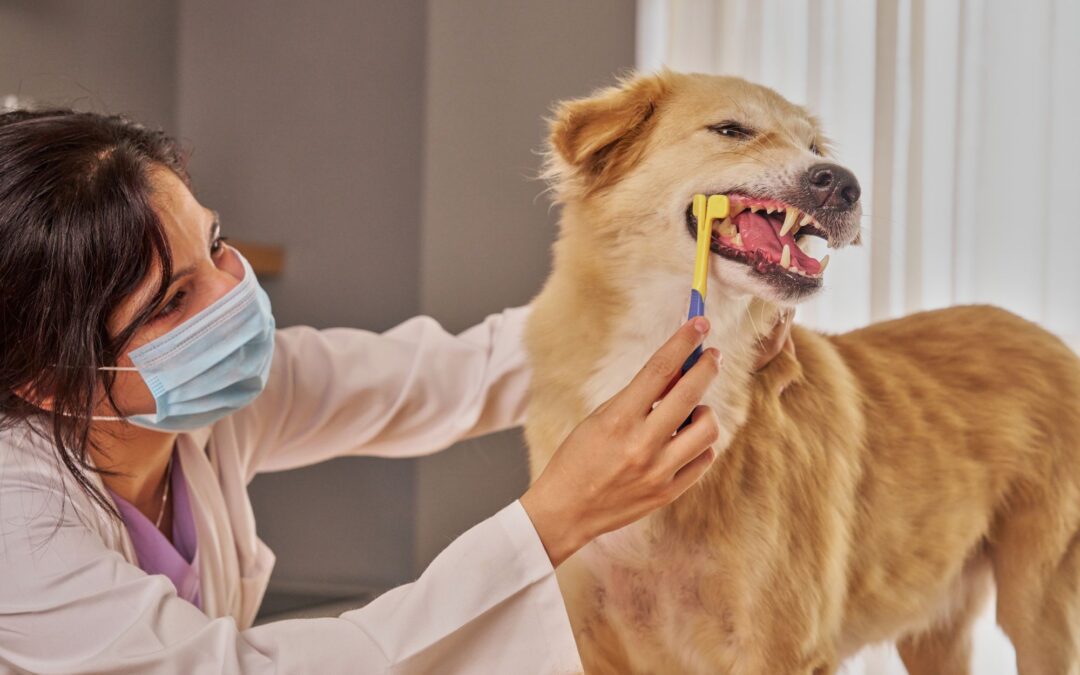
Brushing your dog’s teeth might not be the most exciting part of your day, but it’s one of the best ways to keep them healthy and happy. Just like us, dogs can get plaque, gum problems, and even lose teeth if their mouths aren’t cared for. The good news? It doesn’t have to be stressful. With a few simple tips, brushing can become a calm, easy routine that your dog even starts to enjoy.
In this guide, we’ll walk you through everything you need to know: how to brush your dog’s teeth the right way, how often to do it, and easy tips to make the process calm, enjoyable, and even fun for your furry friend. With the right approach, you can help your dog maintain a bright, healthy smile while strengthening the bond you share.
Why Is Brushing Your Dog’s Teeth Essential?
Just like humans, dogs can suffer from dental disease if their teeth aren’t cared for properly. Plaque builds up on your dog’s teeth over time, and if it’s not removed through regular brushing, it turns into tartar. This buildup can lead to gum disease and even tooth loss. By brushing your dog’s teeth regularly, you can keep their mouth clean, prevent bad breath, and avoid costly treatments down the road.
Regular brushing also helps with your dog’s overall health. According to Colorado State University JLV Veterinary Teaching Hospital, brushing is the most effective way to remove plaque from your teeth and keep them healthy. Poor oral health can affect other parts of your dog’s body, such as the heart and kidneys. So, by brushing them properly, you’re not just preventing tooth loss, but also protecting their long-term health.
What You Need to Get Started: Tools & Supplies
Before you start brushing your dog’s teeth, make sure you have the right tools. Below are the tools that you’ll need.
Toothbrush
You can choose between a finger brush or a regular dog toothbrush. A finger brush is good for puppies or dogs who are new to brushing. It’s easy to use and comfortable for both you and your dog. If your dog is used to having their mouth touched, a regular toothbrush with soft bristles works well.
Dog Toothpaste
Always choose toothpaste made just for dogs. Human toothpaste isn’t safe for pets, but dog toothpaste is designed to be swallowed and won’t harm them. Plus, it comes in fun flavors like peanut butter or poultry, which can make brushing your dog’s canine teeth and other teeth much easier. Just take note that when picking a dog toothpaste, look for gentle, pet-safe ingredients and skip anything with artificial sweeteners or harsh chemicals.
Dental Chews
Dental chews are a great way to support your dog’s oral health between brushings. They help break down plaque, reduce tartar buildup, and keep their teeth strong and healthy. Think of them as a tasty bonus that makes caring for your dog’s smile a little easier and a lot more fun.
Step-by-Step Guide: How to Brush Your Dog’s Teeth
Here’s a simple guide to help you brush your dog’s teeth effectively.
Step 1: Prepare Your Dog and the Environment
Start by sitting your dog in a calm, quiet area. You may want to have your dog sit or lie down to make the process easier. Let your dog sniff and taste the toothpaste first, so they get used to the flavor. And then, gently touch their lips to get them comfortable with the sensation of having their mouth touched.
Step 2: Start Brushing
When you’re ready to start brushing, gently lift your dog’s lips to expose their teeth. Focus on the outer surfaces of the teeth since most plaque builds up there. Use gentle circular motions to brush each tooth, making sure to get along the gum line. Avoid brushing too hard, as this could irritate their gums. If your dog resists, take it slow and remember that sessions should be short. You can gradually increase the time spent brushing as your dog becomes more comfortable.
Step 3: Gradually Increase Coverage
At first, focus on just a few teeth. Once your dog gets used to having their teeth brushed, you can gradually increase the number of teeth brushed. Start with the lower teeth and move up to the upper teeth as your dog becomes more accustomed to the process.
Step 4: Reward Your Dog
After brushing, give your dog a tasty treat or plenty of praise and pets. This helps them associate brushing with something positive. Over time, your dog will see brushing as fun instead of a chore, making it easier to keep their teeth healthy.
By following these steps, you can make brushing a positive and stress-free experience for your dog. Once your dog is comfortable with the process, you’ll be ready to decide how often to brush their teeth to keep their smile healthy and strong.
How Often Should You Brush Your Dog’s Teeth?
Ideally, you should brush your dog’s teeth every day. However, this may not always be possible. If daily brushing isn’t feasible, aim to brush their teeth at least twice a week. The key is consistency. The more regularly you brush, the better the protection against plaque, tartar, and gum disease.
Common Mistakes to Avoid When Brushing a Dog’s Teeth
Here are some common mistakes to watch out for when brushing your dog’s teeth.
Using Human Toothpaste
Never use human toothpaste on your dog. Ingredients like fluoride and xylitol, which are safe for humans, can be toxic to pets. Instead, always use a toothpaste made specifically for them
Brushing Too Roughly
It’s important to be gentle when brushing your dog’s teeth. Pressing too hard can irritate their gums or make brushing uncomfortable, which may make your dog resistant in the future. The goal is to remove plaque and keep their teeth healthy, not to scrub like you would your own teeth. Soft, circular motions along the gum line are usually best.
Neglecting the Inner Surfaces
Don’t forget the inner surfaces of your dog’s teeth. Many pet owners focus only on the outside, but plaque and tartar can build up just as easily on the inside. Gently lift your dog’s lips and brush the inner sides of the teeth, especially near the gums. Paying attention to all surfaces ensures a complete clean and helps prevent dental disease.
Training Tips for Dogs That Resist Tooth Brushing
- Start Slowly- If your dog is new to brushing, start with only a few teeth and gradually work up to brushing all their teeth.
- Use Positive Reinforcement- Reward them with treats, praise, or affection after every successful brushing session. This helps them associate brushing with something positive.
- Keep Sessions Short- Dogs have short attention spans, so it’s essential to keep sessions brief. Gradually increase the time as your dog becomes more accustomed to the process.
- Regular Vet Checkups– In addition to brushing, schedule regular checkups with your veterinarian to monitor your dog’s oral health. A vet can spot issues like gum disease or tooth loss before they become serious problems.
- Dental Chews and Food- Use dental chews and food designed to help clean your dog’s teeth. These can supplement your brushing routine and help maintain a healthy mouth.
- Signs of Dental Problems- Keep an eye out for signs of dental issues, such as bad breath, red or bleeding gums, difficulty eating, or excessive drooling. If you notice any of these symptoms, schedule an appointment with your vet.
When to Seek Professional Help?
Even with regular brushing, your dog may need professional dental care at some point. Periodontal disease and tooth loss can happen despite the best home care efforts. If your dog shows signs of dental issues or if they haven’t had a professional cleaning in over a year, it’s time to consult your veterinarian.
At Ridgefield Veterinary Center, we love helping pets stay happy and healthy. Our dental care services are here to keep your dog or cat’s teeth clean, prevent dental problems, and make sure their smile stays comfortable and pain-free. From regular cleanings to more advanced treatments, our caring team is here to give your pet gentle, personalized care every step of the way.
Conclusion
Brushing your dog’s teeth is an essential part of their dental care routine. By following this step-by-step guide, you can help prevent gum disease, tooth loss, and other serious health issues. Remember, consistency is key. Start brushing your dog’s teeth today and make it a regular part of their health routine. If you need advice or assistance, consult your veterinarian for further guidance on maintaining your dog’s oral health.
Schedule an appointment today to keep your dog’s teeth healthy and bright! Our caring team is here to support your pet’s overall health, with gentle and expert dental care every step of the way.
FAQs
Can dental treats or chews replace brushing?
Not really. Treats can help reduce plaque a little, but they don’t clean your dog’s teeth the way brushing does. Think of them as a helpful bonus, not a substitute. Brushing is still the main way to keep their smile healthy.
What toothbrush and toothpaste should I use for my dog?
Use a soft-bristled toothbrush made for dogs and toothpaste designed just for pets. Dog toothpaste is safe to swallow, which makes brushing less of a struggle and more of a treat!
Should I start brushing if my dog already has tartar buildup?
Yes. Start brushing and schedule a professional cleaning if needed to remove existing tartar.
Is brushing really necessary, or are other oral care methods enough?
Take it slow. Let your dog taste the toothpaste first, gently touch their lips, and brush just a few teeth at a time. Reward them with praise or treats, and gradually work up to brushing all their teeth.