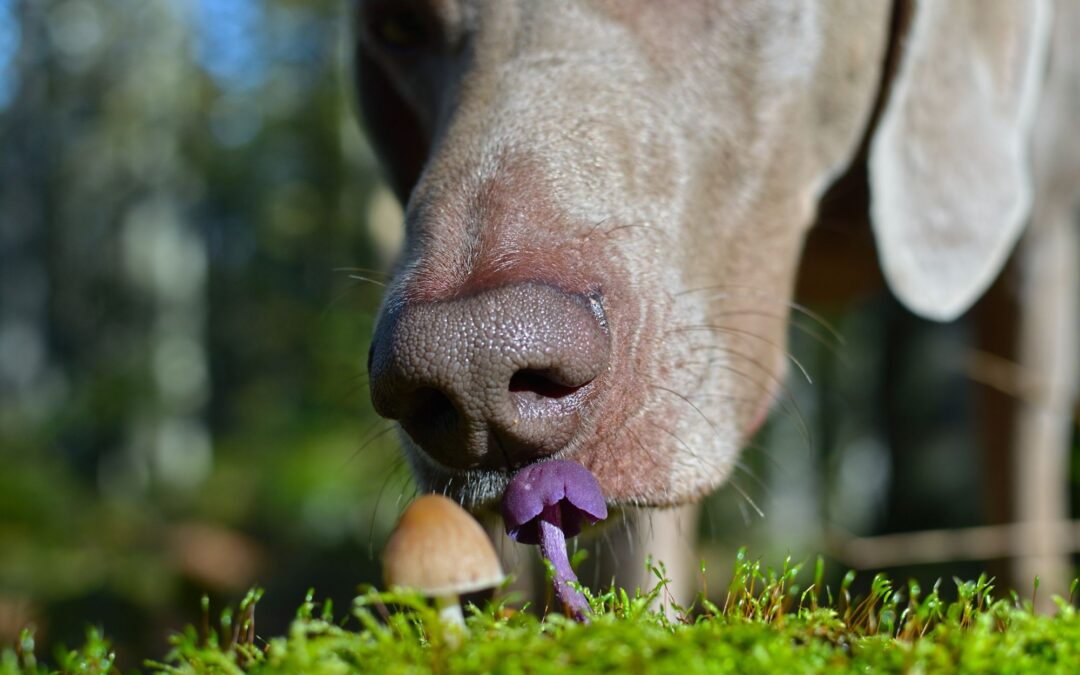
Dogs are naturally curious, and some will eat almost anything they find outdoors, including wild mushrooms. While many mushrooms are harmless, others contain toxins that can cause serious illness. Mushroom poisoning in dogs can lead to vomiting, neurological problems, liver failure, and even death. The danger depends on the mushroom species, the amount eaten, and how quickly your dog receives veterinary care.
We want pet parents to recognize the warning signs and know when to act. Whether you’re walking your dog through a wooded trail in Ridgefield, CT, or letting them explore your backyard, this guide explains the symptoms of mushroom poisoning, which mushrooms are dangerous, what to do after possible ingestion, and how to protect your furry friend.
What Are the Signs of Mushroom Poisoning in Dogs?
The most common signs of mushroom poisoning in dogs include vomiting, diarrhea, drooling, abdominal pain, weakness, and changes in behavior. Some toxic mushrooms also affect the nervous system, liver, or kidneys.
Symptoms may appear within 15-30 minutes or take several hours to develop, depending on the mushroom species. Some highly toxic mushrooms cause symptoms 6-24 hours after ingestion, while certain kidney-damaging mushrooms may not produce noticeable signs for several days. Never assume your dog is safe simply because symptoms have not appeared.
| Type of Symptom | Common Clinical Signs |
| Gastrointestinal signs | Vomiting, diarrhea, drooling, abdominal pain |
| Neurological signs | Stumbling, confusion, tremors, seizures |
| Muscarinic effects | Excessive salivation, tearing, diarrhea, slow heart rate, breathing difficulties |
| Liver damage | Loss of appetite, lethargy, jaundice, bleeding abnormalities |
| Kidney damage | Increased thirst, changes in urination, weakness |
| Severe poisoning | Collapse, seizures, organ failure, coma |
Important: Do not wait for symptoms to appear if your dog eats an unidentified wild mushroom. Contact a veterinarian immediately, even if your dog seems normal.
Early Symptoms of Mushroom Poisoning
Early gastrointestinal upset is common with several types of mushroom poisoning. Your dog may vomit, develop diarrhea, drool excessively, or show signs of abdominal discomfort. These symptoms can resemble other digestive problems, making mushroom poisoning difficult to recognize without a history of possible mushroom ingestion.
Severe Symptoms That Need Emergency Care
Some mushroom toxins cause neurological signs, including disorientation, muscle tremors, difficulty walking, and seizures. Others damage internal organs and can lead to acute liver failure or kidney injury.
A dog that collapses, has trouble breathing, experiences seizures, or becomes severely weak needs emergency veterinary care. However, even dogs without severe signs need prompt evaluation after suspected wild mushroom ingestion.
Which Mushrooms Are Poisonous to Dogs?
Finding mushrooms in your yard can be harmless, but some wild varieties are dangerous for dogs. The tricky part is that poisonous mushrooms can look very similar to safe ones, so it’s best to keep your dog from nibbling on any mushrooms growing outdoors.
Different mushrooms contain different toxins. Some upset the stomach, while others can affect the nervous system or damage the liver and kidneys.
| Mushroom Group | Examples | Main Health Risks |
| Amatoxin-containing mushrooms | Death cap (Amanita phalloides), destroying angels | Severe liver damage and liver failure |
| Isoxazole mushrooms | Certain Amanita species | Confusion, tremors, seizures, changes in alertness |
| Muscarine-containing mushrooms | Certain Inocybe and Clitocybe species | Excessive drooling, watery eyes, diarrhea, slow heart rate, breathing difficulties |
| Gastrointestinal irritant mushrooms | Several unrelated species | Vomiting, diarrhea, abdominal pain |
| Gyromitrin-containing mushrooms | Certain false morels | Gastrointestinal illness, neurological signs, possible liver injury |
| Orellanine-containing mushrooms | Certain Cortinarius species | Delayed kidney damage |
Death Cap and Destroying Angel Mushrooms
Death cap mushrooms (Amanita phalloides) and destroying angels are especially dangerous to dogs because they contain amatoxins that can cause severe liver damage. Death cap mushrooms have been documented along the West Coast and in the northeastern United States.
One concern is that signs of poisoning may take several hours to appear. Your dog might seem fine at first, then develop vomiting, diarrhea, and abdominal discomfort. Even if these symptoms seem to improve, serious liver damage may still be developing.
Without prompt veterinary treatment, poisoning can lead to liver failure and death. If you suspect your dog has eaten one of these mushrooms, contact your veterinarian right away, even if your dog seems fine.
Muscarinic and Isoxazole Mushrooms
Other poisonous mushrooms affect the body in different ways. Muscarinic mushrooms can cause excessive drooling, watery eyes, vomiting, and diarrhea. They can also slow the heart rate and make breathing difficult in severe cases.
Isoxazole mushrooms affect the brain and nervous system. A dog that eats one may seem unusually sleepy or agitated, stumble while walking, develop tremors, or have seizures.
The signs can vary depending on the mushroom and the amount eaten. If your dog may have swallowed a wild mushroom, your veterinarian can help determine what to do next.
Are Mushrooms Growing in Your Yard Dangerous?
They can be. Mushrooms often appear in Connecticut yards after rain, especially when the weather is warm and humid. While some are harmless, others can make dogs seriously ill. Check your yard regularly and remove mushrooms from areas your dog can reach. Keep your dog away from unfamiliar mushrooms during walks, too.
What Should You Do If Your Dog Eats a Wild Mushroom?
If your dog eats a wild mushroom, remove access to any remaining mushrooms and contact your veterinarian or an emergency veterinary hospital immediately. Do not wait for signs of poisoning.
Follow these steps:
- Move your dog away from the mushrooms. Prevent them from eating more while keeping yourself safe.
- Call a veterinarian immediately. Explain when the mushroom was ingested, how much your dog may have eaten, and whether symptoms have started.
- Do not induce vomiting at home. Vomiting should only be induced when a veterinarian specifically directs it.
- Collect a mushroom sample only if it is safe and quick. If you can do so without delaying veterinary care, wear gloves to collect an intact mushroom, including its base, and place it in a paper bag. Do not handle the mushroom with bare hands.
- Take photos if possible. Photograph the mushroom’s cap, underside, stem, base, and growing location. These images may help with identification if collecting a sample is not practical.
- Follow emergency care instructions. Bring the sample and photographs to the veterinary hospital if available. Do not delay calling your veterinarian or leaving for emergency care to collect a sample or take photos.
You can also contact the Pet Poison Helpline at 855-764-7661 for animal poison guidance. A consultation fee may apply. If your dog is already showing severe symptoms, head to an emergency veterinary hospital immediately.
How Do Veterinarians Diagnose Mushroom Poisoning in Dogs?
If your dog may have eaten a wild mushroom, your veterinarian will consider what your dog ate, when it happened, and any symptoms that have developed. A physical examination and diagnostic tests can help identify possible complications and determine the care your dog needs.
Because different mushroom toxins can cause similar symptoms, identifying the exact mushroom isn’t always possible right away. Your veterinarian may recommend:
- Physical examination: Check your dog’s hydration, heart rate, breathing, temperature, and neurological signs.
- Blood tests: Evaluate liver enzymes, kidney function, blood glucose, and electrolyte levels.
- Urinalysis: Look for abnormalities that may indicate kidney problems or other complications.
- Blood clotting tests: Check for problems with blood clotting, which can occur with severe liver injury.
- Mushroom identification: Review photographs or samples with a qualified mushroom specialist when available.
In difficult cases, your veterinarian may consult a veterinary toxicologist or a mushroom identification specialist. The North American Mycological Association is another resource for information about mushroom identification.
At Ridgefield Veterinary Center, our pet diagnostic services include physical examinations and laboratory testing to help evaluate your dog’s condition and identify possible complications.
How Is Mushroom Poisoning in Dogs Treated?
Treatment for mushroom poisoning depends on the suspected toxin, the time since ingestion, and your dog’s symptoms. Dogs treated quickly have a better chance of a successful outcome, although some toxins can cause severe damage despite prompt care.
Veterinary treatment may include:
| Treatment | Purpose |
| Veterinarian-induced vomiting | Remove recently ingested mushroom material when medically appropriate |
| Activated charcoal | Reduce absorption of certain toxins in selected cases |
| Intravenous fluids | Support hydration, circulation, and organ function |
| Anti-nausea medications | Control vomiting and reduce fluid loss |
| Liver support medications | Support liver function in cases involving hepatotoxic mushrooms |
| Seizure-control medications | Manage tremors or seizures caused by neurological toxins |
| Hospital monitoring | Track liver function, kidney function, blood clotting, and recovery |
In severe cases, dogs may require intensive care, repeated blood testing, or referral to a specialty veterinary hospital. Some mushroom toxins have no specific antidote.
For amatoxin poisoning, veterinarians may use specialized treatments alongside supportive care, but severe liver damage can still carry a poor prognosis. Never give activated charcoal, human medications, or home remedies without veterinary instructions.
Can Dogs Survive Mushroom Poisoning?
Yes. Many dogs recover from mushroom poisoning when they receive prompt and appropriate treatment. However, survival depends on the mushroom species, the amount ingested, the organs affected, and how early treatment begins.
Dogs that eat mushrooms causing mild gastrointestinal upset often recover with supportive veterinary care. Dogs exposed to highly toxic mushrooms, especially those containing amatoxins, face a much greater risk of acute liver failure and death.
Some dangerous mushroom toxins cause delayed illness. A dog that appears healthy shortly after eating a mushroom is not necessarily safe. Early veterinary evaluation gives your dog the best opportunity for a successful outcome.
How Can You Prevent Mushroom Poisoning in Dogs?
Preventing mushroom ingestion is the safest way to protect your pet, especially if your dog has indiscriminate eating habits or likes to investigate unfamiliar objects outdoors.
Here are practical ways to reduce the risk:
- Inspect your yard regularly. Remove mushrooms growing in areas your dog can access, especially after rainfall.
- Supervise outdoor play. Watch your dog in wooded areas, parks, and unfamiliar yards.
- Practice the “leave it” command. Reward your dog for ignoring mushrooms and other objects on the ground.
- Use a leash on walks. Keep your dog away from mushrooms along trails and grassy areas.
- Remove mushrooms safely. Wear gloves, collect the entire mushroom when possible, and dispose of it where pets cannot reach it.
- Check shaded and damp areas. Look near trees, mulch, decaying wood, and garden beds where mushrooms commonly grow.
Even experienced mushroom enthusiasts can struggle to distinguish poisonous mushrooms from harmless ones. Do not rely on color, size, smell, or internet photographs to determine whether a mushroom is safe.
Conclusion
Mushroom poisoning in dogs can cause anything from digestive upset to life-threatening organ damage. Because symptoms may take hours to appear, contact a veterinarian promptly if your dog may have eaten a wild mushroom.
At Ridgefield Veterinary Center, our pet diagnostic services include physical examinations and laboratory testing to help evaluate your dog’s condition. Contact us today if you’re concerned about possible mushroom ingestion. If your dog needs immediate treatment, contact an emergency veterinary hospital without delay.
FAQs
How much of a poisonous mushroom can hurt a dog?
Even a small amount of certain poisonous mushrooms can cause serious illness. The risk depends on the mushroom species, the toxin concentration, and your dog’s size. A single highly toxic mushroom can contain enough toxins to cause life-threatening poisoning, particularly in a small dog.
Can a dog get mushroom poisoning from licking a mushroom?
Simply licking an intact mushroom is generally less concerning than swallowing one. However, if your dog bites off or swallows mushroom material, poisoning becomes a concern. Contact your veterinarian if you’re unsure whether any part of the mushroom was ingested.
Can mushroom poisoning symptoms disappear and then return?
Yes. Certain mushrooms, particularly those containing amatoxins, can cause an apparent improvement after the first period of vomiting and diarrhea. This temporary improvement does not mean your dog has recovered. Serious liver damage may continue developing even when the initial symptoms disappear.
Are store-bought mushrooms poisonous to dogs?
Plain, commercially grown mushrooms such as button mushrooms and portobello mushrooms are generally not toxic to dogs. However, mushrooms cooked with garlic, onions, butter, or heavy seasonings can cause other health problems. Avoid feeding your dog seasoned mushroom dishes.
How long does it take for a dog to recover from mushroom poisoning?
Recovery time varies depending on the mushroom toxin and severity of poisoning. Dogs with mild gastrointestinal symptoms may improve within a day or two after treatment, while dogs with liver or kidney damage may require several days of hospitalization and continued monitoring. Some severe cases can result in permanent organ damage or death.