
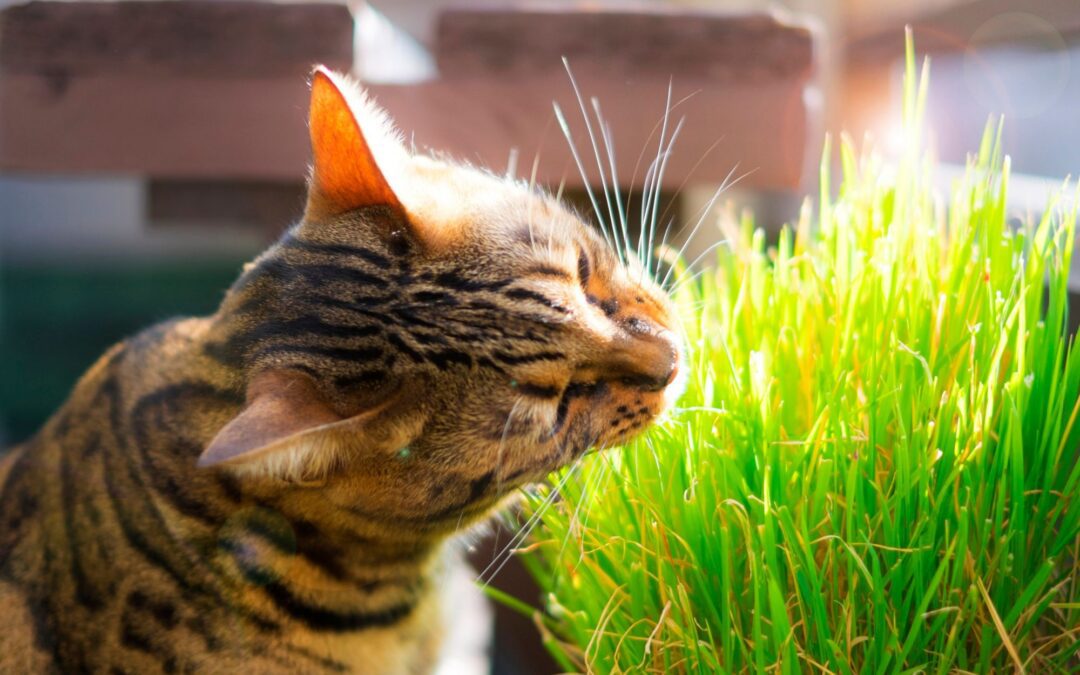
For cat owners who love indoor greenery, choosing the right plants is essential. While houseplants bring a bit of outside magic into your space and can even help purify the air, the reality is that some of them can be super toxic to our feline friends. In fact, they can cause some health problems. But don’t worry, there’s a whole ton of non-toxic plants for cats that create a safe, harmonious vibe for your pets and your family. In this guide, we’ll point out some cat-safe houseplants, give you some general care tips, and share a few practical strategies to keep your little furry critters out of trouble.
Why Non-Toxic Plants for Cats Matter?
Cats are naturally nosy and can’t resist a good munch. And while a little nibbling might seem harmless, some plants have toxins that can send your cat into a tailspin, such as vomiting, drooling, lethargy, loss of appetite, or even worse. By sticking to non-toxic, pet-friendly plants, you can give your cat a safe space to explore and indulge their natural curiosity.
Cat-Safe Plants That Beautify Your Home
Here are some popular cat-safe houseplants that are easy to care for and look great:
- Spider Plant (Chlorophytum comosum)- A classic low-maintenance plant with long, arching leaves. Thrives in bright indirect light or partial shade, and prefers soil moist but not waterlogged. You can also grow baby spider plants from offsets.
- Polka Dot Plant (Hypoestes phyllostachya)- Features vibrant pink or white-speckled fleshy leaves. Prefers bright light and evenly moist soil for best growth.
- Prayer Plant (Maranta leuconeura)- With heart-shaped leaves, this pet-safe plant folds at night. It loves a humid environment and indirect sunlight.
- Air Plants (Tillandsia)- Soil-free, low-maintenance houseplants that need bright light and occasional misting. Perfect for hanging baskets or creative displays.
- Baby Rubber Plant (Peperomia obtusifolia)- Pet-friendly houseplants with glossy green foliage. Thrives in medium indirect light and well-draining soil.
- Snake Plants and Parlor Palm- Low-light houseplants that survive low light conditions, making them ideal for apartments.
The American Society for the Prevention of Cruelty to Animals has also released a list of plants that are toxic and non-toxic for cats. This makes it easier for pet owners to know which plants to keep in their homes and which ones to avoid.
Essential Care Tips for Pet-Safe Plants
Even non-toxic plants require attention to thrive. Light, soil, water, and humidity play crucial roles in plant health. Bright indirect light suits spider plants and polka dot plants, whereas snake plants and parlor palms tolerate low-light conditions. Soil should generally remain moist but not waterlogged, and plants like the baby rubber plant and air plants benefit from well-draining soil to prevent root rot. Maintaining a moderate indoor temperature and, for certain species like the prayer plant, higher humidity will support optimal growth and longevity.
Protecting Cats Around Plants
To protect both your plants and your pets, consider placing plants on high shelves or in hanging baskets. Deterrents, including non-toxic sprays or natural repellents like citrus peels, can discourage unwanted chewing, while plants with textures cats tend to avoid, such as fuzzy or tiny leaves, can further reduce temptation.
Common Mistakes to Avoid
Even when choosing plants for cats, pet owners sometimes make mistakes that affect both their plants and their pets. One frequent error is assuming all indoor plants are safe. While spider plants and polka dot plants are completely harmless, species like sago palms, aloe vera, and poinsettias are toxic to cats and dogs, so it’s essential to verify that each plant is cat-safe before bringing it into your indoor space.
Another common mistake is neglecting plant care requirements. Even cat-friendly plants and pet-safe plants need the right combination of light, water, humidity, and soil conditions. For example, the prayer plant thrives in bright indirect light and a humid environment, while air plants need natural light and occasional misting. Failing to meet these needs can result in stunted growth, yellowing leaves, or plant death.
Finally, many owners forget that plants for cats are not chew-proof. Cats may pull leaves, knock over pots, or dig into moist soil. Offering safe alternatives like cat grass and placing plants in hanging baskets or on high shelves can help protect your greenery while keeping your furry friends safe. By understanding plant care and how cats interact with greenery, you can maintain a beautiful indoor space where both your pets and pet-safe plants flourish.
Conclusion
Choosing cat-friendly plants lets you bring some outside environment into your home without worrying about your cats getting into trouble. With a bit of tender love and care, a spot with bright yet indirect light, and a well-thought-out spot to sit, you can create a lovely little oasis for both your plants & your feline pals.
At Ridgefield Veterinary Center, we understand that your pet’s well-being is a top priority. If you have any questions about safe plants or your cat’s health, our team is here to provide guidance and support to ensure a happy, healthy home for your furry companions. Contact us today to schedule an appointment and learn more. We’re here for every tail, whisker, and paw!
FAQs
What indoor plants can I have with a cat?
Many indoor plants are safe for cats and make your home beautiful at the same time. Some excellent options include Haworthia (a safe alternative to Aloe), Swedish Ivy, Cat Grass, African Violets, Spider Plants, Boston Ferns, Prayer Plants, Christmas Cactus, Air Plants, Cast Iron Plants, Money Trees, Baby Rubber Plants, Watermelon Peperomia, and Parlor Palms. These plants are non-toxic and generally safe for cats to be around.
What plants are safe for cats to chew on?
Safe choices for chewing include Cat Grass (barley, oats, or wheat), Lemongrass (in small amounts), Phalaenopsis Orchids, and Swedish Ivy. Always monitor your cat when introducing new plants, as too much chewing can cause mild stomach upset.
What indoor plants are pet safe?
Many houseplants are non-toxic to both cats and dogs. Safe options include African Violets, Spider Plants, Boston Ferns, Prayer Plants, Christmas Cactus, Air Plants, Cast Iron Plants, Money Trees, Baby Rubber Plants, Watermelon Peperomia, and Parlor Palms. These plants add beauty and greenery without risking your pet’s health.
What plants clean the air and are safe for cats?
Certain plants not only look great but also help purify indoor air. Spider Plants, Boston Ferns, and Parlor Palms are all cat-safe options that help remove pollutants and keep your home fresh.