
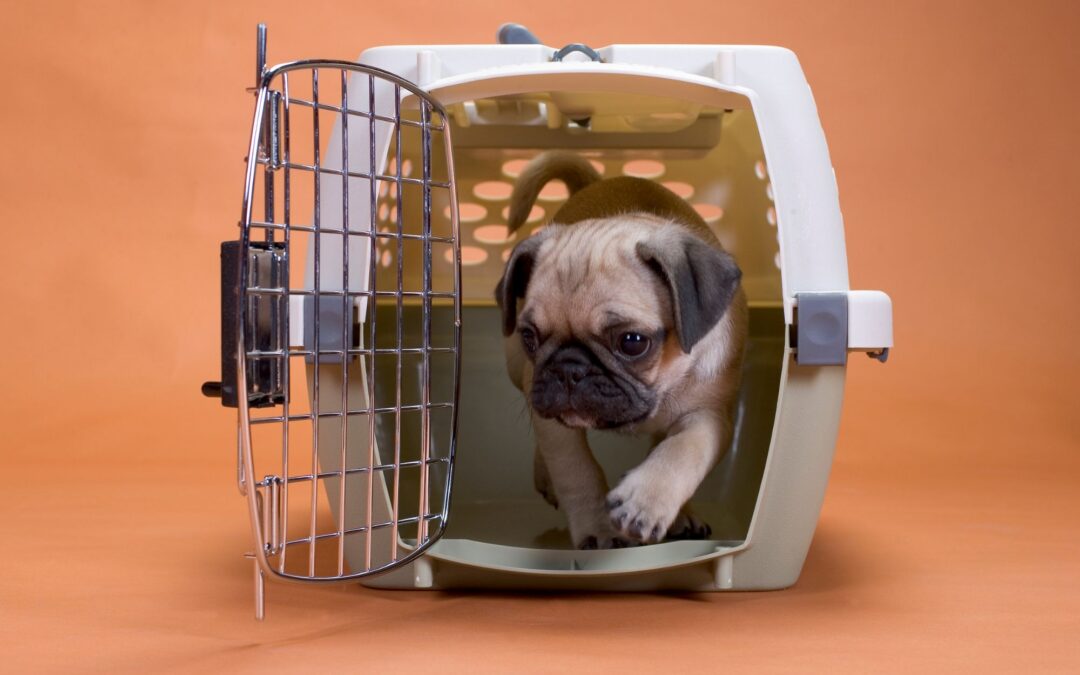
Choosing the right pet cage for travel is one of the most important steps when planning a trip with your pet. It does more than carry your pet. It also helps keep them safe, calm, and comfortable during the journey. Many pet owners start by looking at price or popular brands. That is normal, but safety should come first. A good pet carrier should fit your pet’s size and weight and support their needs. It should also match how you plan to travel. If you are flying, airlines have strict rules for carrier size, airflow, and placement. Planning early can save you time and stress, especially for long or international trips.
What Does a Pet Cage for Travel Really Mean?
A “pet cage for travel” can refer to several things. It may be a soft carrier, hard carrier, kennel, or travel crate. While pet owners often use these terms interchangeably, they only point to the same idea: a secure, enclosed space designed to safely transport your pet.
The type you need depends on how you’re traveling. Soft carriers are typically used for small pets in the cabin of a plane, while larger dogs usually require a more durable, hard-sided kennel for cargo travel. For everyday situations, you might already use a carrier for vet visits, but that doesn’t always make it suitable for longer trips. A proper travel carrier should hold its shape, provide good ventilation, and remain securely closed when lifted, placed under an airplane seat, or moved through security.
If you’re flying, there’s one more critical factor: airline requirements. Each airline has its own rules, and pets can be denied boarding if the carrier doesn’t meet them. That’s why it’s important to double-check guidelines in advance. Even organizations like the American Veterinary Medical Association recommend reviewing airline policies before booking your trip.
What Is the Difference Between Pet Cage, A Pet Carrier, or Kennel?
These terms are often used interchangeably, but they don’t always mean the same thing. Understanding the difference can help you choose the safest and most comfortable option for your pet.
- A pet carrier is a lightweight, portable option you can carry by hand or with a shoulder strap. It is commonly used for cats, small dogs, and other small pets. These are often used for short trips or in-cabin travel on a plane. Many carriers are soft-sided and easy to store, while others are hard-sided for added protection.
- A kennel, on the other hand, is more solid and built for durability. It’s typically used for larger dogs, long-distance travel, or cargo transport. Kennels are a better choice for pets that may scratch, push, or chew when they feel stressed, since they offer a stronger structure and security.
- A pet cage for travel is a broader term that can refer to either a carrier or a kennel. Most people use this phrase when they’re searching for the safest way to transport a pet, especially for flights or longer trips.
In simple terms, carriers are best for small pets and short trips, while kennels are designed for bigger pets and more demanding travel.
Types of Pet Carriers for Travel
The best carrier depends on three things: where you’re going, how you’re getting there, and what your pet can handle. Each type serves a different purpose, so choosing the right one makes travel safer and less stressful.
Soft-Sided Carriers
Soft-sided carriers work best for many small pets and short trips. They are lighter, easier to carry, and often easier to store at home because they can fold when not in use. They are also common for cabin travel because many are shaped to fit under an airplane seat. This type can be a good match for a cat or small dogs when the carrier has strong mesh panels, good ventilation, and a stable bottom. The added bonus is that a soft-sided carrier is often easier to move through airports, cars, and waiting areas. Still, quality matters. A weak zipper, poor material, or soft base can turn a simple trip into a problem.
Hard-Sided Carriers
Hard-sided carriers are often better if you want more protection. They hold their shape well, are easier to wash, and can work well for both car trips and some airline uses. If your pet gets nervous and pushes hard against the sides, a hard carrier may feel more secure. They are also easier to spot clean after a long journey. If your pet has an accident, you can usually wash the surface more fully than fabric bags. For many pet owners, that matters as much as price.
Kennels for Large Dogs
For larger pets, a kennel is often the safest option. A good kennel gives your dog room to move comfortably while standing, sitting, lying down, turning, and stretching without bumping into the walls. Make sure it’s tall enough so your dog’s head (and even their tail) won’t touch the top.
On airlines that allow pets in the cabin, only small dogs and cats that fit comfortably in under-seat carriers are allowed, and owners must care for them during layovers. Pets that are too large for cabin carriers may need to travel in the cargo hold, which is heated, ventilated, and secure. According to the International Air Transport Association, this environment can actually help pets rest more easily, as it is quieter and darker than the cabin. Always check airline guidelines before traveling, since each company may have slightly different rules for carrier sizes and cargo travel.
How to Choose the Right Size
Choosing the right size is one of the biggest factors in a good purchase. Your pet carrier should not be too tight, but it should not be too loose either. A pet that slides during transport can feel less secure. Start with your pet’s length, height, and weight. Measure from the nose to the base of the tail, and from the floor to the top of the head or ears when standing. Then compare those details with the carrier instructions from the brand or airline.
Here is a simple guide:
| What to Check | What You Want |
| Length | Enough room to lie down without curling too tightly |
| Height | Enough room to stand without crouching the whole time |
| Width | Enough room to turn around |
| Weight limit | The carrier must support your pet’s full weight safely |
| Ventilation | Open airflow on multiple sides when possible |
| Security | Strong zipper, latch, or lock that stays secure |
For air travel, the final size choice should also be about airline limits. Most airlines have limited cabin space, so carrier dimensions matter.
Features That Matter Most
A strong article should not only list product features. It should explain why they matter for real pets and real trips. Here’s what to look for in a top-notch pet carrier:
- Breathable ventilation: Steady airflow is a must, especially during flights, security lines, or long waits. Carriers with tiny air holes can trap heat, which is risky for short-nosed dogs like pugs or bulldogs. Good ventilation keeps your furry friend cool and comfortable.
- Rock-solid closures: Weak zippers or loose fasteners are accidents waiting to happen. A carrier that can’t hold up in a busy airport or parking lot is risky. That’s why choose a carrier with strong closures to keep your pet safely inside, no matter what.
- Smart materials: Soft carriers are lightweight and perfect for everyday trips, while hard-shell carriers offer extra protection and are easy to clean. Choose what works best for your pet’s personality and your travel plans.
- Accessibility: Top openings help place a nervous cat safely inside, while side openings work well for calm dogs. Some carriers even offer multiple openings to give you flexibility for any situation.
Airline Approved Carriers and What Most Airlines Expect
Most airlines that allow pets in the cabin only accept small pets in carriers that fit under the airplane seat. That means your pet carrier usually needs to be:
- small enough for the cabin space
- secure enough to stay closed during the flight
- well ventilated
- leak-resistant or easy to clean
- strong enough to hold its shape
Some airlines have breed restrictions, heat restrictions, or seasonal rules. This is one reason many companies tell owners to contact the airline before making final plans.
Car Travel vs. Plane Travel
Traveling with your pet can be an adventure or a challenge. Understanding these differences helps you choose the safest, most comfortable option for your furry friend
| Travel Type | What It’s Like for Your Pet | Why It Matters | Who It’s Best For |
| Car Travel | You control breaks, water, and supervision. | Pets stay calmer and safer when they can move a little, drink water, and get reassurance from you. Securing them prevents injuries in sudden stops. | Most pets, especially anxious ones or those who need frequent breaks. Great for short drives or long road trips with stops. |
| Plane Travel | Faster but stricter rules, more waiting, temperature changes, and confined spaces. | Stress and discomfort can rise quickly if pets are confined too long or exposed to unfamiliar sights and sounds. Proper carriers, preparation, and timing reduce these risks. AVMA warns brachycephalic dogs are especially vulnerable. | Healthy pets who tolerate confined spaces. Not ideal for pets with breathing problems, extreme stress, or certain medical conditions. |
In short, the key to a smooth trip with your pet is being prepared. Securing your pet in a proper carrier, planning for breaks, and knowing the potential risks ensures a smoother, safer trip. By understanding these pros and cons, you can make the journey as stress-free as possible.
When You Should Not Travel Without Talking to a Veterinarian First
You should contact a veterinarian before travel if your pet is very young, older, pregnant, has heart or breathing issues, is recovering from illness or surgery, or has shown panic during past trips.
You should also ask before traveling if you are thinking about sedation. Some pet owners assume calming medicine is always the answer. It is not that simple. Sedation changes how a pet responds to stress, temperature, and balance, which is why it should never be a casual decision. A pre-travel exam is the right time to talk through that risk with your veterinarian.
At Ridgefield Veterinary Center, this is where your care plan becomes practical. You can review your pet’s age, health history, behavior, and route before the trip begins.
How to Prepare Your Pet Before the Trip
A good pet cage for travel helps, but it will not fix everything if your pet is not used to it. Preparation is what makes the biggest difference. Most pets feel stress when they are placed in a new space and moved around. You can reduce that stress by helping your pet get familiar with the carrier before the trip.
Start by placing the carrier in your home several days or weeks before travel. Leave the door open and allow your pet to explore it on their own. Add a blanket, toy, or item that smells familiar. This helps your pet connect the carrier with comfort instead of fear. If your pet is hesitant, use small treats to encourage them to step inside, but do not force them.
Once your pet is comfortable going in and out, begin short practice sessions. Close the carrier for a few minutes while your pet is calm. Then carry them around the house. After that, try a short car ride. Keep each stage simple and controlled. This step-by-step approach helps your pet adjust to movement, sound, and limited space without feeling overwhelmed.
From a veterinary standpoint, this stage matters more than most pet owners expect. Pets that are not prepared are more likely to panic, refuse the carrier, or show signs of stress during travel. That stress can lead to heavy panting, shaking, or attempts to escape, which increases risk during transport.
You should also review the full travel process early. If you are flying, check airline rules, carrier size limits, and any required documents. Some airlines may refuse boarding if the carrier does not meet their standards. For international travel, preparation may take longer due to health certificates and country-specific requirements.
Here is a simple checklist to guide you before your trip:
| Step | What to Do |
| Carrier fit | Confirm size, weight limit, and airline approval |
| Comfort setup | Add a washable liner, towel, or familiar item |
| Health prep | Pack medical records and contact details |
| Travel details | Confirm booking, payment, and airline instructions |
| Practice runs | Test the carrier before the trip, not on the same day |
If your pet has never traveled before, is older, or has a medical condition, it is a good idea to speak with your veterinarian before your trip.
Signs Your Pet Is Stressed During Travel
Watch for these signs during your trip:
- Panting or heavy breathing, even when the temperature is normal
- Pacing, restlessness, or constant movement inside the carrier
- Crying, whining, or excessive barking
- Drooling more than usual
- Hiding, freezing, or trying to stay still for long periods
- Scratching or pushing against the carrier walls
- Refusing to enter the carrier
For specific behavior:
- A cat may flatten its ears, freeze, or try to hide
- A dog may shake, bark more than usual, or push against the sides
These behaviors help you understand if your current setup is working. If your pet refuses the carrier, they may need more time in the training stage. If your pet shows signs of overheating or breathing stress, you may need a different carrier, shorter travel plans, or a medical review before flying.
Common Mistakes Pet Owners Make
Many issues during travel come from simple mistakes that are easy to avoid. Watch for these:
- Choosing a carrier based on looks alone. Some bags may look attractive in online sites, but they may not have the support, airflow, or structure needed to protect your pet and keep them comfortable.
- Assuming “airline approved” means accepted everywhere. Each airline has its own rules, and they can change. Always review airline policies and confirm details through your booking account or direct contact before your trip.
- Waiting too late to prepare. Travel with pets often includes forms, communication with airlines, and reviewing carrier requirements. Some trips may also require health documents. Starting late can lead to delays or refusal at check-in.
- Ignoring your pet’s health and behavior. Not every pet handles travel the same way. Some pets may be fine in a car but not during flying. Others may be safe in the cabin but not in cargo. Your plan should match your pet’s condition to help keep your pet happy and safe.
- Skipping product checks before purchase. Reading a review and comparing features across trusted sites can help you choose a carrier that is durable, easy to clean, and fully covered for travel needs.
- Not testing the carrier ahead of time. If your pet refuses the carrier on the day of travel, it can disrupt your plans. Early testing helps your pet adjust and reduces stress.
Avoiding these mistakes helps protect your pet, improves safety, and makes the overall travel experience smoother.
Cleaning, Storage, and Everyday Use
A pet carrier should work for more than one trip. Easy storage helps if you live in a smaller space. A fold-flat design can be useful. So can removable pads that you can wash. After each trip, spot-clean the inside and wash any removable surfaces. Check the zippers, handles, mesh, and base before storing it.
If you want the carrier for both travel and everyday vet visits, pick one that balances comfort with durability. Every day use should not mean low quality. A good carrier should still protect your pet if the journey gets longer than expected.
Where to Purchase and What to Compare
You can purchase from several places, but not all options offer the same quality or support. Where you buy your carrier can affect product reliability, return options, and whether the carrier meets airline standards.
Most pet owners choose from three main options:
- Online stores and large retail sites: These give you access to more brands, wider stock, and easier price comparison. Many sites also show verified reviews, product details, and shipping options.
- Local pet supply stores: Buying in-store lets you check the carrier directly. You can test the material, confirm the size, and see how secure it feels before you buy. This is helpful if you want to avoid issues with incorrect sizing or weak structure.
- Airline or travel-approved product pages: Some airlines or partner companies list carriers that meet their specific requirements. This can reduce the risk of refusal at check-in, especially for air travel.
What to Compare Before You Purchase
When comparing options, focus on how the carrier will perform during your trip, not just how it looks online.
Start with the basics:
- Check the dimensions and weight limit to confirm your pet fits comfortably
- Review if the carrier is airline-approved, especially for cabin use
- Look at the material quality to make sure it is durable and will not collapse
Then move into practical use:
- Check if the carrier has good ventilation on multiple sides
- Make sure the structure is secure with strong zippers or locks
- Look for easy access points to place or remove your pet safely
- Confirm if it is easy to clean, wash, or spot clean after use
You should also review real user feedback:
- Read the review section to see how the carrier performs during actual travel
- Compare feedback across different sites, not just one platform
- Look for comments about durability, airline acceptance, and comfort
Note: Price matters, but don’t let it be your only guide. Balance cost with quality and features to avoid surprises or extra expenses.
Conclusion
At Ridgefield Veterinary Center, we’re here to help make every trip with your pet safe and worry-free. We can guide you in picking the right carrier, making sure it fits your pet, keeps them comfortable, and works for your type of travel. With a little planning, your pet can stay calm and secure from start to finish.
If your pet has never traveled, has health concerns, or you’re planning to fly, reach out to us today. We’ll help you choose the safest carrier, answer your questions, and make a travel plan that keeps your pet happy and protected every step of the way.
FAQs
How do I choose the right pet carrier for travel?
Choose a carrier that fits your pet’s size and weight, offers good ventilation, and has secure closures. For air travel, make sure it meets airline and industry requirements, such as those outlined in the IATA Live Animals Regulations, so your pet stays comfortable, safe, and calm throughout the trip.
Can I bring my cat or dog into the cabin?
Many airlines allow small pets in the cabin if the carrier fits under the seat in front of you. Policies vary by airline and destination, so always check ahead of time. The official Flying with a Pet guidance from the U.S. Department of Transportation explains how airlines handle cabin pets and what restrictions may apply.
How early should I prepare for pet travel?
Start as soon as you decide to travel. For international trips, paperwork, vaccinations, and health certificates may take weeks or months. So, plan early.
How can I reduce my pet’s stress during travel?
Help your pet feel more at ease by letting them get familiar with their carrier well before travel, and bring comfort items like their favorite blanket or toy. On long car trips, take frequent breaks. For flights, arrive early and follow airline check‑in recommendations to minimize anxiety.