
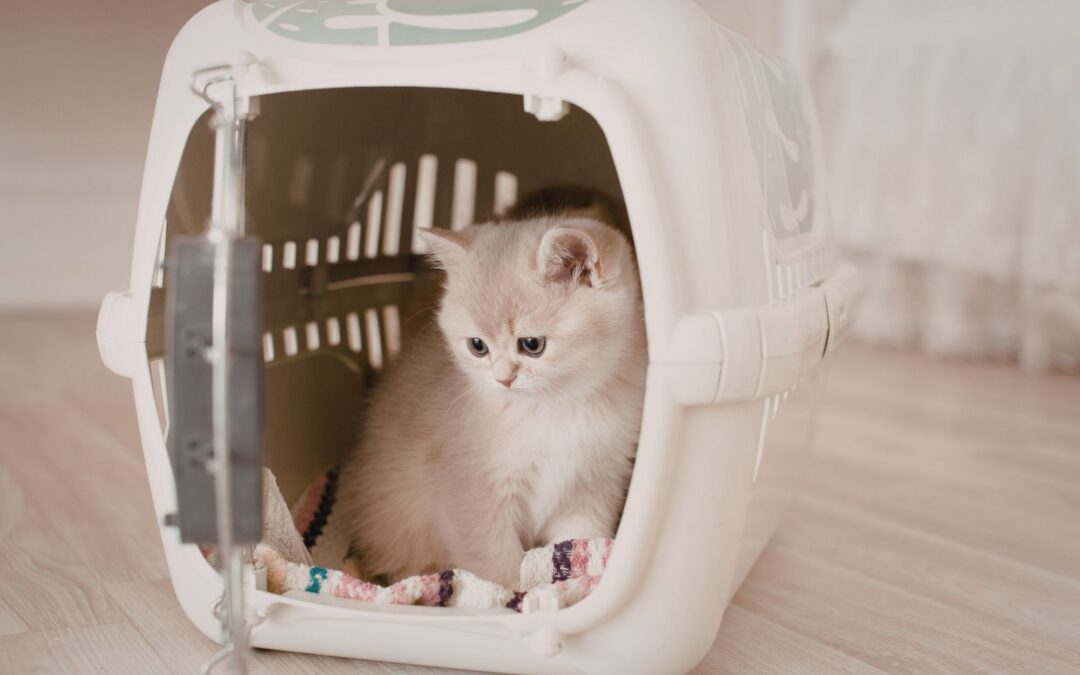
Before flying with your pet, it’s important to understand the rules for a pet carrier for plane travel, since they can affect how you prepare your dog or cat. A proper airline-approved pet carrier keeps your pet secure in the cabin, provides enough mesh ventilation, and gives your dog or cat room to lie down. Choosing the correct carrier also reduces stress for pets that are traveling for the first time.
In this article, you will learn what airlines require for pet carriers, how to choose the right size and design for your pet, and what features help keep animals safe and comfortable during air travel.
Airline Rules for a Pet Carrier for Plane Travel
Traveling with pets can be a smooth experience when you’re prepared with the right carrier. Airlines have specific rules in place to keep your furry (or feathered) friends safe and comfortable during the flight, while ensuring a hassle-free journey for all passengers. Generally, most airlines allow small pets to travel in the cabin as long as they are in a carrier that fits under the seat in front of you.
Here are the standard requirements to keep in mind:
| Requirement | Typical Rule |
| Carrier Placement | Must fit under the seat |
| Pet Weight Limit | Usually 15-20 lbs, including the carrier |
| Ventilation | Mesh panels or airflow openings |
| Carrier Type | Soft-sided carriers are often preferred |
Common Airlines That Allow Pets in the Cabin
| Airline | Pets Allowed | Typical Fee (Each Way) | Carrier/Size Rules | Other Notes |
| Delta Air Lines | Small dogs, cats, household birds (domestic fowl) | ~$125 | Pet must fit in a soft-sided carrier under the seat; recommended size ~18″×11″×11″ | Pets must stay in their carrier at all times. Spots are limited, so book early. |
| United Airlines | Small dogs and cats | ~$125 | Pet must fit in an approved carrier under the seat; no formal weight limits, but size must be small | Reserve pet spots early. Cabins have limits on how many pets are allowed per flight. |
| Southwest Airlines | Small cats & dogs (domestic only) | ~$95-$125 | One carrier per passenger; carrier must fit under the seat (~17″×10″×9.5″ max) | No pets allowed on international flights or to/from Hawaii; limited spots per flight. |
Types of Pet Carriers for Plane Travel
Not all pet carriers are built the same, and choosing the right one can make flying much easier for both you and your pet. When traveling by air, the carrier must be comfortable for your pet while also meeting airline requirements for cabin travel.
Most pet carriers designed for flights fall into a few main categories. Each type offers different features, materials, and levels of flexibility. The most common option used by travelers is the soft-sided carrier, which many airlines recommend for in-cabin pet travel.
Soft-Sided Airline Carriers
Soft-sided carriers are the most widely used airline-approved pet carriers. Their flexible structure makes them easier to fit under the airplane seat while still giving pets enough space to move and breathe comfortably during the flight.
These carriers typically include features designed for both comfort and convenience, such as breathable mesh panels for airflow, padded interiors to keep pets comfortable, and adjustable shoulder straps that make carrying easier in busy airports.
Common features of soft-sided carriers include:
- Breathable mesh panels for ventilation
- Padded interior lining for comfort
- Flexible structure that adapts to under-seat space
- Shoulder straps or handles for easy carrying
One of the main reasons airlines prefer soft carriers is their flexibility. Because they can compress slightly, they are more likely to fit under the seat compared to rigid carriers.
| Feature | Benefit |
| Flexible frame | Fits more easily under airplane seats |
| Mesh ventilation | Improves airflow for pets |
| Lightweight design | Easier to carry through airports |
| Foldable structure | Simple to store when not in use |
Many soft carriers also come with removable liners that can be washed or air-dried after the trip. This makes cleaning simple and helps keep the carrier fresh for future travel.
Hard-Sided Travel Carriers
Hard-sided carriers are another option for pet travel, especially for longer trips or situations where extra protection is helpful. These carriers are built with a solid plastic shell and a sturdy metal door, giving pets a stable and secure space during transport.
Many pet owners use hard carriers for car travel or when pets need to travel in the airplane’s cargo compartment. Because the structure is rigid and protective, they are often recommended when pets need stronger enclosure support during transit.
Hard-sided carriers typically include features such as a durable plastic body, secure locking doors, and ventilation openings along the sides to allow airflow. Their sturdy design helps protect pets from bumps or pressure during handling.
| Feature | Benefit |
| Rigid protective shell | Provides strong structural protection |
| Secure metal door | Keeps pets safely enclosed during travel |
| Durable plastic construction | Holds up well during frequent transport |
While hard carriers offer excellent protection, they are not always the best choice for cabin travel. Airplane seats have limited space underneath, and rigid carriers cannot compress the way soft carriers can. This makes them harder to slide under the seat in front of you.
| Limitation | Why It Matters for Flights |
| Rigid structure | Cannot compress to fit smaller spaces |
| Larger footprint | May not fit under standard airline seats |
For this reason, hard-sided carriers are most commonly used when pets travel in the cargo section of the aircraft. Many airlines require this type of carrier for cargo travel because the strong structure provides better protection during loading, handling, and transport.
Expandable Pet Carriers
Expandable pet carriers are a great option for pet owners who want a little more space for their pets during travel. These carriers are designed with zip-open panels that expand the sides of the bag. When opened, the carrier gives your pet extra room while you wait at the airport or sit at the gate.
During the flight, the carrier stays compact so it can fit under the seat. But when you have more space outside the plane, you can open the expandable sections. This allows your pet to stretch, turn around, or relax more comfortably while staying safely inside the carrier.
Many expandable carriers are built with features that make travel easier for both pets and owners.
Common features include:
- Expandable mesh panels that create extra space
- Removable interior pads for comfort and easy cleaning
- Small storage pockets for treats, documents, or travel items
- Padded shoulder straps that make carrying more comfortable
One of the biggest benefits of an expandable carrier is the extra room it provides during waiting times. When the side panels are opened, pets can stand up and stretch instead of staying in a tight space for long periods.
For many families traveling with pets, this type of carrier offers a good balance. It stays airline-friendly during the flight while giving pets more comfort during the rest of the trip.
How to Choose the Right Pet Carrier for Plane Travel
Choosing the right carrier for your pet is essential for keeping them safe, comfortable, and happy during your flight. A great carrier should offer safety, proper airflow, and enough space for your pet to move around. Here’s what to look for when selecting an airline-approved pet carrier that fits both your pet’s needs and airline requirements.
Carrier Size and Pet Comfort
Your pet should have enough space to move around comfortably inside the carrier. This includes the ability to:
- Stand
- Turn around
- Lie down comfortably
If your pet cannot move inside the carrier, it could be a problem. Most airlines may not allow boarding if the carrier is too small for your pet to move in.
Measuring Your Pet
Before purchasing a carrier for your pet, it’s important to measure them properly to ensure a good fit. Here’s how to measure your dog or cat:
| Measurement | How to Measure |
| Length | From the tip of the nose to the base of the tail |
| Height | From the floor to the top of your pet’s head |
| Weight | Your pet’s body weight, including the collar |
Many carrier brands offer two sizes to accommodate different pets, so make sure to choose one that suits your pet’s measurements.
Ventilation and Airflow
Good airflow is crucial to keep your pet comfortable during the flight. Carriers with mesh panels provide proper ventilation, allowing fresh air to circulate around your pet, which is especially important in a cabin environment where airflow can be limited. Most airlines expect pet carriers to include mesh panels for ventilation.
Look for carriers with these features to ensure your pet stays comfortable:
- Mesh panels on multiple sides for proper airflow
- Breathable lining to keep your pet cozy
- Secure zipper openings to prevent escapes while allowing easy access
These features ensure your pet has enough air during the flight, so they stay comfortable and calm.
Safety and Security Features
The safety and security of your pet are the most important factors when choosing a carrier. Make sure the carrier has reliable features to keep your pet securely inside, even during movement or when the carrier is opened. Key safety features to look for include:
- Locking zippers to prevent your pet from accidentally escaping
- Reinforced straps to keep the carrier sturdy during transport
- Interior leash clip to attach your pet’s leash and prevent escape when the carrier is opened
- Secure frame to keep the carrier in good shape, even when moving it around
Many carriers also have a leash attachment inside to keep your pet safely attached when the bag is opened for access.
Other Considerations
In addition to comfort, safety, and ventilation, think about other practical features of a great pet carrier:
- Foldable or easy storage options for trips when not in use
- Nicely padded interior lining to make your pet feel cozy
- Removable and washable liners or pads that can be cleaned after each trip
- Air-dry options for cleaning when you’re on the go
Some have a Delta-branded one from Sherpa that is likely to work on any airline but remember to read reviews from other pet owners to get a sense of the best brands and options. Look for carriers that fold flat, making it easier to store and carry.
Preparing Your Pet for Flying
Traveling by air with your pet can feel like a big adventure, especially if it’s their first time. With a little planning and the right approach, you can transform a potentially stressful experience into a smooth, enjoyable journey. Let’s break down some easy steps to ensure your pet’s trip is as stress-free as possible!
Carrier Training
The first step in preparing your pet for flying is getting them used to their airline-approved carrier. If your pet feels comfortable in their carrier, they’ll be much calmer during the flight. Start training well in advance, preferably several days or even weeks before your trip.
Here’s how to help your pet get used to their pet carrier:
- Place treats inside to encourage curiosity
- Leave the carrier open to let them explore on their own
- Allow your pet to sleep inside so they associate it with comfort
- Take short practice trips around the house or car to get them used to being inside
By making the carrier a cozy and safe space, your pet will feel more relaxed and familiar with it when it’s time to board.
Feeding and Hydration
Before your flight, it’s important to consider your pet’s feeding and hydration needs to avoid discomfort. Veterinarians typically recommend feeding your pet a few hours before the flight to prevent stomach upset.
Here’s a typical feeding and hydration schedule for travel:
| Time Before Flight | Recommendation |
| 6 hours | Light meal |
| 2 hours | A small drink of water |
| Boarding | Avoid feeding |
Always carry water and treats in your travel bag to ensure your pet stays hydrated and happy during the journey.
Managing Pet Anxiety
Traveling can be stressful for some pets, especially if they’re not used to being in a dog carrier for long periods. Here are some helpful tips to reduce anxiety and keep your pet calm during the flight:
- Place a familiar blanket inside the carrier so they have something comforting from home
- Add a toy they love to help distract and comfort them
- Use a calming pheromone spray to create a soothing environment inside the carrier
- Speak calmly to your pet through the carrier to reassure them
The goal is to keep the carrier environment cozy and familiar to make your pet feel as comfortable as possible.
Is Plane Travel Safe for Pets
For most healthy pets, flying in the airline cabin is safe as long as they’re inside a properly sized and secure carrier. However, some pets may have specific health concerns or needs that require additional preparation. It’s always a good idea to consult with your veterinarian before your flight to ensure your pet is fit for travel.
Some common travel concerns for pets include anxiety, dehydration, breathing difficulties, and temperature stress. These issues can be mitigated with proper planning and care, but it’s important to recognize them in advance. If your pet has any pre-existing health conditions or if you’re unsure about their ability to travel, seeking veterinary guidance is essential.
A veterinarian can assess your pet’s overall health and give you tailored advice to make the flight as smooth as possible for your furry companion. For more information on safe travel for pets, check out the resources provided by the American Veterinary Medical Association.
Pets That May Have a Higher Flight Risk
While flying is generally safe for pets, some may face challenges due to breed or health conditions. Certain pets are at higher risk and require extra attention before flying.
- Short-Nosed Dog Breeds (Brachycephalic): Dogs with short snouts, like Pugs, Bulldogs, and Shih Tzus, often have breathing difficulties due to their shorter airways. The confined space and stress of flying can make it harder for them to breathe. Persian cats can also face similar issues. It’s important to check with a vet before flying with these breeds.
- Elderly Dogs: Older pets may have underlying health issues that can make flying stressful. Age-related conditions, such as arthritis or heart problems, can worsen in flight. Always consult your vet to determine if flying is safe for your senior pet.
- Pets with Heart Disease or Respiratory Problems: Pets with heart or respiratory issues are at risk of worsening symptoms during flight. Reduced oxygen levels and the stress of travel can be taxing. A vet’s approval is crucial before flying.
For high-risk pets, consult a veterinarian before travel. Consider direct flights, provide a well-ventilated carrier, and keep your pet calm during the trip.
Airline Travel Checklist for Pets
Flying with your pet requires a bit of preparation to ensure a smooth journey. Use this checklist to help you get ready before boarding.
| Item | Purpose |
| Airline-approved pet carrier | Fits under the seat for cabin travel |
| Identification tag | Helps locate your pet if lost |
| Health certificate | Some airlines require it for travel |
| Vaccination records | Required travel documentation |
| Small blanket | Provides comfort and familiarity |
| Treats | Reward and comfort during travel |
Be sure to pack these items in your carry-on bag to keep everything you need easily accessible during the flight.
Conclusion
Traveling by air with your pet can be an exciting experience when you’re well-prepared. With the right carrier and a little planning, you can ensure your pet stays comfortable, safe, and stress-free during the journey. By following the guidelines for carrier selection, pre-trip training, and addressing any health concerns, you’ll set both you and your pet up for a smoother and more enjoyable flight.
At Ridgefield Veterinary Center, we’re here to make your pet’s travel experience as easy and worry-free as possible. From health assessments to advice on pet carrier requirements, our team is ready to guide you through the entire process. Reach out to us today for expert support and ensure your pet is fully ready for their next flight. Safe travels!
FAQs
What size pet carrier is allowed for plane travel?
Airlines typically allow pet carriers that fit under the seat in front of you. The standard size for most airlines is approximately 18” L x 11” W x 11” H for soft-sided carriers. However, the exact dimensions can vary by airline, so it’s crucial to check with your airline before booking. A well-fitting carrier ensures your pet’s comfort and adherence to airline policies, helping you avoid delays or boarding issues.
Can I bring my pet carrier as a carry-on for my dog?
Yes, most airlines allow you to bring your pet in a carrier as a carry-on item, provided the carrier fits under the seat in front of you. The carrier must be airline-approved. Soft-sided carriers are often preferred because they’re flexible and can fit more easily in the cabin. Make sure to book your pet’s spot early, as airlines typically limit the number of pets per flight.
Do airlines have specific pet carrier requirements for flying?
Yes, airlines do have specific requirements for pet carriers. Most airlines require that pets be transported in airline-approved carriers that fit under the seat. The carrier should have proper ventilation, often through mesh panels, to ensure airflow. Additionally, your pet should be able to stand, turn around, and lie down comfortably inside the carrier. Always check your airline’s pet policies for precise rules before traveling.
Are hard-sided or soft-sided carriers better for plane travel?
Soft-sided carriers are generally better for plane travel because they are flexible and easier to fit under the seat. They can compress slightly if necessary, which is ideal for cabin travel. On the other hand, hard-sided carriers provide more structural protection but may be harder to fit into the cabin space. For the best balance of convenience and comfort, soft-sided carriers are usually the preferred option for air travel.
How can I prepare my pet for flying in a carrier?
Preparing your pet for flying involves familiarizing them with the carrier ahead of time. Start by introducing the carrier at home several days or weeks before the flight. You can make the carrier feel like a safe and comfortable space by placing treats inside, leaving the door open, and letting your pet sleep or relax in it. Gradually take your pet on short trips in the carrier to get them used to being inside. The more comfortable your pet is with the carrier, the less stressful the flight will be.