
Clinical signs of feline dental disease often begin quietly and worsen over time. Many cats continue eating and behaving normally even while oral pain develops inside the cat’s mouth. Subtle changes near the food bowl, bad breath, or bleeding gums may signal dental disease present in the oral cavity. When dental disease in cats goes untreated, it can lead to tooth loss, severe oral inflammation, and more serious health issues connected to infectious or systemic diseases.
This article explains how to recognize signs of dental disease, outlines common dental diseases, and explains when immediate veterinary attention is needed. The goal is to help protect your cat’s dental health, comfort, and long-term quality of life.
Signs of Dental Disease in Cats You May Notice at Home
Dental problems often affect a cat’s daily habits first. Many pet owners notice changes in eating, grooming, or behavior before they see problems with the teeth.
One of the first warning signs shows up at mealtime. A cat may eat more slowly, skip meals, or hesitate before chewing. Some cats stop eating dry food and prefer soft food instead. Others may drop food from their mouth or walk away before finishing. These changes usually mean mouth pain, not a loss of appetite.
Dental disease can also cause changes inside the mouth. Bad breath is common when bacteria build up on the teeth. Tartar can make the teeth look rough, and the gums may look red, swollen, or bleed. Over time, teeth may become loose or even fall out as the disease gets worse.
Behavior changes are another sign of dental pain. A cat may paw at its mouth, shake its head, groom less, or act irritable. Cats often hide pain, so these small behavior changes are important clues that something is wrong.
Why Dental Disease in Cats Is Often Missed
According to the International Cat Care, dental problems are more common in older cats and often get worse over time. Many of these issues start when plaque builds up on the teeth and turns into tartar. This can lead to periodontal disease, which affects the teeth, gums, and nearby tissues. Cats can also have other dental problems, and many of them cause pain if not treated.
Cats’ dental disease often progresses unnoticed because cats instinctively hide discomfort. The cat’s immune system adapts to ongoing oral pain, which allows inflammation to worsen without dramatic signs. Many affected teeth cause pain below the gum line, where damage cannot be seen without an oral examination.
Dental disease also extends beyond the oral cavity. Bacteria from gum disease can enter the bloodstream and contribute to systemic diseases that affect organs such as the heart and kidneys. Untreated gingivitis increases the risk of periodontal disease, which damages tooth root structures and leads to permanent dental health issues.
Most Common Dental Diseases in Cats
Dental disease in cats includes several conditions that affect the gums, tooth roots, and surrounding bone.
Gingivitis develops when plaque causes inflammation of the cat’s gums. Gums caused by plaque buildup appear red, swollen, and prone to bleeding. When gingivitis remains untreated, it progresses into periodontal disease.
Periodontal disease damages the structures that hold teeth in place. Tooth support weakens as infection spreads deeper into the gums and bone. This leads to loose teeth, tooth loss, and chronic oral pain.
Tooth resorption is another common condition in cats. It affects multiple teeth and destroys the tooth from the inside out. Tooth resorption is painful and often invisible on the surface, which is why dental X-rays are required for diagnosis. Many cases require oral surgery or surgical intervention.
What Happens When Dental Disease Is Present
Early dental disease may show only mild oral inflammation and small areas of visible tartar. At this stage, signs of dental disease are easy to overlook.
As the disease progresses, the gum tissue becomes inflamed and bleeds more easily. Dental issues begin affecting multiple teeth, and loose teeth may develop. Eating becomes uncomfortable, leading to noticeable changes in chewing behavior.
In severe cases, cats may stop eating altogether. Severe oral inflammation, facial swelling, and intense mouth pain indicate advanced dental disease. These situations require immediate veterinary attention to prevent further health problems.
How Veterinarians Diagnose Dental Disease in Cats
A complete oral examination allows a veterinarian to evaluate the pet’s mouth, cat’s teeth, cat’s gums, and other oral structures. Many cats require anesthesia so the oral cavity can be examined safely and thoroughly.
Dental X-rays, also called dental X-ray imaging, play a critical role in diagnosis. Dental X-rays reveal damage below the gum line, including tooth root infections, bone loss, and tooth resorption. Many dental health issues remain hidden without imaging, even when the visible portion of the tooth appears normal.
Sign, Cause, and Veterinary Action
| Sign | Likely Cause | Veterinary Action |
| Bad breath | Tartar accumulation, gum disease | Oral examination, dental cleaning |
| Slow eating or missing meals | Oral pain, loose teeth | Dental X-rays, pain management |
| Bleeding gums | Untreated gingivitis | Professional dental cleaning |
| Missing teeth | Tooth resorption | Dental x, oral surgery |
| Stop eating | Severe oral inflammation | Immediate veterinary attention |
Treatment Options for Dental Health Issues
Professional dental cleaning removes plaque and tartar above and below the gum line. This process protects healthy teeth and slows disease progression.
When dental disease is advanced, treatment may include medication or oral surgery. Surgical intervention is often required for tooth resorption, infected tooth roots, or severe periodontal disease. Appropriate treatment depends on how many teeth are affected and how advanced the disease has become.
Pain management supports healing and helps restore comfort after dental cleaning or oral surgery. Reducing oral pain improves eating behavior and overall well-being.
How to Prevent Dental Disease in Cats
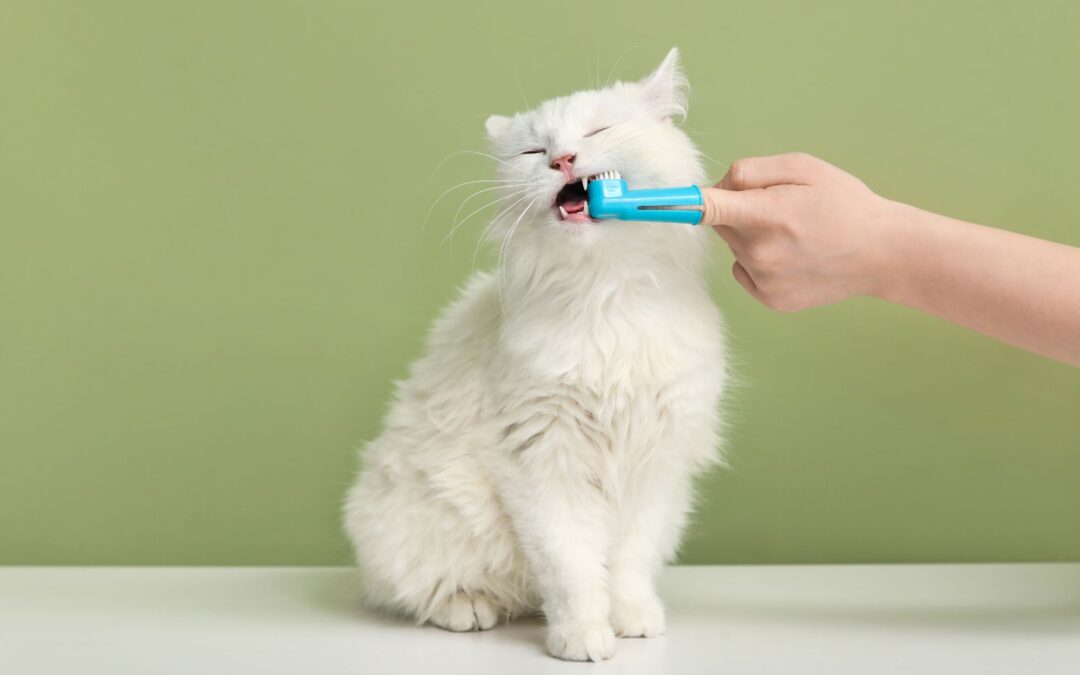
Prevent dental disease through consistent home care and veterinary oversight. Daily dental care helps limit disease-causing bacteria and plaque buildup.
Use tooth gel or only tooth gel designed for cats. An approved oral rinse may also support dental care. Human toothpaste should never be used because it can harm cats.
Dental treats approved by the Veterinary Oral Health Council help reduce plaque when used as part of a broader dental care routine.
Regular dental checkups allow early detection of dental health issues. Routine oral examination during wellness visits reduces the risk of tooth loss and more serious health issues.
When Dental Disease Leads to Other Health Problems
Dental disease allows bacteria to move from the oral cavity into the bloodstream. This increases the risk of systemic diseases affecting the heart, kidneys, and liver. Cats with untreated dental disease often show reduced energy and appetite, which affects daily comfort. Addressing oral health issues improves eating, behavior, and overall quality of life.
Medical Disclaimer
This article does not constitute medical advice. Dental disease varies between cats. A licensed veterinarian should evaluate dental problems and recommend appropriate treatment.
Conclusion
Symptoms of dental disease in cats are often easy to miss, but they carry real consequences. Dental disease does not stay limited to the mouth. Oral pain, tooth loss, and severe inflammation affect how your cat eats, behaves, and feels each day. When dental problems go untreated, they can contribute to more serious health issues over time. Paying attention to early signs and acting quickly helps protect your cat’s comfort, health, and quality of life.
At Ridgefield Veterinary Center, we have cared for pets and their families in the community since 1955. If you notice changes such as bad breath, slow eating, bleeding gums, or mouth pain, our experienced veterinary team is here to help. We offer thorough oral examinations, dental X-rays, professional dental cleaning, and treatment options tailored to your cat’s needs. Contact us today and schedule a dental exam and take the next step in protecting your cat’s oral health.
FAQs
How do you know if your cat has dental problems?
Common signs include bad breath, slow eating, dropping food, bleeding gums, pawing at the mouth, or visible tartar. A veterinary oral exam is needed to confirm dental disease.
At what age do cats start showing signs of dental disease?
Many cats show early signs by 3 to 4 years old, with risk increasing as they age.
What are the early signs of dental trouble in cats?
Mild bad breath, red gums, small tartar buildup, slower chewing, or a preference for soft food.
How do cats act when they have a bad tooth?
They may eat less, chew on one side, drop food, groom less, or become withdrawn.