
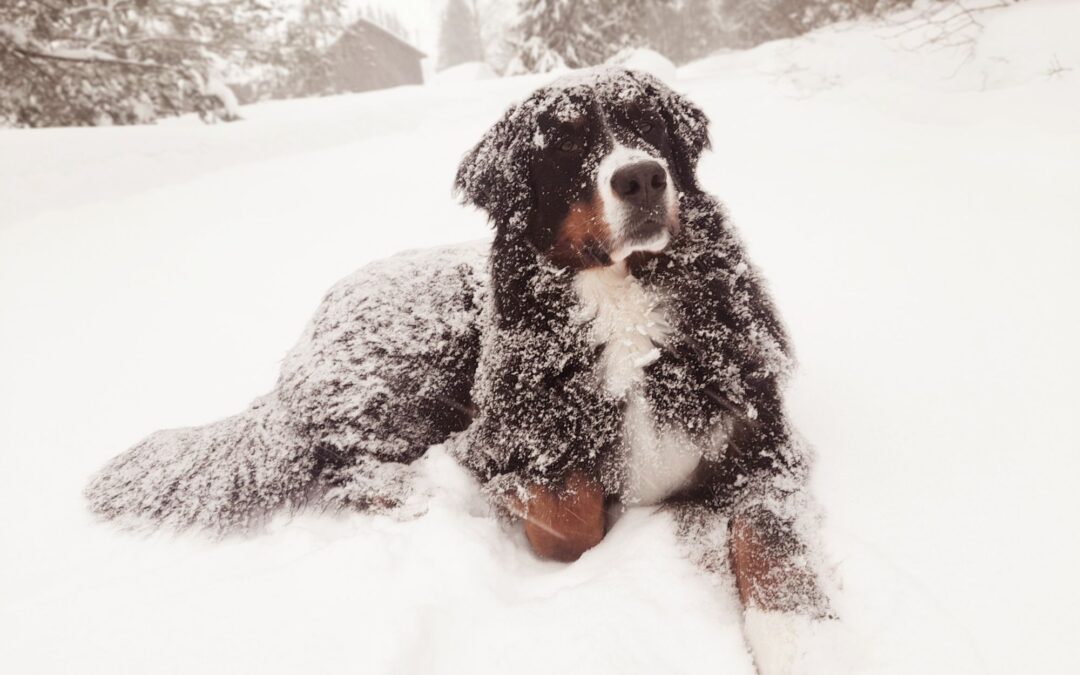
As winter sets in, Ridgefield pet parents need to be extra cautious when it comes to their pets’ health and safety. Cold temperatures, snow, and even chilly rain can pose significant risks to our furry friends. Fortunately, with the right precautions, you can help keep your pets comfortable, safe, and healthy during the colder months. In this guide, we’ll walk you through the essential winter safety tips for ets that every pet owner should know to protect their animals from the harsh winter elements.
1. Keep Your Pets Indoors During Cold Weather
The best way to protect your pets from the cold is to keep them indoors. Cold temperatures can cause problems like cold stress, frostbite, and hypothermia in pets. While some pets, like Huskies, may handle cold weather better, most pets should be kept inside when the weather gets too chilly. Even though certain breeds tolerate cold better than others, it’s important to remember that most pets are at risk of getting sick or injured when exposed to the cold. Animals with short coats, older pets, and those with medical conditions, like arthritis, can get cold more easily. If your pet has to spend time outdoors, ensure they have a warm place to retreat to, and always bring them inside when it gets too cold.
2. Protect Your Pet’s Paws
Winter weather can be hard on your pet’s paws, with snow, ice, and salt causing irritation. To keep their feet safe, use dog boots or paw balm during walks and always clean their paws afterward to remove any salt or chemicals. Regular pet wellness exams are also important to catch any damage early. Moisturizing with pet-safe balm or petroleum jelly helps prevent dryness and cracking, ensuring your pet’s paws stay soft and comfortable all season long.
3. Limit Outdoor Time During Very Cold Weather
While it’s tempting to take your pet outside for winter walks, extreme cold weather can lead to serious health risks. Pets can suffer from hypothermia or frostbite if left outside for too long, especially in very cold weather. It’s best to limit your pet’s outdoor time to short walks during the colder months. If your dog is used to being outside but seems reluctant or shivers during walks, it’s time to bring them indoors. If your pet is particularly sensitive to cold, you may want to avoid outdoor walks altogether during uncomfortably cold days.
4. Always Have Fresh Water Available
Even though your pet may not feel thirsty in the winter, it’s important to always provide access to fresh water. Cold temperatures can cause dehydration just as much as hot weather, especially if your pet is more active than usual. Make sure your pet’s water bowl is always full and free from ice. If you’re heading outside for a winter walk, bring a portable water bottle to keep your pet hydrated. This helps them maintain a healthy body temperature and avoid dehydration.
For more pet health guidelines, visit the U.S. Centers for Disease Control and Prevention (CDC) website.
5. Watch for Frostbite and Hypothermia
Frostbite and hypothermia are serious risks in winter. Pets can suffer from these conditions if left outside too long or if they aren’t properly protected from the cold. Always be on the lookout for the signs of these conditions, such as pale skin, swelling, or cold, hard tissue in their ears, paws, or tails.
Temperatures are dropping. Is your pet ready? Don’t wait for an emergency. Reach out to our expert veterinarians now for a winter safety check-up.
6. Avoid Walking Pets on Ice
Frozen ponds and icy sidewalks are dangerous places for your pet. Pets can easily slip and fall, risking injury or getting stuck. Additionally, pets are more likely to be exposed to ice melts and other harmful chemicals used to treat icy roads, which can be harmful. Stick to dry, cleared paths when walking your dog in the winter. If you must walk near ice, keep your pet on a leash and stay a safe distance from frozen bodies of water.
7. Stay Away from Harmful Chemicals
According to Nutrena Feeds, about 90,000 pets are poisoned each year by ethylene glycol, a chemical found in antifreeze. Even small amounts are deadly. One tablespoon can seriously harm dogs, and one teaspoon can kill cats.
Winter chemicals like salt and antifreeze can be very dangerous if your pet licks them off their paws. To keep them safe, try using pet-safe ice melt at home and always wipe your pet’s feet and belly with a warm cloth after every walk. Store all chemicals in a high cabinet where curious noses can’t reach them. If you think your pet swallowed something toxic, please call your family vet right away, contact your veterinarian immediately.
8. Winter Care for Cats
Outdoor and feral cats need a little extra help when temperatures drop. For outdoor cats, provide a sturdy, dry shelter to protect them from freezing wind and rain. For your indoor companions, keep their favorite lounging spots away from drafty windows and offer extra blankets or a pet-safe heating pad for added warmth. These simple steps ensure every cat stays cozy and safe all season long.
9. Keep Pets Safe in Vehicles
While it might seem safe to leave your pet in a warm vehicle engine, well, it’s not. Cars can cool down quickly, and pets left in a vehicle during cold temperatures can suffer from hypothermia or other cold-related injuries. Never leave them in a vehicle during the winter months, even if it seems warm inside. If you must travel with your pet, keep the car warm and ensure that they are comfortable and safe during the ride.
10. Update Your Pet’s ID Tags and Microchips
In winter, pets can become lost due to the chilly rain or snowstorms. If your pet wanders off, having an updated ID tag or microchip increases the chances of being reunited. Make sure your pet’s ID tag includes current contact information, and confirm that their microchip is registered.
Conclusion
By following these winter safety tips for pets, you can effectively prevent cold-weather dangers that might otherwise put your companions at risk. From protecting sensitive paw pads to ensuring they have enough nutrition for extra energy, these simple steps allow pet moms and dads to keep their furry family members healthy all season long. Remember to dry your pet thoroughly after wet walks and check their feet regularly for signs of frostbite or irritation.
If you ever have concerns about your pet’s well-being during the colder months, Ridgefield Vet is here. Don’t hesitate to reach out to a trusted veterinarian. Contact us today for expert advice and care to keep your furry friends safe and comfortable this winter.
FAQs
How can I protect my pet’s paws during winter?
To protect your pet’s paws, use boots or balm before walks. Afterward, use a damp towel to wipe away salt and chemicals that cause discomfort for your pet.
What are the signs of frostbite in pets?
Frostbite symptoms include pale or discolored skin, swelling, blisters, and cold, hard tissue. Contact your vet immediately if you notice any of these symptoms.
Can I leave my pet outside in the cold for long periods?
It’s best not to leave your pet outside for extended periods in cold weather. If they must stay outside, make sure they have access to a warm shelter.
How do I know if my pet is too cold?
If your pet is shivering, has cold ears or paws, or seems lethargic, they may be too cold. Bring them inside and warm them up immediately.