
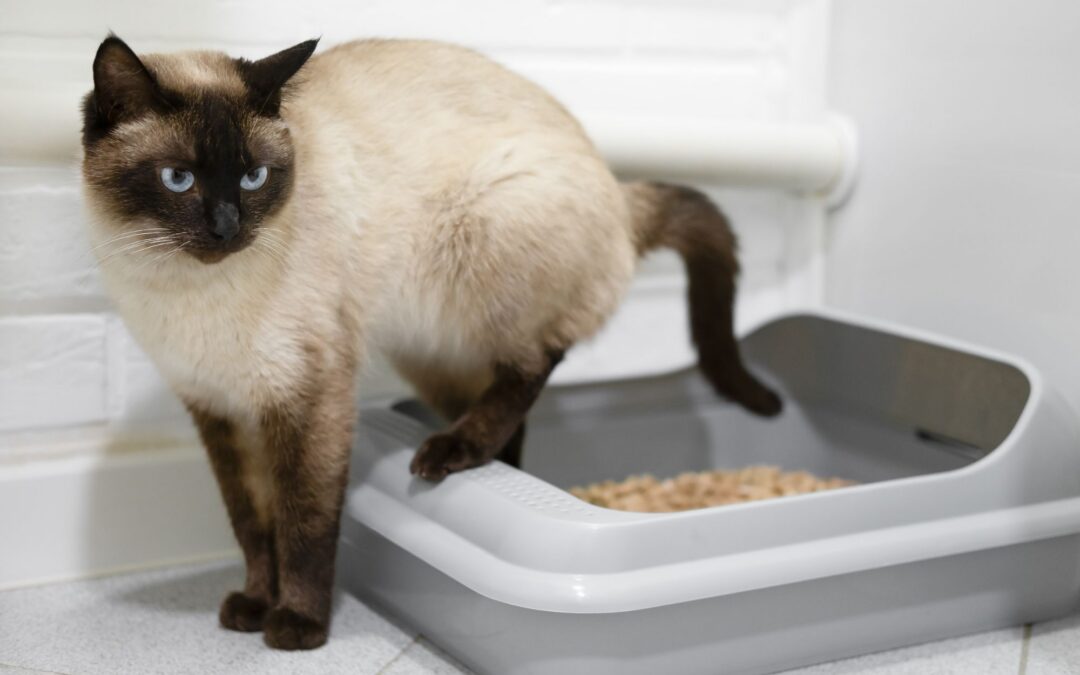
Seeing blood in cat urine can be alarming, especially when your cat seems healthy otherwise. Bloody urine may be caused by bladder inflammation, urinary tract infections, bladder stones, or a urinary blockage. These conditions can cause pain and, in some cases, become life-threatening without prompt treatment.
If your cat is peeing blood but still passing urine normally, contact your veterinarian the same day. If your cat keeps straining but produces little or no urine, seek emergency veterinary care immediately. For families in Ridgefield, CT, and nearby communities, we’ll explain what causes bloody urine, which symptoms need urgent attention, and how to protect your cat’s urinary health.
What Does Blood in Cat Urine Look Like?
Blood in the urine, also called hematuria, may turn your cat’s urine pink, red, or brown. Sometimes, you may notice small red spots in the litter box or blood clots mixed with the urine. In other cases, blood is only visible under a microscope during a veterinary examination.
The appearance of your cat’s urine can provide useful clues, but it cannot tell you exactly what is causing the bleeding.
| What you notice | What it may mean |
| Pink or red urine | Visible blood may be present in the urine. |
| Brown or rust-colored urine | Blood or other pigments may be affecting the urine’s color. |
| Blood spots or clots in the litter box | Visible bleeding may be present and needs prompt veterinary evaluation. |
| Normal-looking urine | Blood may still be present in amounts too small to see with the naked eye. |
Cats tend to hide discomfort, so you may notice changes in the litter box before seeing other symptoms. Even if your cat is acting normal, visible blood in the urine is a reason to contact our veterinary team.
What Causes Blood in Cat Urine?
Several urinary conditions can cause a cat to pee blood. The most common involve inflammation, irritation, infection, or stones affecting the bladder and urinary tract. A veterinary examination is needed to identify the underlying cause.
1. Feline Idiopathic Cystitis (FIC)
Feline idiopathic cystitis is one of the most common causes of lower urinary tract symptoms in cats. It causes painful bladder inflammation without an identifiable infection, stone, or other specific cause.
When the bladder lining becomes inflamed, your cat may urinate more often, strain, or pass urine containing blood. Stress can contribute to flare-ups, especially after changes in the home, feeding schedule, or daily routine.
According to the Cornell Feline Health Center’s guidance on feline lower urinary tract disease, reducing environmental stress can help decrease the frequency and severity of FIC episodes. Providing quiet resting areas, opportunities for play, and a consistent daily routine may help cats with recurring symptoms.
2. Urinary Tract Infections (UTIs)
Urinary tract infections occur when bacteria infect part of the urinary system, commonly the bladder. A bacterial infection can irritate the bladder lining and cause blood in the urine, frequent urination, or discomfort.
Although many pet owners assume that peeing blood means their cat has a UTI, bacterial infections are less common than noninfectious bladder inflammation in otherwise healthy younger cats. They occur more often in older cats and those with certain underlying illnesses.
A urine culture can help confirm a bacterial infection and identify which antibiotics may work best. For a closer look at infection-related warning signs, read our guide to cat urinary tract infection symptoms.
3. Bladder Stones and Urinary Tract Stones
Bladder stones are hard mineral deposits that form inside the bladder. They can rub against its lining, causing irritation, bleeding, and painful urination.
Depending on their type, size, and location, bladder stones may require a prescription diet, other medical treatment, or surgical removal. Some stones can obstruct urine flow, making prompt veterinary evaluation essential. Kidney stones can also occur in cats, although bladder and urethral conditions are more common causes of bloody urine with frequent straining.
4. Urinary Blockage
A urinary blockage happens when urine cannot pass normally through the urethra. Stones, mucus, mineral material, and inflammatory debris can obstruct the flow. Male cats face a higher risk of blockage because their urethra is longer and narrower than that of female cats. However, both male and female cats can develop serious urinary conditions.
A blocked cat may repeatedly visit the litter box, strain, and produce only a few drops or no urine at all. Without treatment, waste products and potassium can build up in the bloodstream, potentially causing kidney failure, dangerous heart problems, and death.
A suspected urinary blockage is a medical emergency. Do not wait for your cat to become weak or stop eating before seeking care.
5. Other Possible Causes
Less common causes of blood in cat urine include:
- Trauma or injury affecting the urinary tract
- Kidney infections or other kidney disorders
- Tumors involving the bladder or urinary system
- Blood-clotting disorders or other causes of internal bleeding
Your veterinarian will consider your cat’s age, medical history, and other symptoms when deciding which conditions to investigate.
When Is Blood in Cat Urine an Emergency?
Blood in cat urine always deserves veterinary attention, but difficulty passing urine is the most urgent warning sign. A cat with a complete urinary blockage cannot empty its bladder, and the condition can become life-threatening quickly.
Use the following guide to decide how urgently your cat needs care.
| Your cat’s symptoms | What you should do |
| Blood in urine but otherwise acting normal and urinating normally | Contact your veterinarian the same day |
| Frequent trips to the litter box, pain, or more frequent urination | Arrange prompt veterinary evaluation |
| Repeated straining with little or no urine produced | Seek emergency care immediately |
| Bloody urine with vomiting, severe weakness, or collapse | Seek emergency care immediately |
You may also notice your cat crying while urinating, licking the genital area excessively, or becoming restless around the litter box.
If you cannot tell whether your cat is producing urine, treat repeated unsuccessful attempts as a possible blockage and seek emergency care. Never assume your cat is simply constipated.
What Should You Do if Your Cat Is Peeing Blood?
If you notice blood in your cat’s urine, start by checking whether your cat can urinate normally. Look for changes in the litter box, signs of discomfort, and other unusual behavior. These observations can help you understand how serious the problem may be.
Here’s what you can do at home:
- Monitor urination. Check how often your cat uses the litter box and how much urine is produced. Pay attention to repeated attempts to urinate or unusually small clumps.
- Check for other symptoms. Watch for vomiting, reduced appetite, hiding, excessive licking around the genital area, or signs of pain.
- Take a photo. Photograph any visible blood in the urine or unusual litter clumps to show your veterinarian.
- Provide fresh water. Keep clean drinking water available, but do not force your cat to drink.
- Keep your cat comfortable. Provide a quiet resting area with easy access to a clean litter box.
Do not give human pain medications, leftover antibiotics, or home remedies without veterinary instructions. Avoid pressing on your cat’s abdomen or trying to make your cat pass urine.
Contact your veterinarian the same day if you notice blood in your cat’s urine, even if your cat is acting normal. If your cat is straining and producing little or no urine, skip home monitoring and seek emergency veterinary care immediately.
How Can You Help Prevent Future Urinary Problems in Cats?
While not every urinary problem is preventable, small changes to your cat’s daily routine can make a difference. We encourage pet owners to focus on four things: proper hydration, clean litter boxes, stress reduction, and a diet suited to their cat’s health needs.
Encourage Healthy Water Intake
Cats don’t always drink as much water as we’d like, especially those that eat mostly dry food. Try placing fresh water in several spots around your home. A wide water bowl or pet fountain may also encourage your cat to drink more. Wet food is another way to increase moisture intake. However, if your cat has a history of bladder stones or concentrated urine, we recommend discussing dietary changes with your veterinarian first.
You can learn more about hydration in our article on signs of dehydration in cats.
Keep Litter Boxes Clean and Accessible
Your cat should feel comfortable using the litter box whenever needed. A dirty box or one placed in a busy area may cause some cats to avoid it. We recommend scooping litter boxes daily and keeping them in quiet, easy-to-reach locations. If you have multiple cats, aim for one litter box per cat, plus one extra. This setup gives each cat more choices and makes it easier for you to spot unusual urination patterns before they become more serious.
Reduce Stress at Home
Stress can affect your cat’s bladder health, particularly if they’ve experienced feline idiopathic cystitis. Even changes that seem minor to us, such as moving furniture or introducing a new pet, can be stressful for some cats. Try keeping meals and playtime consistent. Give your cat quiet places to rest, scratching posts, and safe spots where they can retreat when they want some space. You don’t need to change your entire home. Start with a few adjustments that help your cat feel secure and comfortable.
Follow Your Veterinarian’s Care Plan
If your cat has already experienced urinary problems, prevention may require more than changes at home. Some cats benefit from prescription urinary diets, follow-up urine tests, or ongoing treatment for an underlying condition. Follow your veterinarian’s care plan and avoid urinary supplements or diet changes without guidance. What helps one cat may not be appropriate for another, especially when bladder stones or recurring inflammation are involved.
These habits can support your cat’s urinary health, but prevention depends on the underlying condition. Follow your veterinarian’s recommendations to help manage recurring symptoms and reduce the risk of future complications.
Conclusion
Blood in cat urine is never something to ignore, even if your cat seems healthy and comfortable. Bladder inflammation, urinary tract infections, and bladder stones can all cause bloody urine, but each requires a different approach to treatment. Paying attention to changes in your cat’s litter box habits and seeking timely veterinary care can help prevent complications and protect your cat’s urinary health.
At Ridgefield Veterinary Center, we help cats and their families in Ridgefield, Redding, Danbury, Wilton, CT, and nearby communities get the care they need. Through our pet urinary health services, we can evaluate your cat’s symptoms, identify possible causes, and recommend appropriate treatment. Contact our team if you notice blood in your cat’s urine. If your cat cannot urinate, seek emergency veterinary care immediately.
FAQs
Can blood in cat urine go away on its own?
Yes, blood in cat urine can sometimes disappear without specific treatment, especially during an episode of feline idiopathic cystitis. However, the symptoms may return, and other causes, such as bladder stones or infections, may still be present. Even if the urine looks normal again, your cat should receive a veterinary evaluation.
Why does my cat keep getting blood in their urine?
Recurring blood in your cat’s urine may indicate repeated bladder inflammation, urinary stones, or another ongoing urinary condition. Some cats with feline idiopathic cystitis experience flare-ups during stressful periods. If the bleeding returns after treatment, your veterinarian may recommend additional testing or changes to your cat’s long-term care plan.
Will antibiotics clear up blood in cat urine?
Antibiotics can treat bloody urine caused by a bacterial urinary tract infection, but they won’t help if the bleeding comes from bladder inflammation without infection or from urinary stones. Your veterinarian may recommend a urine culture to determine whether bacteria are present and which antibiotic is appropriate.
How can I collect a urine sample from my cat at home?
Use a clean litter box with non-absorbent litter. Once your cat urinates, use a clean syringe or pipette to transfer the urine into a container approved by your veterinarian. Avoid touching the inside of the container. Ask your vet how to store and deliver the sample, as some tests require a sterile sample collected at the clinic.
Can blood in cat urine be a sign of kidney disease?
Yes. Certain kidney conditions, including infections, stones, or injuries, can cause blood to appear in your cat’s urine. However, blood in the urine alone does not confirm kidney disease. Your veterinarian may recommend blood tests, urinalysis, or imaging to check kidney function and identify where the bleeding is coming from.
How can I tell if my cat is constipated or having trouble urinating?
Constipation and urinary problems can look similar because both may cause repeated straining in the litter box. A constipated cat may pass small, hard stools, while a cat with a urinary problem may produce only drops of urine or none at all. Since a urinary blockage can be life-threatening, seek emergency veterinary care immediately if your cat is repeatedly straining and you cannot confirm that urine is passing.