
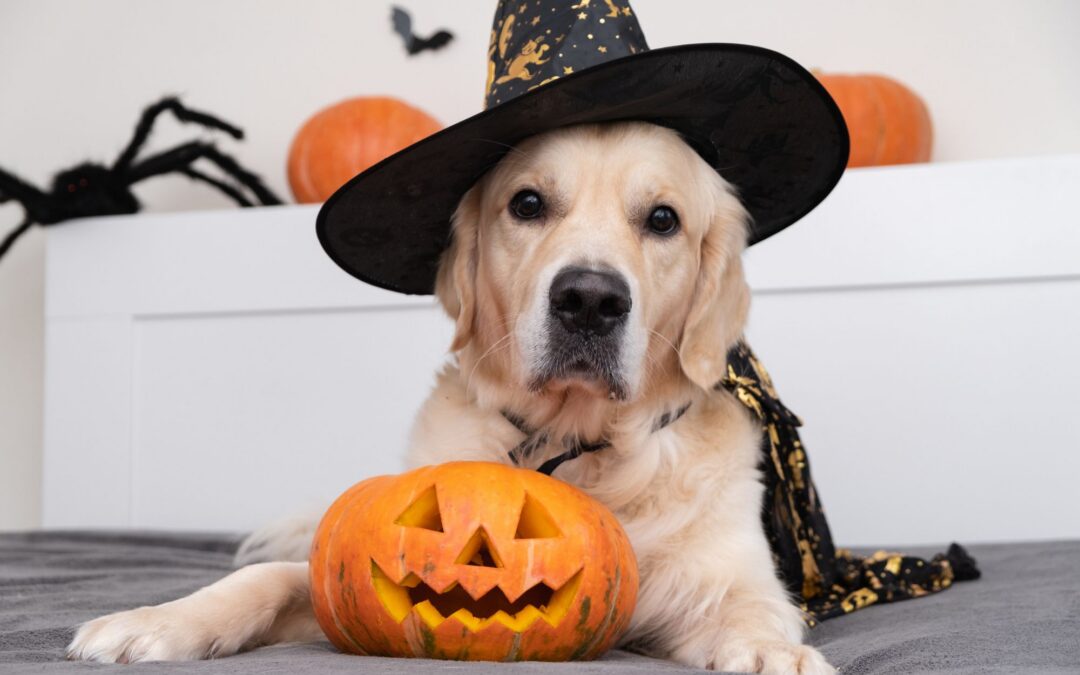
Halloween candy can pose serious health risks to dogs, especially treats containing chocolate, xylitol, raisins, or macadamia nuts. Depending on the ingredients and how much is eaten, candy can cause poisoning, digestive upset, or intestinal blockages.
During Halloween, candy bowls and trick-or-treat bags can put curious dogs at risk of accidentally ingesting toxic foods. At Ridgefield Veterinary Center, we want families in Ridgefield, CT, and nearby communities to enjoy the holiday while keeping their pets safe. Knowing which treats to avoid, what warning signs to watch for, and when to seek veterinary care can help you protect your dog.
Which Halloween Candy Is Toxic to Dogs?
Some Halloween treats contain ingredients that are poisonous to dogs, while others can cause digestive problems or physical injuries. Chocolate and xylitol-containing candy are particularly concerning, but raisins and macadamia nuts can also cause serious health complications.
The ASPCA’s Halloween safety recommendations identify chocolate and sugar-free candy containing xylitol as major holiday hazards. Other ingredients commonly found in treats can also be harmful to dogs.
Here’s a quick guide to common Halloween treats and their potential risks.
| Halloween Candy or Treat | Type of Risk | Why It’s Dangerous |
| Cocoa powder and baking chocolate | Toxic | Contain highly concentrated amounts of theobromine and caffeine, which can affect a dog’s heart and nervous system. |
| Dark chocolate | Toxic | Contains more theobromine and caffeine than milk chocolate, increasing the risk of poisoning. |
| Milk chocolate | Toxic | Contains theobromine and caffeine, which can cause poisoning depending on the amount eaten and the dog’s weight. |
| Sugar-free candy and gum containing xylitol | Toxic | Can cause a rapid drop in blood sugar and, in severe cases, liver injury. |
| Raisins and chocolate-covered raisins | Toxic | Raisins can cause acute kidney injury in dogs. Chocolate adds another potential source of toxicity. |
| Candy containing macadamia nuts | Toxic | Can cause vomiting, weakness, tremors, and difficulty coordinating movements. |
| Candy corn and other sugary candy | Digestive hazard | Large amounts may cause vomiting, diarrhea, or stomach discomfort. |
| Gummy candy | Digestive or choking hazard | Large or sticky pieces may cause choking or digestive problems. Sugar-free varieties may contain xylitol. |
| Hard candy and lollipops | Choking or injury hazard | Hard pieces can cause choking, while swallowed sticks may injure the digestive tract. |
| White chocolate | Low chocolate-poisoning risk | Contains negligible amounts of theobromine but has high fat and sugar content that may cause digestive problems. |
The amount needed to cause harm varies by ingredient and your dog’s weight. When a potentially toxic ingredient is involved, a veterinarian can help assess the risk.
Why Is Chocolate Dangerous for Dogs?
Chocolate contains theobromine and caffeine, two compounds called methylxanthines that stimulate a dog’s central nervous system and heart. Dogs metabolize these substances more slowly than humans, allowing them to remain in the body longer and cause harmful effects.
The amount of these compounds varies by chocolate type. Generally, chocolate with a higher cocoa content contains more methylxanthines, making darker chocolate and baking ingredients more dangerous to dogs.
Which Types of Chocolate Are Most Toxic?
Chocolate products contain different concentrations of theobromine and caffeine. From highest to lowest, the general order of toxicity is:
- Cocoa powder: Contains some of the highest concentrations of methylxanthines and poses a serious poisoning risk.
- Baking chocolate: Unsweetened baking chocolate contains high levels of theobromine and caffeine.
- Dark chocolate: Contains more methylxanthines than milk chocolate, especially varieties with higher cocoa content.
- Milk chocolate: Contains lower concentrations than dark chocolate but can still cause poisoning when enough is consumed.
- White chocolate: Contains negligible amounts of methylxanthines, making typical chocolate poisoning unlikely. However, its high fat and sugar content can still cause digestive problems.
According to Cornell University’s College of Veterinary Medicine, chocolate poisoning depends on the type and amount of chocolate consumed, as well as the dog’s weight. Smaller dogs can be affected by amounts that may pose less risk to larger dogs.
For a closer look at how chocolate affects dogs, including the signs of poisoning and available treatment, read our guide to chocolate toxicity in dogs.
Why Is Sugar-Free Halloween Candy Dangerous?
Sugar-free candy and gum can be especially dangerous to dogs when they contain xylitol, a sugar substitute also known as birch sugar or wood sugar.
When dogs consume xylitol, their pancreas releases an excessive amount of insulin. This can cause blood sugar levels to drop rapidly, a condition known as hypoglycemia. Severe cases may lead to weakness, seizures, and collapse. Xylitol can also cause serious liver injury, which may develop after ingestion.
According to the U.S. Food and Drug Administration’s guidance on xylitol poisoning in dogs, signs of poisoning can appear within 20 minutes, although some effects may be delayed.
Products that may contain xylitol include:
- Sugar-free gum and breath mints
- Sugar-free candy and chocolate bars
- Some gummy candies and supplements
- Certain peanut butters and nut butters
- Sugar-free baked goods and desserts
Not all sugar-free products contain xylitol, so check ingredient labels carefully. Look for xylitol, birch sugar, or wood sugar when checking the ingredients of candy, gum, and other treats.
What About Candy Corn, Gummies, and Other Halloween Treats?
Some Halloween sweets are not inherently poisonous, but that does not make them safe snacks for dogs.
Candy Corn, Gummies, and Sugary Candy
Traditional candy corn contains large amounts of sugar, which can cause an upset stomach, vomiting, or diarrhea when eaten in excess. Other sugary treats can also cause digestive problems, especially when dogs consume large amounts. Some high-fat treats may trigger pancreatitis, a painful inflammation of the pancreas.
Gummy candies can also pose a choking risk, particularly when dogs swallow large or sticky pieces.
Hard Candy and Lollipops
Hard candy can become a choking hazard, particularly for smaller dogs. Lollipop sticks can also injure the mouth or digestive tract if swallowed. Even candy without toxic ingredients may cause problems if your dog swallows large pieces.
Chocolate-Covered Raisins and Nuts
Chocolate-covered raisins are especially concerning because raisins can cause acute kidney injury in dogs. The amount that causes harm is unpredictable, so any suspected raisin ingestion deserves immediate veterinary attention. Macadamia nuts are also toxic to dogs and can cause weakness, vomiting, tremors, and trouble walking. Treats containing these ingredients should always stay out of your dog’s reach.
Can Candy Wrappers Hurt Dogs?
Candy wrappers are another Halloween hazard that pet owners may overlook. Dogs sometimes swallow foil and plastic wrappers while trying to reach the candy inside. These materials cannot be digested and may become stuck in the digestive tract.
Possible problems include:
- Choking
- Vomiting and abdominal pain
- Intestinal blockage
- Difficulty passing stool
- Loss of appetite
Larger wrappers or multiple swallowed pieces can cause an intestinal blockage. The risk depends on the size and material of the wrapper and your dog’s size. Contact your veterinarian if your dog swallows a wrapper, especially if you notice vomiting, abdominal pain, or difficulty passing stool.
Glow sticks are another common Halloween item to keep away from pets. Biting into one can release a bitter liquid that often causes drooling, mouth irritation, or vomiting. Glow sticks are not candy, but they can attract curious dogs during Halloween activities.
What Should I Do If My Dog Ate Halloween Candy?
If your dog ate Halloween candy, the safest first step is to identify what they consumed and contact a veterinarian or animal poison control service promptly.
Do not wait for symptoms to appear if the candy may contain chocolate, xylitol, raisins, or another toxic ingredient.
Here’s what to do:
- Remove the remaining candy. Move the candy bowl, trick-or-treat bags, and loose wrappers out of your dog’s reach.
- Identify the candy. Check the packaging for chocolate, xylitol, raisins, macadamia nuts, or other harmful ingredients.
- Estimate how much was eaten. Count the missing pieces or determine how much of the chocolate bar or candy stash is gone.
- Know your dog’s weight. Your dog’s weight helps the veterinarian estimate the potential level of toxicity.
- Call a veterinary professional immediately. Explain what your dog ate, how much they may have consumed, and when it happened.
Do not induce vomiting at home unless a veterinarian specifically instructs you to do so. Some situations make vomiting dangerous, and attempting it without guidance may cause additional harm.
If you cannot reach your veterinarian, contact an emergency animal hospital or the Pet Poison Helpline at 855-764-7661. A consultation fee may apply.
What Are the Signs of Halloween Candy Poisoning in Dogs?
Signs of Halloween candy poisoning depend on the ingredients, the amount consumed, and your dog’s size. Some symptoms may appear quickly, while others can take several hours or longer to develop.
Common warning signs include:
- Vomiting or diarrhea
- Abdominal pain or discomfort
- Excessive thirst or urination
- Restlessness or unusual hyperactivity
- Rapid breathing or an increased heart rate
- Weakness or difficulty walking
- Muscle tremors or shaking
- Seizures or collapse
Not all dogs develop the same symptoms, and some toxic effects may be delayed. A dog that appears normal after eating potentially harmful candy may still develop signs of poisoning later.
How Can You Keep Your Dog Safe During Halloween?
A little preparation can help prevent candy-related accidents before trick-or-treating begins.
Here are practical ways to keep your pet safe.
Store Halloween Candy in Closed Containers
Keep candy in sealed containers inside cabinets or other secure storage spaces. Avoid leaving a candy bowl on a low table or countertop where a curious dog might reach it. Remind children to put trick-or-treat bags away after returning home. Even unopened candy can attract dogs because of its smell.
Keep Candy Away From the Front Door
Halloween often means frequent visitors, costumes, and excitement. If your dog becomes anxious or tries to grab treats, consider keeping them in a quiet room away from the front door during busy trick-or-treating hours. This also helps prevent your dog from slipping outside when guests arrive.
Offer Dog-Friendly Halloween Treats
Your dog can still join the celebration without eating candy. Choose treats made specifically for dogs, or offer small amounts of veterinarian-approved foods that match your pet’s dietary needs. For example, plain pumpkin without added sugar or spices can be an occasional treat for many dogs. Our guide to feeding pumpkin to dogs explains safe preparation methods and serving considerations.
Check Decorations and Clean Up Wrappers
After Halloween activities, check floors, furniture, and outdoor areas for dropped candy, plastic wrappers, and decorations. For additional seasonal safety advice, read our fall pet safety tips for Ridgefield pet parents. The guide covers other autumn hazards that families should watch for.
When Should I Contact a Veterinarian About Candy Ingestion?
Contact a veterinarian promptly if your dog eats chocolate, xylitol, raisins, macadamia nuts, or another potentially toxic ingredient. Veterinary assessment is also important if your dog develops persistent vomiting, abdominal pain, unusual weakness, or difficulty passing stool after eating candy or wrappers.
At Ridgefield Veterinary Center, our pet diagnostic services include laboratory testing and digital X-rays that can help evaluate suspected poisoning and possible intestinal blockages. Depending on what your dog consumed, your veterinarian may recommend blood tests to assess blood sugar, liver function, or kidney health.
Our pet gastrointestinal services also help address digestive conditions that may cause symptoms such as vomiting, diarrhea, and abdominal discomfort. If your dog experiences digestive problems after eating Halloween candy, our veterinary team can assess the symptoms and recommend appropriate care.
If your dog needs immediate attention outside our operating hours, contact an emergency veterinary facility.
Conclusion
Keeping Halloween candy out of your dog’s reach can help prevent accidental poisoning and other holiday-related injuries. Check ingredient labels before sharing any treats, and store candy bowls and trick-or-treat bags somewhere your dog cannot access.
At Ridgefield Veterinary Center, we care for pets in Ridgefield, Redding, Danbury, and Wilton, CT, as well as nearby New York communities. If you have concerns about something your dog has eaten, call us at 203-438-2658 during office hours for veterinary guidance. Contact us today to learn how we can help keep your pet healthy and safe.
FAQs
Can one piece of Halloween candy hurt a dog?
Yes. Even a small amount of candy can harm a dog if it contains xylitol or raisins. Chocolate can also cause poisoning depending on its type, the amount consumed, and your dog’s weight. If your dog eats candy containing a potentially toxic ingredient, contact a veterinarian to assess the risk.
How long after eating chocolate will a dog show symptoms?
Chocolate poisoning symptoms may begin within two to twelve hours after ingestion. Early signs can include vomiting and restlessness. More serious cases may involve abnormal heart rhythms, muscle tremors, or seizures. The timing and severity depend on the amount and type of chocolate consumed.
Can dogs eat candy that doesn’t contain chocolate?
No. Candy without chocolate can still contain ingredients that are harmful to dogs, including xylitol in some sugar-free products. Other sweets may cause digestive upset or choking. Choose treats formulated specifically for dogs instead.
What happens if my dog eats a candy wrapper but not the candy?
Swallowed candy wrappers can cause choking or an intestinal blockage, depending on their size, material, and how many your dog ingests. Contact your veterinarian for guidance if your dog swallows a wrapper. Watch for vomiting, abdominal pain, loss of appetite, or difficulty passing stool.
Can dogs eat peanut butter Halloween candy?
Peanut butter Halloween candy is not a safe treat for dogs. It may contain chocolate, excessive sugar, or xylitol in sugar-free varieties. Some peanut butter products also contain sweeteners that are unsafe for pets. Choose plain peanut butter only if it is confirmed xylitol-free and approved for your dog’s diet.