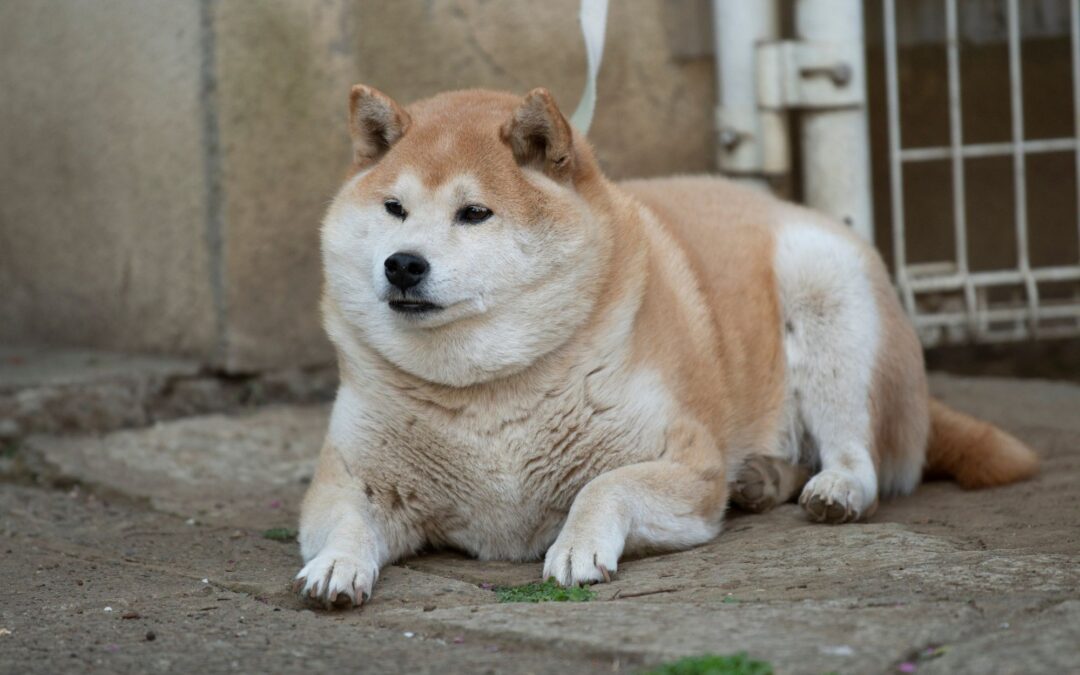
Weight gain in dogs can happen gradually, so you might not notice the changes right away. You’re probably wondering, “Is my dog overweight?” Maybe your dog gets tired more quickly during walks, has trouble jumping onto the couch, or isn’t as active as they used to be. These changes could be signs that your dog is carrying extra weight.
At Ridgefield Veterinary Center, our 30-minute weight management appointments include an evaluation of your dog’s weight, body condition, diet, and activity level. Based on the findings, our team develops a personalized plan that may include feeding adjustments, portion control, and exercise recommendations. We also monitor your dog’s progress and adjust the plan as needed.
What Are the Signs That My Dog Is Overweight?
Weight gain can happen gradually, making it difficult to notice changes in your dog’s body over time.
Here are seven signs that your dog may be overweight:
- You cannot easily feel their ribs. When you gently run your hands along your dog’s rib cage, you should be able to feel the ribs beneath a thin layer of fat. If you need to press firmly to locate them, your dog may be carrying excess weight.
- Their waist is less visible. When viewed from above, a healthy-weight dog typically has a noticeable inward curve behind the rib cage. If your dog’s body looks straight or rounded in this area, excess fat may be present.
- Their belly has little or no upward tuck. When viewed from the side, a healthy-weight dog generally has an abdomen that slopes upward from the chest toward the hind legs. A flatter or sagging belly may indicate excess body fat.
- They get tired more easily. Your dog may need more breaks during walks or lose interest in activities they previously enjoyed. Carrying excess weight can make physical activity more demanding.
- They have difficulty moving. Climbing stairs, jumping onto furniture, or getting up after resting may become harder. Excess weight can put additional strain on their joints and affect mobility.
- Their collar or harness feels tighter. If your dog’s collar or harness becomes tighter despite no changes in its adjustment, it may be worth checking for weight gain. However, this alone cannot determine whether your dog is overweight.
- Their weight keeps increasing. Regular weigh-ins can help you identify gradual weight gain. If your dog’s weight continues to increase without an expected reason, such as normal growth in puppies, their feeding routine or health may need attention.
Not every change in your dog’s body or activity means they’ve gained excess weight. If you notice several of these signs, consider discussing them with your veterinarian to determine whether your dog’s weight needs attention.
How Can I Check My Dog’s Weight at Home?
You can make a simple assessment at home by checking your dog’s ribs, waist, and belly. Veterinarians use a similar approach called a body condition score (BCS) to evaluate body fat.
1. Feel Your Dog’s Ribs
Place your hands along your dog’s rib cage and gently move your fingers over the area.
- Healthy weight: You can feel the ribs easily beneath a thin layer of fat.
- Overweight: A thicker layer of fat makes the ribs harder to feel.
- Underweight: The ribs may feel unusually prominent, with little fat covering them.
You should be able to feel your dog’s ribs without pressing hard, although their visibility may vary with coat length and body type.
2. Look for a Visible Waist
Stand above your dog while they’re standing naturally. Look at the area behind the rib cage. A dog at a healthy weight usually has a visible waist that curves inward toward the hips. If the body looks oval or the waist has disappeared, extra fat may be present.
3. Check the Belly From the Side
Look at your dog from the side while they’re standing. In many healthy dogs, the belly rises gently from the chest toward the hind legs. Overweight dogs may have a flatter or more rounded underside.
These checks are useful starting points, but breed differences, muscle mass, and age can affect your dog’s appearance.
What Is a Healthy Body Condition Score for Dogs?
A body condition score (BCS) helps determine whether a dog has too little, too much, or an appropriate amount of body fat. Veterinarians commonly use a nine-point scale to assess a dog’s body condition.
According to the World Small Animal Veterinary Association’s body condition scoring guidelines, scores of 4 or 5 out of 9 are considered ideal for most dogs. Scores of 1-3 indicate below-ideal body condition, while scores of 6-9 indicate increasing amounts of excess body fat.
| Body Condition Score | Classification | Common Signs |
| 1-3 | Under ideal | Ribs and other bones become increasingly visible or easy to feel, with little body fat and a pronounced waist. |
| 4-5 | Ideal | Ribs are easy to feel without excess fat covering, with a visible waist and abdominal tuck. |
| 6 | Over ideal | Ribs have a slight excess fat covering, and the waist is visible but less defined. |
| 7 | Over ideal | Ribs are difficult to feel, with heavier fat covering and a barely visible or absent waist. |
| 8 | Over ideal | Very heavy fat covering makes the ribs difficult or impossible to feel. The waist and abdominal tuck are absent. |
| 9 | Over ideal | Extensive fat deposits cover areas such as the chest, spine, and base of the tail. The waist and abdominal tuck are absent. |
Note: A dog’s weight alone does not show whether they’re at a healthy body condition. Two dogs of the same breed and weight can have different scores because of differences in frame size and muscle mass.
Why Is Being Overweight Bad for Dogs?
Excess weight puts additional strain on your dog’s body and can increase the risk of several health problems. Over time, obesity can affect their joints, metabolism, breathing, and ability to stay active.
Some of the main health concerns include:
- Joint problems and arthritis: Extra weight places more pressure on the joints and can worsen existing joint conditions. If your dog is limping or having difficulty moving, read our guide to dog ACL tear symptoms to learn what signs may indicate a knee injury.
- Diabetes: Obesity is associated with insulin resistance, which can increase the risk of diabetes in dogs.
- Breathing difficulties: Excess body fat can make breathing harder, especially in dogs with existing respiratory conditions.
- Reduced stamina: Carrying extra weight can make physical activity more demanding and limit your dog’s ability to exercise comfortably.
- Anesthesia and surgical risks: Obesity can make anesthesia and surgery more complicated and increase certain procedural risks.
Keeping your dog at a healthy weight can help reduce these risks and support their long-term health and quality of life.
What Causes Dogs to Become Overweight?
Dogs gain weight when they regularly consume more calories than they burn. Several factors can contribute to this imbalance:
| Common Cause | How It Contributes to Weight Gain |
| Oversized food portions | Feeding more than your dog needs adds excess calories. |
| Too many treats | Treats and table scraps increase daily calorie intake. |
| Limited exercise | Low activity levels reduce the calories your dog burns. |
| Age-related changes | Older dogs may become less active and need fewer calories. |
| Spaying or neutering | Changes in energy requirements after surgery may increase the risk of weight gain. |
| Medical conditions | Conditions such as hypothyroidism and Cushing’s syndrome can contribute to weight gain. |
| Certain medications | Some medications can increase appetite or affect metabolism. |
If your dog gains weight despite consistent feeding and activity habits, schedule a veterinary examination to check for possible medical causes.
How Can I Help My Overweight Dog Lose Weight Safely?
The first step is to find out how much weight your dog needs to lose. A veterinarian can assess your pet’s condition, recommend a target weight, and create a weight loss plan that supports gradual, healthy progress.
Here are practical ways to help your dog lose weight.
1. Measure Your Dog’s Food Portions
Start by reviewing how much food your dog eats each day. Feeding guidelines on dog food packaging are estimates and may not match your dog’s actual calorie needs. Use a measuring cup consistently, or preferably a kitchen scale, to portion meals accurately. Avoid leaving food out all day if your dog tends to overeat.
Before making major dietary changes, ask your vet how many calories your dog should receive based on their ideal weight, age, and activity level.
2. Limit Treats and Table Scraps
Treats can add a surprising number of calories, especially for smaller dogs.
To reduce extra calories:
- Keep treats to no more than 10% of your dog’s daily calorie allowance.
- Break larger treats into smaller pieces.
- Use part of your dog’s regular food as training rewards.
- Avoid sharing fatty leftovers or high-calorie table scraps.
- Make sure everyone in the household follows the same feeding plan.
You can still reward your furry friend with attention, playtime, and affection instead of always offering food.
If you’re exploring other treat options, our guide to feeding pumpkin to dogs explains which types are safe and why portion sizes matter. Even healthier treats contribute calories to your dog’s daily intake.
3. Build a Consistent Exercise Routine
Regular, appropriate exercise helps overweight dogs manage their weight while maintaining muscle and mobility. If your dog has been inactive, start with short, low-impact walks. Gradually increase the distance and duration as your dog builds endurance.
You can also include activities such as:
- Gentle games of fetch, adjusted to your dog’s mobility
- Indoor play during poor weather
- Puzzle toys that encourage movement and mental stimulation
- Short training sessions using part of their daily food allowance
For more indoor activity ideas, see our guide to 15 indoor exercise ideas for dogs.
Ridgefield pet owners can also incorporate neighborhood walks and suitable local trails into their dog’s routine. Choose routes that match your dog’s fitness level, and take precautions against heat, icy surfaces, and ticks.
If your dog has arthritis, breathing difficulties, or another health condition, their exercise plan may need to be adjusted.
4. Follow a Veterinary Weight Loss Plan
Your veterinarian can determine how much weight your dog needs to lose and recommend a safe daily calorie intake. This may include a weight management diet, measured meal portions, and regular progress checks. Avoid drastically reducing your dog’s food or skipping meals. Excessive calorie restriction can cause nutrient deficiencies and muscle loss.
At Ridgefield Veterinary Center, our pet nutritional counseling services help you choose appropriate food, manage portions, and establish a feeding routine that supports your dog’s health.
5. Track Your Dog’s Progress
Weigh your dog every two to four weeks, using the same scale whenever possible. Record each result to see whether their weight is changing over time. Keep track of daily food portions, treats, and exercise as well. These records can help you identify habits that may affect weight loss and determine when the plan needs adjusting.
When Should I Take My Overweight Dog to the Vet?
You do not need to wait until your dog becomes severely overweight to seek help. Early weight management can make it easier to address changes before they affect your pet’s health.
Schedule a veterinary appointment if:
- Your dog’s weight continues to increase despite portion control.
- You cannot easily feel their ribs or see a waist.
- Your dog has trouble walking, climbing stairs, or getting up.
- They show signs of joint pain, stiffness, or reduced energy.
- Weight gain happens alongside increased thirst, changes in appetite, or unusual behavior.
- You are unsure about their ideal weight or how much to feed them.
Sudden abdominal swelling, breathing difficulty, collapse, or severe weakness require urgent veterinary attention. These symptoms should not be assumed to be ordinary signs of excess weight.
At Ridgefield Veterinary Center, our pet weight management services help you address your dog’s weight through body condition assessments, personalized feeding and exercise recommendations, and progress monitoring. We work with families to develop practical plans that support their pets’ long-term health.
Conclusion
Excess weight can affect your dog’s mobility and increase their risk of health problems over time. Recognizing the signs early gives you an opportunity to address weight gain before it creates further challenges for your dog’s health.
At Ridgefield Veterinary Center, we help families in Ridgefield, Redding, Danbury, and Wilton, CT, as well as nearby New York communities, manage their pets’ weight through personalized veterinary care. Contact us today if you’re concerned about your dog’s weight. We’ll help you understand your dog’s body condition and develop a practical plan for their long-term health.
FAQs
How much weight should an overweight dog lose?
A safe weight-loss rate for most overweight dogs is 1% to 2% of their current body weight per week. Dogs with underlying health conditions may need a slower rate.
Can a dog be overweight even if they look healthy?
Yes. Some overweight dogs remain playful and energetic, especially during the early stages of weight gain. A dog can appear healthy while carrying extra fat around the ribs and abdomen. Checking their body condition score provides a more reliable assessment than appearance alone.
Can a dog be overweight but still have visible ribs?
Yes. Some dogs may have visible ribs but carry excess fat around the abdomen or other areas. Body shape, muscle mass, and breed characteristics can affect how fat is distributed.
How long does it take for a dog to lose weight?
Weight loss may take several months, depending on how much weight your dog needs to lose and how they respond to dietary changes. A safe plan focuses on gradual progress while maintaining muscle and adequate nutrition. Regular weigh-ins help your veterinarian decide whether adjustments are needed.
Is walking enough to help my dog lose weight?
Walking can support weight loss, but exercise alone may not be enough if your dog continues to consume excess calories. Combining regular activity with appropriate food portions is usually more effective. Dogs with joint pain or limited mobility may need gentler exercise options recommended by their veterinarian.