
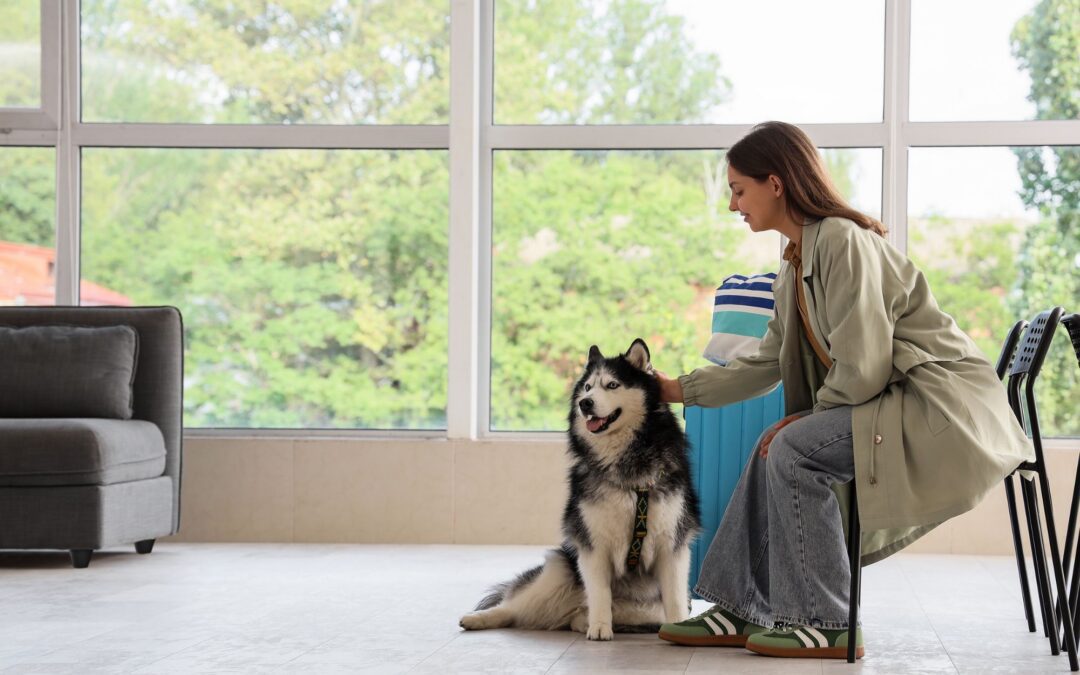
Preparing your pet for a vet visit starts at home. Gentle handling practice, short car rides, carrier training, and positive reinforcement can reduce stress and help your pet feel safer during the appointment. You should also gather medical records, write down health concerns, and ask the clinic about food, medication, or sample instructions.
At Ridgefield Veterinary Center, we care for dogs and cats from Ridgefield and nearby communities during routine checkups, vaccinations, diagnostic visits, and other appointments. The following steps can help you prepare your pet before arriving at our veterinary clinic on Danbury Road.
Why Preparing Your Pet for a Vet Visit Matters
The American Animal Hospital Association (AAHA) recommends positive experiences and gradual practice to help dogs and cats feel more at ease before, during, and after veterinary appointments. You can put this approach into practice at home by preparing your pet for what to expect during the visit.
Vet visits can involve many unfamiliar experiences at once. Your pet may encounter a carrier, car travel, unfamiliar sounds, disinfectant smells, slippery floors, other animals, and handling from people they do not know. Even a normally calm pet may become tense, hide, vocalize, freeze, or try to escape.
Stress can also make the physical exam more difficult. A frightened pet may pant, tremble, resist touch, or have an elevated heart rate. These reactions can make it harder for your veterinarian to examine the ears, mouth, abdomen, joints, skin, and paws. Some pets may even be too nervous to accept treats or respond to familiar cues.
Proper preparation can help:
- Reduce anxiety before and during the appointment
- Make transportation safer
- Help your veterinarian perform a more thorough physical exam
- Lower the risk of escape or injury
- Give you time to organize questions and health information
- Create positive associations that may make future visits easier
The goal is not to force your pet to tolerate everything at once. Work at your pet’s pace and reward calm behavior. Several short, positive practice sessions are usually more helpful than one long session right before the appointment.
Start Preparing Before the Vet Appointment
If your pet’s visit is scheduled in advance, start preparing several days or weeks beforehand. Think about each part of the trip from your pet’s perspective. Your dog or cat may need to enter a carrier, ride in the car, wait near other animals, and allow unfamiliar people to touch sensitive areas.
Use treats, gentle praise, play, or a favorite toy during practice. Stop before your pet becomes frightened or frustrated.
| When to Prepare | What to Do |
| One to two weeks before | Practice gentle handling, carrier entry, short car rides, and calm settling. |
| Several days before | Confirm the appointment, transfer medical records, and write down health concerns. |
| The day before | Pack supplies, collect a stool sample if requested, and review feeding instructions. |
| The morning of the visit | Allow a bathroom break, secure your pet, and leave enough travel time. |
| After the visit | Provide a calm environment and follow your veterinarian’s recommendations. |
A sudden illness or injury may not leave time for preparation. In that situation, focus on safe transportation and call the veterinary clinic for instructions.
Practice Gentle Handling at Home
Vet visits often include checks of your pet’s eyes, ears, mouth, skin, abdomen, joints, and paws. Practicing gentle handling can make these parts of the actual exam feel more familiar.
Start when your pet is calm. Briefly touch one area, then offer a reward. You might practice:
- Touching your dog’s paws
- Looking inside your pet’s ears
- Lifting the lips to look at the teeth
- Running your hands gently over the legs and abdomen
- Brushing the coat
- Having your pet stand on a mat or low scale
- Briefly holding the collar or harness
Watch your pet’s body language throughout the practice. Pulling away, freezing, hiding, growling, swatting, or refusing treats may mean the session has become too difficult.
Do not force your pet to remain still or continue after signs of fear appear. The goal is to build positive associations with gentle touch, not to recreate a complete veterinary examination at home.
Help Your Pet Become Comfortable With Travel
Travel can be stressful for pets, especially when they associate the car or carrier with veterinary visits. Positive practice at home can help make the trip more comfortable.
For Dogs
Start by letting your dog sit in a parked car for a few minutes while offering treats. Once they are comfortable, try a short drive around the block. Gradually increase the trip length and end with something enjoyable, such as a walk or playtime.
Keep your dog secured with an appropriate crate or crash-tested safety harness. Never let your dog ride loose or sit unrestrained on your lap. Watch for signs of stress or motion sickness, including drooling, lip licking, whining, restlessness, vomiting, or reluctance to enter the car.
For Cats
Leave your cat’s carrier open in a quiet area with soft bedding, a familiar-smelling towel, toys, or treats inside. Let your cat explore it freely, then gradually practice closing the door, lifting the carrier, and taking short trips. Keep each step positive and move at your cat’s pace.
Choose a secure carrier with enough room for your cat to turn around. A carrier that opens from the top or has a removable upper section can make the actual exam easier. Secure the carrier in the car and never transport your cat loose. A light towel over part of the carrier can reduce visual stimulation while allowing good airflow.
Learn more about choosing and using a pet cage for travel.
Gather Medical Records and Health Information
Accurate health information helps your veterinary team understand your pet’s history, especially during a first visit or when switching clinics.
Ask your previous clinic to send the complete medical records before the appointment. These may include:
- Examination records: Previous exam findings, diagnoses, and health concerns
- Vaccination records: Vaccines given and dates administered
- Test results: Bloodwork, urinalysis, fecal tests, and other laboratory results
- Imaging: X-rays, ultrasound reports, or other diagnostic images
- Medications: Current and recent medications, including doses and frequency
- Preventives: Flea, tick, heartworm, and other parasite preventives
- Allergies and reactions: Known allergies or previous reactions to medications or vaccines
- Surgeries and procedures: Previous surgeries, dental procedures, or other treatments
- Diet and supplements: Food, approximate daily amount, treats, and supplements
Also write down any recent changes in your pet’s behavior, appetite, thirst, urination, bowel movements, or activity. Include any recent exposure to wildlife, ticks, boarding facilities, or other animals.
If you are unsure about a medication, bring the container or a clear photo of its label. Continue prescribed medications unless your veterinary team gives you different instructions.
Write Down Changes in Your Pet’s Health
Pets do not always display the same symptoms at the clinic that you see at home. Notes, photos, and short videos can give your veterinarian helpful context, especially when a problem happens only occasionally.
Before the appointment, record:
- When the problem started
- How often it happens
- Whether it is improving or becoming worse
- How long each episode lasts
- Anything that appears to trigger it
- Treatments you have already tried
- Changes in your pet’s normal routine
Health concerns worth recording include:
- Changes in appetite or eating habits
- Vomiting, diarrhea, constipation, or stool changes
- Increased or decreased drinking
- Changes in urination
- Coughing, sneezing, or unusual breathing
- Scratching, licking, hair loss, or skin irritation
- Limping, stiffness, or difficulty using stairs
- Bad breath, drooling, or trouble chewing
- Weight gain or loss
- Hiding, restlessness, aggression, or reduced activity
Write down your main concerns before the visit so you do not forget anything important. This helps the veterinary team prioritize the appointment and determine whether your pet may need additional time, laboratory work, diagnostic imaging, or another service.
Ask Whether You Should Bring a Stool Sample
A veterinarian may ask you to bring a fresh stool sample to screen your pet for intestinal parasites. The Companion Animal Parasite Council guidelines recommend fecal testing for dogs and cats, with the frequency based on factors such as age, health, and lifestyle.
If your veterinarian asks for a sample, place a small, fresh amount in a clean, sealed container or bag. Label it with your pet’s name and the collection date and time. Ask the clinic how fresh the sample should be and whether it needs refrigeration if you cannot deliver it promptly.
Avoid bringing a sample that has been sitting outside for an extended period or is mixed with large amounts of soil, grass, or litter unless the clinic tells you otherwise.
If you are unsure whether your pet needs a sample, contact Ridgefield Veterinary Center before the appointment. Our veterinary team can tell you what to collect and provide specific storage instructions.
Confirm Food and Medication Instructions
Food and medication instructions can vary depending on the type of veterinary visit. Some routine appointments allow normal meals, while visits involving sedation, anesthesia, certain blood tests, or procedures may require fasting.
Before the appointment, make sure you know:
- Whether your pet can eat or drink
- Whether regular medications should be given
- Whether treats are allowed during the exam
- How long your pet should fast, if required
Young puppies, kittens, diabetic pets, and pets with certain medical conditions may have different needs. If food is allowed, bring small treats your pet enjoys and consider any food allergies or dietary restrictions.
Plan a Safer and Calmer Trip to the Clinic
Give yourself enough time so you do not feel rushed. Your pet may notice hurried movements or changes in your voice. Staying calm can help you move through the trip more carefully, even if it does not completely remove your pet’s fear.
Before leaving:
- Give your dog time to walk, sniff, urinate, and defecate.
- Offer appropriate activity to release excess energy without exhausting your pet.
- Check that the leash, carrier, collar, or safety harness is secure.
- Pack records, medications, treats, cleanup supplies, and the stool sample.
- Bring a favorite toy or familiar blanket if it helps your pet settle.
- Confirm the clinic’s location and allow time for traffic.
Ridgefield-area drivers may encounter congestion along Route 7 and Danbury Road, particularly during commuting and school travel times. Plan your trip so you can arrive close to the requested appointment time without rushing or leaving your pet waiting in the car for too long.
If your pet is calmer during an early morning appointment or at another quieter time, ask whether that schedule is available. Many pets do better when the clinic has fewer arrivals, and the waiting room is less active.
Tell the Clinic About Fear Before You Arrive
If your pet has had a difficult experience at the vet before, let the veterinary team know. Hiding, freezing, trying to escape, growling, scratching, or biting are signs that your pet may be frightened or overwhelmed. Knowing this ahead of time allows the team to approach your pet more carefully.
For pets with severe fear, motion sickness, or defensive behavior, your veterinarian may recommend a pre-visit plan. This can include medication given before the appointment to help your pet stay calmer and make the visit easier for everyone.
Needing extra support does not mean your pet is difficult or “bad.” Helping them feel safe can make future veterinary visits less stressful.
What to Do in the Waiting Room
The waiting room can be overwhelming for a nervous pet. There may be unfamiliar animals, people, sounds, and smells all around them. Give your pet space and avoid letting them approach other animals, even if they are normally friendly.
Keep your dog on a secure leash and your cat inside a closed carrier. If possible, keep cats elevated and away from unfamiliar dogs. Watch your pet’s body language for signs that they are becoming uncomfortable, such as panting, trembling, pacing, flattened ears, a tucked tail, hiding, freezing, or refusing treats.
If your pet seems overwhelmed, a quieter space can help them settle before the examination.
Help Your Pet During the Physical Exam
Once you enter the exam room, give your pet a moment to look around when time and safety allow. Avoid pulling a frightened animal out from under a chair or tipping a cat out of its carrier. Let the veterinary team guide you.
You can support a calmer examination when you:
- Speak in a relaxed, normal voice
- Use treats if the team approves
- Avoid crowding your pet
- Follow staff instructions about holding or positioning
- Share known handling preferences
- Tell the veterinarian when your pet has a painful area
- Avoid correcting growling or hissing
Some pets are calmer when their owner remains nearby. Others become more protective or agitated. The veterinary team may recommend a different setup based on your pet’s response. The safest approach can vary between animals and even between appointments.
A physical exam may include checking your pet’s eyes, ears, teeth, gums, skin, coat, heart, lungs, abdomen, joints, weight, and body condition. Your veterinarian may also discuss parasite prevention, vaccinations, nutrition, behavior, and dental health based on age and lifestyle.
Special Tips for a Puppy or Kitten’s First Visit
Your puppy or kitten’s first veterinary visit is an important part of building a healthy life. Bring any records from the breeder, shelter, rescue, or previous veterinarian, including vaccination and deworming dates. This necessary paperwork gives your veterinarian a clearer picture of your pet’s early health and helps guide their care.
During car travel, secure puppies in an appropriate crate or vehicle safety harness. Once outside the vehicle, keep them on a secure leash or in a carrier, and keep them away from unknown animal waste and shared outdoor areas until your veterinarian confirms they have adequate protection against common diseases. Kittens should stay inside a closed, secure carrier throughout the trip and appointment.
During the visit, your veterinarian will usually perform a physical examination and discuss your pet’s:
- Vaccination schedule
- Intestinal parasites and fecal testing
- Flea, tick, and heartworm prevention
- Nutrition and healthy growth
- Spaying or neutering
- Microchipping
- Socialization and behavior
- Dental care
- Safe exercise
- Household and travel risks
Bring a few treats your puppy or kitten enjoys and keep the experience calm and positive. Early positive experiences with veterinary medicine can help your young pet feel safer during future visits.
What to Do After Your Pet’s Visit
Give your pet a quiet place to rest after the appointment. Make sure they have access to water and keep them away from children or other pets if they seem tired or irritable. Cats may also smell different after a clinic visit, which can temporarily cause tension with other cats in the home.
Follow your veterinarian’s discharge instructions carefully. Give medications as directed and watch for any changes your veterinary team specifically asked you to monitor. If your pet has an unexpected reaction or you are unsure about an instruction, contact the clinic for more advice.
Continue practicing gentle handling, carrier training, and short, pleasant car rides after the visit. These experiences should become a normal part of pet ownership, not something your pet encounters only when going to the veterinarian.
A Vet Visit Preparation Checklist
Use this checklist when preparing for your pet’s next visit:
- Confirm the appointment time and reason for the visit
- Follow the clinic’s instructions for food, water, and medications
- Bring medical records if they are not already on file
- Pack current medications or photos of their labels
- Bring a fresh stool sample if requested
- Write down symptoms, when they started, and any changes in your dog’s appetite or behavior
- Save relevant photos or videos on your phone
- Bring treats your pet enjoys and is allowed to have
- Pack a familiar toy or blanket if it helps your pet feel comfortable
- Secure dogs in the vehicle with an appropriate crate or vehicle safety harness, and keep them on a secure leash or in a carrier when outside the vehicle and at the clinic
- Keep cats in a closed, secure carrier
- Allow enough time for a bathroom break and travel
- Tell the veterinary team about fear, pain, or previous handling problems
A little preparation can help your pet feel more comfortable and give your veterinary team the information they need to support your pet’s health and well-being.
Conclusion
Preparing your pet for a vet visit can make the appointment easier for both of you. Practicing gentle handling, making travel familiar, gathering health records, and knowing what to bring can help your pet feel more comfortable and give your veterinary team the information they need to provide appropriate care.
Ridgefield Veterinary Center has cared for pets and their families since 1955. Our veterinary clinic provides wellness exams and other veterinary services for families in Ridgefield, Redding, Danbury, Wilton, South Salem, and North Salem. We are located at 722 Danbury Road in Ridgefield, Connecticut. Have questions before your pet’s next visit? Contact us today and we’ll be happy to help.
FAQs
What should I bring to my pet’s first vet visit?
Bring your pet’s medical records, vaccination history, current medications, and any adoption or breeder records you have. Write down your main health concerns and bring photos or videos of symptoms that may not appear during the appointment. If requested by the vet clinic, bring a fresh stool sample. A secure carrier for cats or a leash and properly fitted harness for dogs can also help make the first vet visit safer and more comfortable.
Should my pet eat before a vet appointment?
Most pets can eat normally before a routine checkup, but some appointments require fasting. Your veterinarian may ask you to withhold food before anesthesia, sedation, certain blood tests, or other procedures. Ask the vet clinic whether your pet should eat, drink, or take regular medications before the appointment, especially if your pet is very young, diabetic, or has another medical condition.
How can I calm my pet before a vet visit?
Start preparing before the appointment by practicing gentle handling, short car rides, and carrier or leash use. Use positive reinforcement and high-value treats to reward calm behavior, and stop if your pet becomes frightened or overwhelmed. For cats, keeping the carrier out at home can help make it feel familiar, while dogs can benefit from short car rides that do not always end at the vet. These steps can minimize stress and make a big difference in how your pet feels about veterinary care.
How do I prepare my cat for a vet visit?
Leave your cat’s carrier open in a familiar area with soft bedding, treats, or a favorite toy inside. Once your cat is comfortable entering the carrier, practice briefly closing it, lifting it, and taking short car rides. On the day of the appointment, keep your cat in a secure carrier and consider covering part of it with a light towel to reduce visual stimulation. Allowing your cat to become familiar with the carrier before the visit can help reduce stress.
How do I prepare my dog for a vet visit?
Practice gentle handling at home, including touching your dog’s paws, ears, mouth, and body for short periods. Take brief car rides and reward your dog with treats so the car does not become associated only with veterinary visits. Before the appointment, gather your dog’s vaccination history and medical records, and consider taking a short walk beforehand if appropriate. During car travel, secure your dog in an appropriate crate or vehicle safety harness. Once outside the vehicle, keep your dog on a secure leash or in a carrier as appropriate.
What if my pet is afraid of the vet?
Tell the veterinary team about your pet’s fear before the appointment so they can plan a calmer visit. Depending on your pet’s needs, the clinic may suggest a quieter appointment time, waiting in a separate area, gradual visits to the clinic, or medication prescribed before the appointment. Do not force a frightened pet through handling when it can be avoided. Working with the right veterinarian and using gradual, positive experiences can help your pet feel safer during future visits.