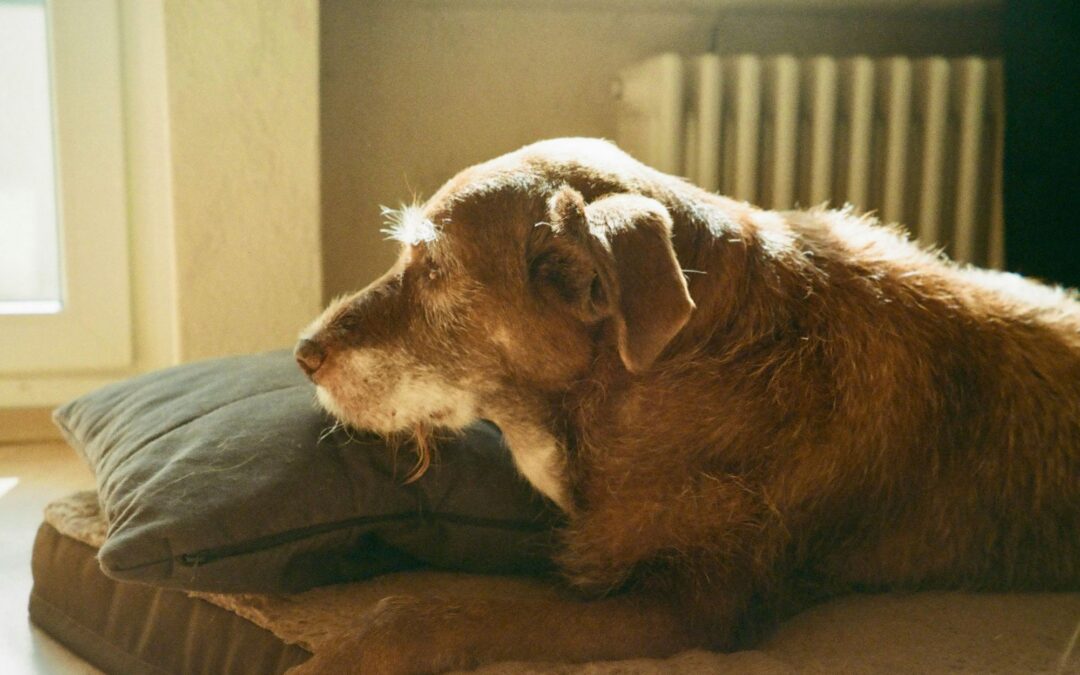
You know your dog’s little habits, from their favorite sleeping spot to the sound of their paws following you into the kitchen. As they grow older, you may notice small changes in how they eat, move, sleep, or spend time with you. A senior dog health checklist helps you keep track of these changes and recognize when your dog may need extra attention.
At Ridgefield Veterinary Center, we want your dog to feel their best at every stage of life. This guide will help you monitor their health at home, prepare for wellness visits, and recognize when it’s time to call your veterinarian. With a little extra attention, you can help your longtime companion stay comfortable and enjoy the things they love.
When Is Your Dog Considered a Senior?
Dogs generally enter their senior years at different ages depending on their breed, size, and expected lifespan. Large and giant breed dogs tend to age faster and may need senior care earlier than smaller dogs.
Your veterinarian can help determine when to adjust your dog’s wellness care based on their age, health history, and individual needs. A gray muzzle or a preference for quieter activities may come with age, but pain, confusion, and difficulty eating should never be dismissed as normal aging.
As the American Veterinary Medical Association explains in its guide to senior pet care, age itself is not a disease. Recognizing changes in your dog’s health can help you know when they need veterinary attention.
Your Senior Dog Health Checklist at a Glance
Use this checklist to compare your dog’s current habits with their usual routine. If you notice a change, write down when it started and how often it happens. These notes can help you explain your concerns during a veterinary visit.
| What to Check | What to Watch For |
| Appetite | Skipped meals, unfinished food, trouble chewing |
| Drinking and urination | Increased thirst, frequent bathroom trips, accidents |
| Weight and muscle | Weight gain, unexplained weight loss, visible muscle loss |
| Movement | Limping, slipping, difficulty rising or using stairs |
| Teeth and gums | Bad breath, red or bleeding gums, dropped food |
| Skin and coat | New lumps, sores, itching, unusual odor |
| Behavior and sleep | Pacing, confusion, anxiety, nighttime waking |
| Comfort and enjoyment | Trouble resting, less interest in favorite activities |
| Medications | Missed doses, refill needs, possible side effects |
| Preventive care | Upcoming wellness exams, dental care, vaccinations, parasite prevention |
You don’t have to wait for several changes to appear before seeking advice. If something about your dog’s health or behavior concerns you, our team can help you decide what to do next.
What Should You Monitor at Home?
Appetite, Drinking, and Bathroom Habits
Pay attention to how much your senior dog eats and whether mealtimes seem comfortable. A decreased appetite, slower chewing, or a sudden preference for soft food deserves attention. Also watch for increased thirst, larger amounts of urine, frequent bathroom trips, or accidents. Kidney disease, diabetes, urinary tract infections, and other conditions can cause similar signs. An examination and testing help us determine what is happening.
Keep fresh water available, even if your dog starts having accidents. Offer extra bathroom breaks and contact us for advice rather than limiting their water.
Weight and Muscle Changes
A few extra pounds can make movement harder, while unexplained weight loss can point to illness. Your dog may also lose muscle without a large change on the scale. During visits, we can assess your pet’s body condition and muscle condition. These checks help us decide whether they need a change in food, portions, or further testing.
Older dogs do not all need the same diet. Choose food based on your pet’s health and nutritional needs rather than the word “senior” on the label alone.
Movement and Signs of Pain
Your dog may be in pain even if they never cry or whimper. You might first notice small changes in how they move around the house, greet you, or enjoy their usual activities. Arthritis is one possible cause, but injuries and other health problems can also make movement uncomfortable.
Watch for signs such as:
- Stiffness after resting or sleeping.
- Difficulty standing up or lying down.
- Hesitation before jumping into the car or climbing stairs.
- Slipping on smooth floors or walking less steadily.
- Pulling away when you touch a sensitive area.
- Shorter walks or less interest in playing.
- Restlessness or difficulty getting comfortable.
If you notice these changes, record when they happen and whether they are getting worse. A short video of your dog walking, standing up, or using the stairs can also help us assess changes that may not be obvious during a clinic visit.
A new limp should not automatically be blamed on arthritis. Knee injuries, including a cranial cruciate ligament (CCL) tear, can cause similar signs. Learn more about the symptoms of an ACL tear in dogs and contact your veterinarian if your dog develops a new or persistent limp.
Never give your dog human pain medication unless your veterinarian specifically directs you to. Ibuprofen and naproxen can be toxic to dogs. If your dog is limping or seems uncomfortable, ask your veterinarian about safe ways to manage their pain.
Teeth, Gums, and Eating Comfort
You might notice red or bleeding gums, food falling from your dog’s mouth, or reluctance to chew their favorite treats. Even if your dog still eats normally, their teeth and gums may hurt. Dental disease can cause infection and tooth loss if left untreated.
Brushing your dog’s teeth with pet-safe toothpaste helps keep plaque under control. If their mouth seems sore, though, don’t force brushing. Let us check their teeth and gums first. You can also learn more about what causes bad breath in dogs and how to care for their teeth.
Skin, Coat, and New Lumps
Use gentle grooming time to check for lumps, swelling, sores, or irritated skin. If you notice a new growth, record its location and take a dated photo with a ruler beside it. You cannot tell whether a lump is cancer from its appearance or feel alone. Arrange an examination for new or changing growths, especially those that bleed, bother your dog, or grow quickly. Mention persistent licking, unusual odor, or difficulty keeping the coat clean, too.
Behavior, Sleep, and Awareness
Changes in behavior can be easy to miss when they happen gradually. Your dog may wake more often at night, seem unsettled, or spend less time with the family.
Watch for:
- Pacing or nighttime restlessness.
- Getting stuck behind furniture.
- Appearing confused in familiar rooms.
- Changes in social interactions.
- New anxiety or clinginess.
- Loss of previously reliable house training.
These signs can occur with cognitive dysfunction syndrome, an age-related brain condition. Pain, hearing or vision loss, and other health problems can cause similar changes. We can help investigate the cause before discussing treatment and support.
How Often Should a Senior Dog See the Veterinarian?
Senior dogs should generally have a wellness examination every six months, even if they seem healthy. Older dogs can develop health problems before showing obvious signs, so regular visits give us a chance to check for changes and address concerns early. Dogs with chronic conditions or taking certain medications may need more frequent appointments. The American Animal Hospital Association’s senior pet care recommendations also support more frequent wellness exams as pets age.
At each visit, we can review your dog’s weight, mobility, dental health, and overall condition. We can also discuss whether bloodwork, urine testing, or other screenings are appropriate based on your dog’s age and health history. These visits help us spot potential problems and adjust their care as their needs change.
What Tests Might Your Dog Need?
Testing depends on your dog’s examination, medical history, breed, and symptoms.
| Test or Assessment | What it Helps Us Evaluate |
| Complete blood count | Red blood cells, white blood cells, and platelets |
| Blood chemistry panel | Values related to kidney function, liver health, blood sugar, and more |
| Urinalysis | Urine concentration, protein, blood, and other abnormalities |
| Blood pressure | Whether blood pressure is too high |
| Thyroid testing | Possible thyroid disease |
| Heartworm and tick-borne disease testing | Infections that may not cause obvious early signs |
| X-rays or ultrasound | Specific concerns that need a closer look |
AAHA’s screening recommendations for senior dogs include blood counts, chemistry testing, and urinalysis every 6-12 months. Other tests depend on individual needs. Screening helps identify concerns, but normal results do not rule out every underlying disease.
What Should You Bring to the Appointment?
Bring your checklist, videos of unusual movement or behavior, and a list of medications and supplements. Include the doses and how often you give them. Write down your dog’s food, portions, treats, and recent changes at home. Ask our team whether fasting or a sample is needed before your visit.
If appointments make your companion nervous, our guide to preparing your pet for a vet visit offers simple ways to reduce stress and get ready.
How Can You Make Home More Comfortable for an Older Dog?
Small changes can help your dog keep enjoying familiar places and routines.
- Add traction: Place non-slip runners along frequently used paths.
- Make access easier: Ask whether a stable ramp or pet stairs suit your dog’s ability.
- Support restful sleep: Provide comfortable bedding in a quiet, accessible spot.
- Prevent falls: Block stairs when your dog cannot manage them safely.
- Keep essentials nearby: Make food, water, and bathroom access easy to reach.
- Protect quiet time: Give your dog space to rest away from a lively puppy or other pets.
Keep exercise comfortable and suited to your dog’s stamina. Shorter walks with time to sniff may work better than one long outing. Let their comfort guide the pace rather than pushing them through discomfort.
When Should You Seek Veterinary Help?
Some changes can wait for a scheduled appointment, while others need immediate attention. If your senior dog suddenly struggles to breathe, cannot urinate, or collapses, don’t wait to see if the problem passes.
Seek Emergency Care Immediately For:
- Difficulty breathing.
- Collapse or sudden inability to stand.
- Pale, white, or blue gums.
- Straining to urinate without producing urine.
- A swollen abdomen with repeated unsuccessful retching.
- A prolonged seizure or repeated seizures.
These signs can indicate a life-threatening problem. Take your dog to an emergency veterinary hospital right away rather than waiting for a routine appointment.
Contact Your Veterinarian Promptly For:
- A new or persistent decrease in appetite.
- Increased thirst or more frequent urination.
- Unexplained weight loss or gain.
- New limping, stiffness, or worsening pain.
- A growing lump or a sore that does not heal.
- Persistent coughing or noticeable changes in behavior.
Don’t assume these changes are simply part of getting older. Call your veterinarian to discuss what you’ve noticed and how soon your dog should be examined. If your dog worsens or develops an emergency sign, seek emergency care.
When you call, explain when the changes started, whether they are getting worse, and how your dog is eating, drinking, moving, and urinating. These details help the veterinary team determine the next steps.
How Can You Track Your Senior Dog’s Quality of Life?
Look at your dog’s overall comfort and enjoyment. Can they rest comfortably, eat without difficulty, move around safely, and enjoy time with you? Notice whether they still look forward to favorite activities or seem uncomfortable during things they once enjoyed.
A simple calendar can help you recognize changes over time. Mark each day as good, difficult, or somewhere in between, and add a short note about your dog’s comfort, appetite, mobility, and interest in daily activities. These records can help you and your veterinarian discuss whether your dog’s current care is meeting their needs.
If your dog has more difficult days or their comfort becomes harder to maintain, talk with your veterinarian about ways to improve their quality of life. Palliative and hospice care may help manage discomfort and support your family as your dog’s needs change.
How Can Ridgefield Veterinary Center Help?
Ridgefield Veterinary Center provides senior wellness exams, diagnostic testing, pain management, and nutritional guidance to help address health concerns as dogs age. Our veterinarians can assess your dog’s condition and recommend care based on their health history, examination findings, and individual needs.
Learn more about our senior pet care services in Ridgefield, CT.
Conclusion
Your dog’s everyday habits can offer important clues about their health as they age. Tracking changes in appetite, mobility, behavior, and comfort helps you recognize when something may be wrong and gives your veterinarian useful information during visits.
At Ridgefield Veterinary Center, we understand how much your dog means to your family. If your dog is entering their senior years or you’ve noticed changes in their health, we can help you determine the next steps in their care. Contact us today to schedule a senior wellness visit at 722 Danbury Road, Ridgefield, CT, and help your companion stay comfortable as they grow older.
FAQs
Is my dog too old for anesthesia?
Age alone does not determine whether a dog can have anesthesia. Overall health, organ function, the procedure, and its expected benefit all matter. A preanesthetic assessment helps us explain the risks and plan care around your dog’s needs.
Should I get another dog to keep my senior dog company?
Consider your older dog’s comfort, personality, and energy before bringing home another dog. Some enjoy companionship, while others find a busy puppy stressful. Give your senior dog a quiet space, introduce animals gradually, and supervise their time together.
How can I help a senior dog with hearing loss?
Approach where your dog can see you, use clear hand signals, and avoid startling them awake. Keep them leashed outdoors or inside a secure fenced area because they may not hear approaching traffic or your call. Arrange an examination for new hearing changes rather than assuming age is the cause.
How can I tell if my senior dog is aging normally or getting sick?
Normal aging may bring a slower pace, more rest, and a few gray hairs. However, sudden changes in appetite, weight, mobility, bathroom habits, or behavior can signal an underlying health problem. If your dog stops enjoying favorite activities, seems uncomfortable, or acts differently than usual, schedule a veterinary examination rather than assuming it’s simply old age.