
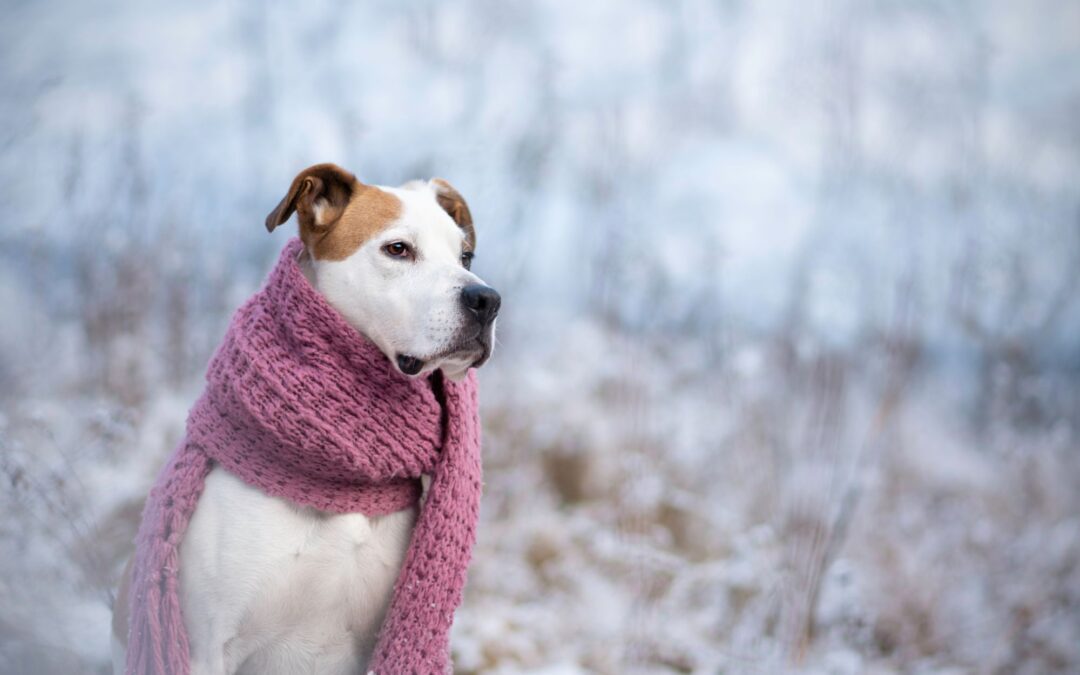
As a pet owner in Connecticut, you know how harsh the winter months can be. With freezing temperatures, snow, and icy conditions, it’s important to keep your dog safe. One of the risks that comes with cold weather exposure is hypothermia in dogs. Understanding the signs of hypothermia in dogs and knowing how to react quickly can make a significant difference in your pet’s health. This article will help you recognize the warning signs, provide first aid advice, and explain how to prevent this dangerous condition from affecting your dog.
What is Hypothermia in Dogs?
Hypothermia occurs when a dog’s body temperature drops below the normal range. While the normal body temperature for dogs is typically between 99.5-102.5°F, hypothermia in dogs happens when their body temperature falls below 99°F. As the temperature continues to drop, the dog’s ability to regulate body heat decreases, leading to serious health risks.
Just like humans, dogs rely on their bodies to maintain a stable temperature. When exposed to cold weather or wet conditions, their body temperature drops, making it difficult for them to stay warm. In severe cases, hypothermia can lead to organ failure and even death.
Why Hypothermia Happens: Causes in Dogs
According to the American Red Cross Training Services, several factors can lead to hypothermia in dogs. Understanding these causes can help you prevent this condition and protect your dog during cold weather.
- Prolonged Exposure to Cold Weather: Dogs exposed to low temperatures for extended periods, especially in extreme or wet conditions, are at a higher risk of developing hypothermia.
- Wet Fur: When a dog’s fur gets wet, it loses its ability to trap body heat. Wet fur, combined with cold winds, can quickly lower a dog’s body temperature.
- Inability to Regulate Body Temperature: Older dogs, puppies, and those with underlying health problems like heart disease or respiratory issues may have trouble regulating their body temperature. They are more prone to cold stress and hypothermia.
- Breed: Smaller dogs, short-haired breeds, or dogs with less body fat are at a greater risk of hypothermia in dogs. Some dogs have a harder time adjusting to cold temperatures.
Signs of Hypothermia in Dogs
Recognizing the signs of hypothermia in dogs early can help you prevent further complications. The symptoms can vary depending on how low the dog’s body temperature drops.
Mild Hypothermia Symptoms
In the early stages, a dog may show mild symptoms that are easy to miss if you’re not paying close attention:
- Shivering or trembling
- Cold paws, ears, or tail
- Lethargy or slowness to respond
- Weakness or reluctance to move
If you notice any of these symptoms, it’s important to act quickly to warm your dog and prevent further heat loss. Moving them to a warm room and wrapping them in warm blankets is a good first step. Also, make sure to follow winter safety tips to keep your dog warm and safe during the colder months. This will help protect them from the dangers of extreme cold.
Moderate Hypothermia Symptoms
As the dog’s body temperature drops further, the symptoms will become more noticeable:
- Shallow breathing or rapid breathing
- Weak or slow heart rate
- Loss of coordination or difficulty walking
- Dilated pupils
- Shivering may stop as the body becomes too weak to shiver
At this point, you should seek veterinary care immediately. Moderate hypothermia can quickly progress to severe hypothermia, which can be fatal if not treated promptly.
Severe Hypothermia Symptoms
In severe hypothermia, a dog’s body has difficulty maintaining its vital functions. These symptoms require emergency veterinary care:
- Unconsciousness or collapse
- Slow or weak heart rate (or no heartbeat in extreme cases)
- Blue or pale gums, indicating poor circulation
- Cold body to the touch, with little to no body heat
- Shallow or irregular breathing that may stop
If your dog shows these severe hypothermia signs, contact a veterinarian immediately and get them to a veterinary hospital. The faster you get help, the better chance your dog has of recovery.
How to Help Your Dog if They Develop Hypothermia
Prompt action can make a big difference in their recovery. Here’s what you can do:
First Aid for Mild Hypothermia
If your dog shows signs of hypothermia, it’s important to act quickly. First, bring them inside to a warm area and wrap them in cozy blankets to gently raise their body heat. You can also place a hot water bottle wrapped in a towel or a heating pad on low near them, but avoid high heat to prevent burns. If your dog is alert, offer them warm water to drink, but never force it. Stay calm and monitor them closely as they warm up.
What to Do in Severe Cases
This is an emergency, so call your vet right away. While waiting for help, cover your dog with warm, dry blankets, making sure to cover their head and feet since those areas lose the most heat. Keep them warm, but don’t apply direct heat to their skin. Focus on gradually raising their normal body temperature. Keep an eye on their breathing and heart rate. If your dog stops breathing or their heart stops, be ready to do CPR and let the vet team know.
When to Seek Veterinary Care for Hypothermia
If you think your dog has moderate or severe hypothermia, it’s important to get them to a vet as soon as possible. The vet will check your dog’s heart rate, breathing, and blood flow to see how serious the situation is. They may give your dog fluids through an IV to help with hydration and blood flow, oxygen therapy to help with breathing, and monitor their body temperature while warming them up slowly and safely. Getting your dog the right care quickly is very important for their recovery.
The veterinary team will determine the best course of treatment based on the severity of the hypothermia and any underlying illnesses your dog may have.
Preventing Hypothermia in Dogs
This is crucial during the freezing winter months. Here are a few tips to keep your dog safe:
- Limit time outdoors: Avoid long walks in extreme cold and wet conditions. If your dog needs to go outside, limit the time and ensure they stay dry.
- Dress your dog warmly: Use protective boots and dog coats to keep them warm and dry.
- Provide a warm, sheltered area: If your dog spends time outside, ensure they have access to a warm room or dog house with blankets.
- Monitor your dog’s temperature: Be aware of how cold it is outside and how long your dog is exposed to the elements. Wind chill can make a significant difference in how cold it feels.
- Watch for early signs of cold stress: Dogs may show early symptoms of hypothermia even in moderately frosty weather, especially if they’re wet.
Conclusion
Hypothermia in dogs is a serious condition, but by recognizing the signs early and taking action, you can keep your dog safe during the colder months. Always be proactive in preventing exposure to chilly weather, and if your dog shows symptoms, seek veterinary care immediately. Ridgefield Veterinary Center is here to provide expert veterinary care and veterinary advice to help protect your pet’s health and well-being during the winter months.
If you’re concerned about your dog’s health in cold weather, don’t hesitate to contact us. We’re here to provide expert care and guidance to keep your pet safe and healthy throughout the winter.
FAQs
What are the signs of hypothermia in dogs?
Hypothermia in dogs occurs when their body temperature drops below normal. Signs include shivering, lethargy, pale or blue gums, and weakness. In severe cases, dogs may become unresponsive or experience a slow heart rate.
What are the early signs of hypothermia in dogs?
Early signs of hypothermia in dogs are shivering, whining, or trying to seek warmth. They may also become less active and exhibit behavioral changes like excessive licking or curling into a ball.
What are the signs of hypothermia in dogs and cats?
Both dogs and cats exhibit similar signs of hypothermia, including shivering, lethargy, pale gums, and cold extremities. Severe cases can result in unconsciousness, low heart rate, and difficulty breathing.
What are the signs of hypothermia in small dogs?
Small dogs are more vulnerable to hypothermia. Signs include shivering, curled-up posture, slowed movement, and excessive panting. As the condition worsens, small dogs may become disoriented or unresponsive.
What are the common signs of canine hypothermia, and how can you prevent it in cold weather?
Common signs of hypothermia in canines include shivering, slow movement, and exhaustion. To prevent it, keep your dog indoors during extreme cold, provide cozy bedding, and consider using a dog sweater or jacket for added warmth on walks. Always keep an eye on your dog for signs of distress when it’s chilly outside.