
Cat Spay and Neuter Services in Ridgefield, CT
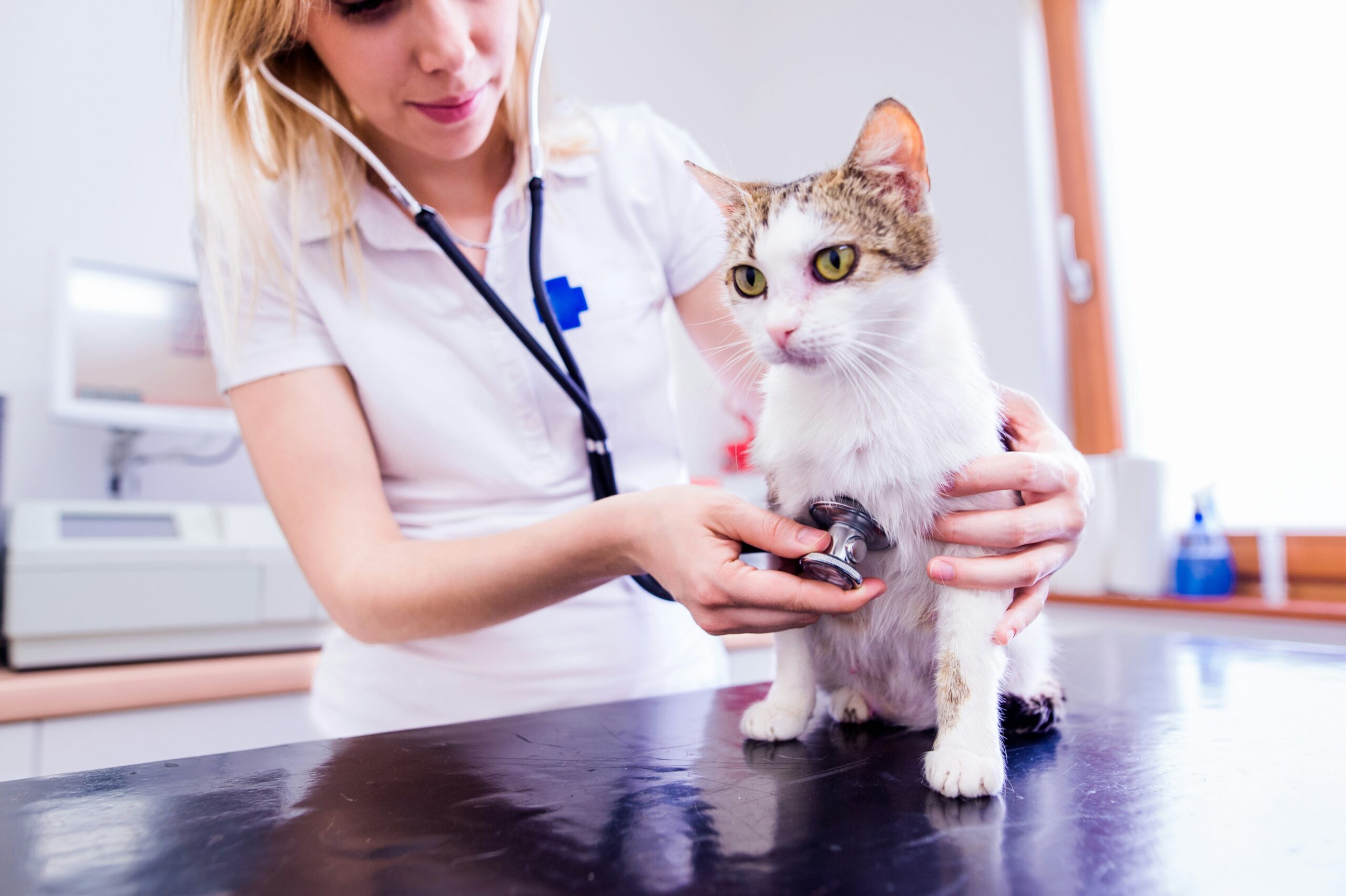
Why Spaying and Neutering Your Cat Matters
Spaying and neutering provide essential health benefits for cats while addressing critical behavior and population control issues. These routine surgical procedures are among the most important healthcare decisions you’ll make for your feline companion.
Critical benefits of spaying and neutering cats:
Life-threatening disease prevention – Spaying eliminates risk of pyometra (infected uterus requiring emergency surgery) and dramatically reduces mammary cancer risk by 90% when performed before the first heat cycle. Neutering prevents testicular cancer and reduces prostate problems.
Extended lifespan – Spayed and neutered cats live 3-5 years longer on average than intact cats due to reduced disease risk and decreased roaming behaviors that lead to injuries, fights, and accidents.
Behavior improvement – Neutered male cats eliminate spraying, marking, and yowling behaviors. Spayed females stop heat cycle vocalizations, restlessness, and attraction of male cats. Both sexes show reduced aggression and territorial behaviors.
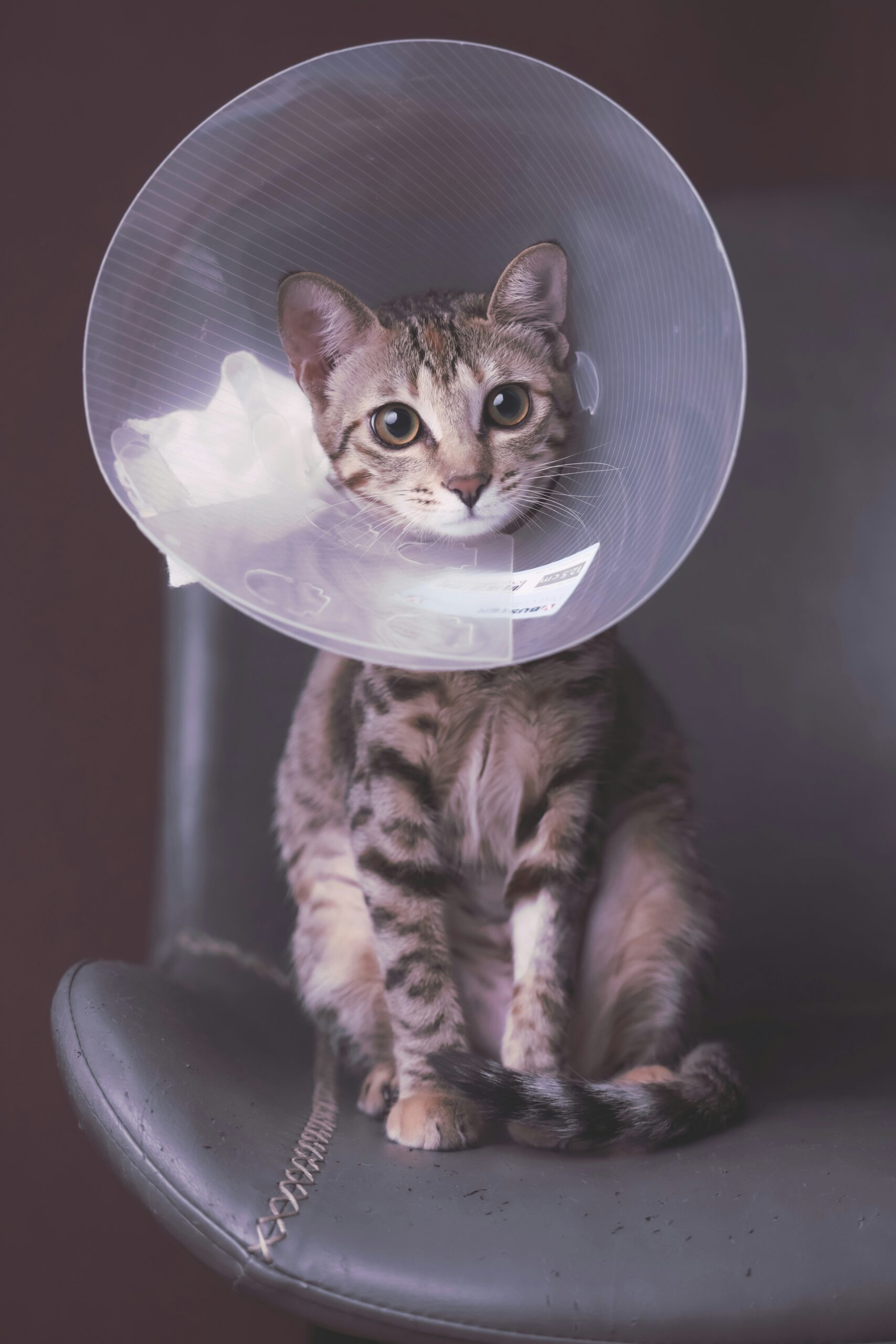
Population control crisis – A single unspayed female cat and her offspring can produce over 370,000 kittens in just seven years. Millions of cats enter shelters annually, with many euthanized due to overpopulation. Spaying and neutering directly addresses this crisis.
Indoor living quality – Intact cats often become frustrated living indoors, leading to destructive behaviors, escape attempts, and stress. Spayed and neutered cats adapt better to indoor life, creating calmer household environments.
Community harmony – Neutered male cats stop roaming, fighting, and spraying around neighborhoods, improving community relations and reducing nuisance complaints.
Ridgefield Veterinary Center combines 70 years of surgical experience with specialized feline care expertise, making spay and neuter procedures safe, gentle, and effective for cats of all ages.
What to Expect During Your Cat’s Spay or Neuter Procedure
We understand that cats experience stress differently than dogs, requiring specialized handling and care approaches. Our feline-focused protocols ensure your cat receives excellent care while minimizing anxiety.
Your cat’s spay/neuter journey:
1. Pre-Surgical Consultation (1-2 weeks before)
Schedule a consultation where our veterinarians examine your cat and discuss the procedure in a cat-friendly examination room. We review health history, explain the surgery, answer questions, and provide complete cost estimates. We discuss optimal timing based on your cat’s age and health status.
2. Pre-Operative Preparation (Morning of Surgery)
Bring your cat in the morning after an overnight fast (no food after midnight). We perform pre-anesthetic blood work evaluating organ function and anesthesia safety, including complete blood count and chemistry panels. Your cat receives a gentle physical examination before proceeding. We use feline pheromones to create a calming environment.
3. Anesthesia and Surgery (1-1.5 hours total)
Your cat receives pre-anesthetic sedation reducing anxiety and providing pain prevention. We place an IV catheter for fluid support and emergency medication access. General anesthesia is induced smoothly, and your cat is intubated to maintain the airway. Throughout surgery, dedicated veterinary technicians continuously monitor heart rate, respiratory rate, blood pressure, oxygen saturation, and body temperature using cat-appropriate equipment.
For spay surgery (females), we remove the ovaries and uterus through a small abdominal incision. For neuter surgery (males), we remove both testicles through small scrotal incisions. Procedures typically take 20-45 minutes using sterile technique and proven feline surgical methods.
4. Recovery and Monitoring (2-3 hours)
After surgery, your cat recovers in a quiet, low-stress area away from dogs and noise. We discontinue anesthesia and monitor your cat closely until fully awake, stable, and comfortable. Multiple pain medications ensure minimal discomfort. Body temperature is maintained with warming devices.
5. Discharge and Home Care (Afternoon pick-up)
Most cats go home the same day once fully alert. We provide detailed written instructions covering pain medication, incision care, activity restrictions (limit jumping and running for 7-10 days), feeding guidelines (small meal evening of surgery), and what to monitor. We schedule follow-up appointments for suture removal in 10-14 days if external stitches were used.
Total time: Drop-off around 8:00 AM, pick-up typically 3:00 – 5:00 PM the same day.
When Should You Spay or Neuter Your Cat?
Cats reach sexual maturity earlier than many pet parents realize. Early spaying and neutering prevents unwanted behaviors and provides maximum health benefits.
Recommended Spay/Neuter Timing:
Kittens (standard recommendation):
- Both males and females: Spay or neuter between 5-6 months of age, before sexual maturity
- Early spay/neuter: Some veterinarians recommend procedures as early as 8-12 weeks, especially for shelter kittens, though we typically schedule at 5-6 months for owned pets
Why early spaying/neutering matters for cats:
- Female cats can enter their first heat cycle as early as 4-5 months
- Male cats begin spraying and marking behaviors around 5-6 months
- Kittens recover quickly from surgery with minimal complications
- Early procedures prevent unwanted litters from young cats
Signs Your Cat Should Be Spayed/Neutered Soon:
For female cats:
- Approaching 5-6 months of age
- Displaying heat cycle behaviors (excessive vocalization, rolling, raising rear end)
- Attempting to escape outdoors
- Attracting male cats to your property
For male cats:
- Approaching 5-6 months of age
- Beginning to spray urine on walls, furniture, or doors
- Displaying mounting behaviors
- Showing aggression toward other cats
- Attempting to escape outdoors to find females
Adult cat adoption: If you’ve adopted an adult intact cat, schedule spay/neuter surgery within 2-4 weeks after adoption once your cat has settled. Adult cats tolerate the procedure well and often show immediate behavior improvements.
Outdoor and feral cats: Cats with outdoor access should be spayed or neutered before 5 months of age to prevent reproduction. Community trap-neuter-return (TNR) programs help control feral cat populations humanely.
Health considerations: Cats with certain health conditions may require modified timing. We evaluate your cat’s individual health status and provide personalized recommendations ensuring the safest, most beneficial surgical timing.

How Ridgefield Veterinary Center Performs Cat Spay and Neuter Differently
Feline-Specific Surgical Expertise
Cats have unique physiological and behavioral needs requiring specialized approaches. Our veterinarians understand feline anatomy, anesthetic requirements, and stress reduction techniques. We use cat-appropriate equipment, monitoring parameters, and pain management protocols optimized for feline patients.
Fear Free Feline Handling
Our Fear Free certification emphasizes low-stress handling techniques specifically for cats. We use calming pheromones in examination and recovery areas, provide quiet spaces away from dogs, minimize restraint and use gentle handling methods, allow cats time to acclimate before procedures, and ensure soft voices and calm movements throughout care.
Advanced Feline Anesthesia Safety
Cat safety during anesthesia requires specialized knowledge. We use modern anesthetic agents with rapid recovery profiles ideal for cats, adjust drug doses based on feline metabolism, provide continuous IV fluid support maintaining blood pressure, use endotracheal intubation protecting airways, and monitor body temperature carefully as cats lose heat quickly under anesthesia.
Comprehensive Patient Monitoring
Every cat receives dedicated monitoring throughout surgery. Advanced equipment tracks heart rate (cats have different normal ranges than dogs), respiratory rate and pattern, blood pressure using cat-appropriate cuff sizes, oxygen saturation, EKG readings, and body temperature with active warming.
Minimally Invasive Technique
We use precise surgical methods minimizing tissue trauma. Small incisions reduce post-operative discomfort and promote faster healing. Careful tissue handling preserves delicate feline anatomy. Modern suture materials often eliminate external stitches requiring removal.
Multimodal Pain Management
Your cat’s comfort is essential. We provide comprehensive pain control including pre-emptive analgesia before surgery, local anesthetic blocks at surgical sites, injectable pain medications during recovery, and oral pain medications for home care (typically 3-5 days). Cats hide pain naturally; proactive pain management ensures comfort.
Quick Recovery Support
Cats typically recover quickly from spay/neuter surgery with proper care. We provide quiet, dark recovery areas reducing stress, active warming maintaining body temperature, gentle monitoring checking alertness without excessive handling, and gradual reintroduction to food and water.
Specialized Feline Surgical Equipment
We maintain cat-specific surgical instruments scaled appropriately for feline anatomy, delicate tissue handling tools, fine suture materials, and cat-sized monitoring equipment ensuring accurate readings.
Experienced Feline Surgical Team
Our veterinarians have performed thousands of cat spay and neuter procedures, understanding the nuances of feline surgery. This experience translates to efficient procedures minimizing anesthesia time, recognition of feline-specific complications, gentle handling reducing stress, and confidence treating cats from tiny kittens to large adult males.
Post-Operative Care Excellence
Successful outcomes depend on proper aftercare. We provide detailed discharge instructions tailored for cats, appropriate pain medications in cat-friendly formulations, protective e-collars when needed (often unnecessary for cats), scheduled follow-up appointments, and phone support for questions during recovery.
Cat Spay and Neuter FAQs
Is spaying or neutering safe for my cat?
Will neutering stop my male cat from spraying?
How long does recovery take for cats?
Will my cat's personality change after being spayed or neutered?
Should I let my female cat have one litter first?
Will my cat gain weight after being spayed or neutered?
Can my indoor-only cat skip being spayed or neutered?
How much does cat spay or neuter surgery cost?
What if my cat won't eat after surgery?
Comprehensive Feline Health Care
Cat spay and neuter services integrate with complete veterinary care at Ridgefield Veterinary Center:
- Pet Surgery Services in Ridgefield CT – Our full surgical capabilities extend beyond spay/neuter to include mass removal, dental extractions, and soft tissue surgeries when your cat needs additional surgical care.
- Cat Vaccinations in Ridgefield CT – Protect your cat from preventable diseases. We often coordinate spay/neuter procedures with vaccination updates for comprehensive preventive care.
- Pet Wellness Exams in Ridgefield CT – Annual examinations help determine optimal spay/neuter timing and monitor your cat’s health throughout life.
- Kitten Care Services in Ridgefield CT – New kitten visits include spay/neuter counseling, ensuring you understand timing recommendations and what to expect.
- Fear Free Veterinary Care in Ridgefield CT – Learn how our certification creates positive veterinary experiences for cats, reducing stress during surgery and all appointments.
- Pet Dental Cleaning – Maintaining oral health complements overall wellness, including reproductive health management for cats.
Schedule Your Cat’s Spay or Neuter Consultation Today
Give your cat the gift of better health and longer life through professional spay or neuter surgery at Ridgefield Veterinary Center. Our experienced team understands feline needs and makes the process safe, gentle, and stress-free.
Three Easy Ways to Schedule:
📞 Call us directly: 203-438-2658 – Our team answers questions about cat spay/neuter procedures and schedules consultations.
🖥️ Book online now – Request your appointment 24/7 through our convenient online scheduling.
📍 Visit us: 722 Danbury Road, Ridgefield, CT 06877 – Monday-Friday 8:00 AM – 5:00 PM (Closed 1 – 2 PM daily)