Dog Spay and Neuter Services in Ridgefield, CT
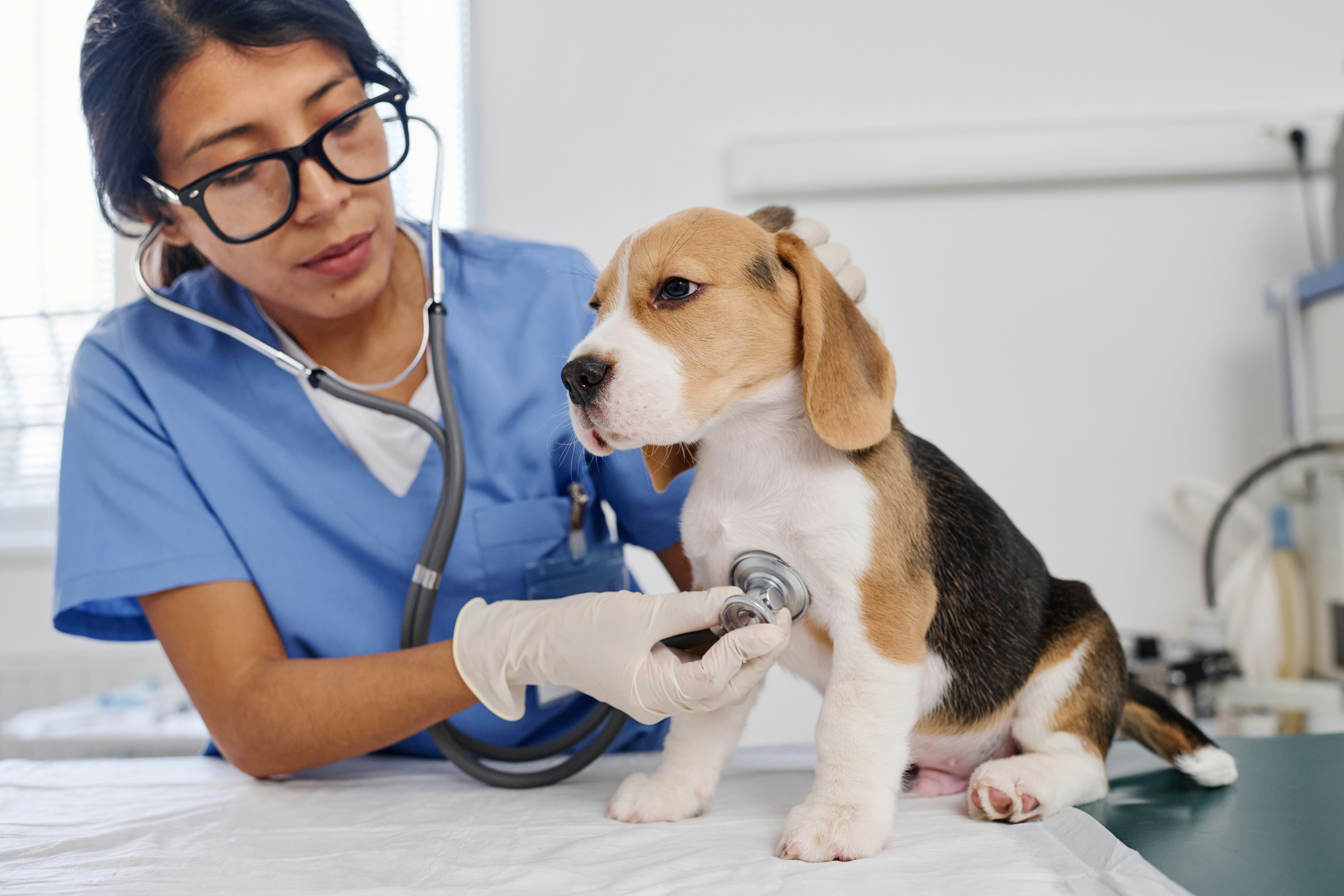
Protect your dog’s health and well-being with professional spay and neuter services from Ridgefield Veterinary Center. Since 1955, we’ve helped thousands of dogs throughout Ridgefield, Redding, Wilton, Danbury, South Salem, and North Salem live longer, healthier lives through safe reproductive surgery. Our experienced veterinarians use modern anesthesia protocols, advanced monitoring equipment, and Fear Free techniques to ensure your dog’s comfort and safety. Whether you have a young puppy or adult dog, we provide compassionate surgical care that prevents serious health problems while supporting responsible pet ownership.
Why Spaying and Neutering Your Dog Matters
Spaying and neutering are among the most important healthcare decisions you’ll make for your dog. These routine surgical procedures provide profound health benefits, prevent life-threatening diseases, and contribute to better behavior and quality of life.
Critical health benefits of spaying and neutering:
Disease prevention – Spaying eliminates risk of pyometra (life-threatening uterine infection) and dramatically reduces mammary cancer risk. Neutering prevents testicular cancer and reduces prostate disease.
Longer lifespan – Research shows spayed and neutered dogs live 1-3 years longer on average than intact dogs due to reduced disease risk and decreased roaming behaviors.
Population control – Responsible pet ownership includes preventing unwanted litters. Millions of dogs enter shelters annually; spaying and neutering directly addresses pet overpopulation.
Cost savings – Preventive surgery costs significantly less than treating reproductive cancers, pyometra emergencies, or complications from unwanted pregnancies.
Community safety – Neutered dogs exhibit fewer aggressive and territorial behaviors, reducing bite incidents and roaming-related accidents.
Ridgefield Veterinary Center combines 70 years of surgical experience with modern veterinary medicine, making spay and neuter procedures safe, comfortable, and effective for dogs of all breeds and sizes.
What to Expect During Your Dog’s Spay or Neuter Procedure
We understand that pet parents often feel anxious about surgery. Our comprehensive approach ensures your dog receives excellent care while keeping you informed throughout the process.
Your dog’s spay/neuter journey:
1. Pre-Surgical Consultation (1-2 weeks before)
Schedule a consultation appointment where our veterinarians examine your dog and discuss the procedure. We review your dog’s health history, explain the surgery in detail, answer all questions, and provide a complete cost estimate. We’ll discuss optimal timing based on your dog’s breed, size, and development stage.
2. Pre-Operative Preparation (Morning of Surgery)
Bring your dog in the morning after an overnight fast (no food after midnight; water until morning). We perform pre-anesthetic blood work to evaluate organ function and ensure anesthesia safety. This includes complete blood count and chemistry panels assessing liver, kidney, and overall health. Your dog receives a final physical examination before proceeding.
3. Anesthesia and Surgery (1-2 hours total)
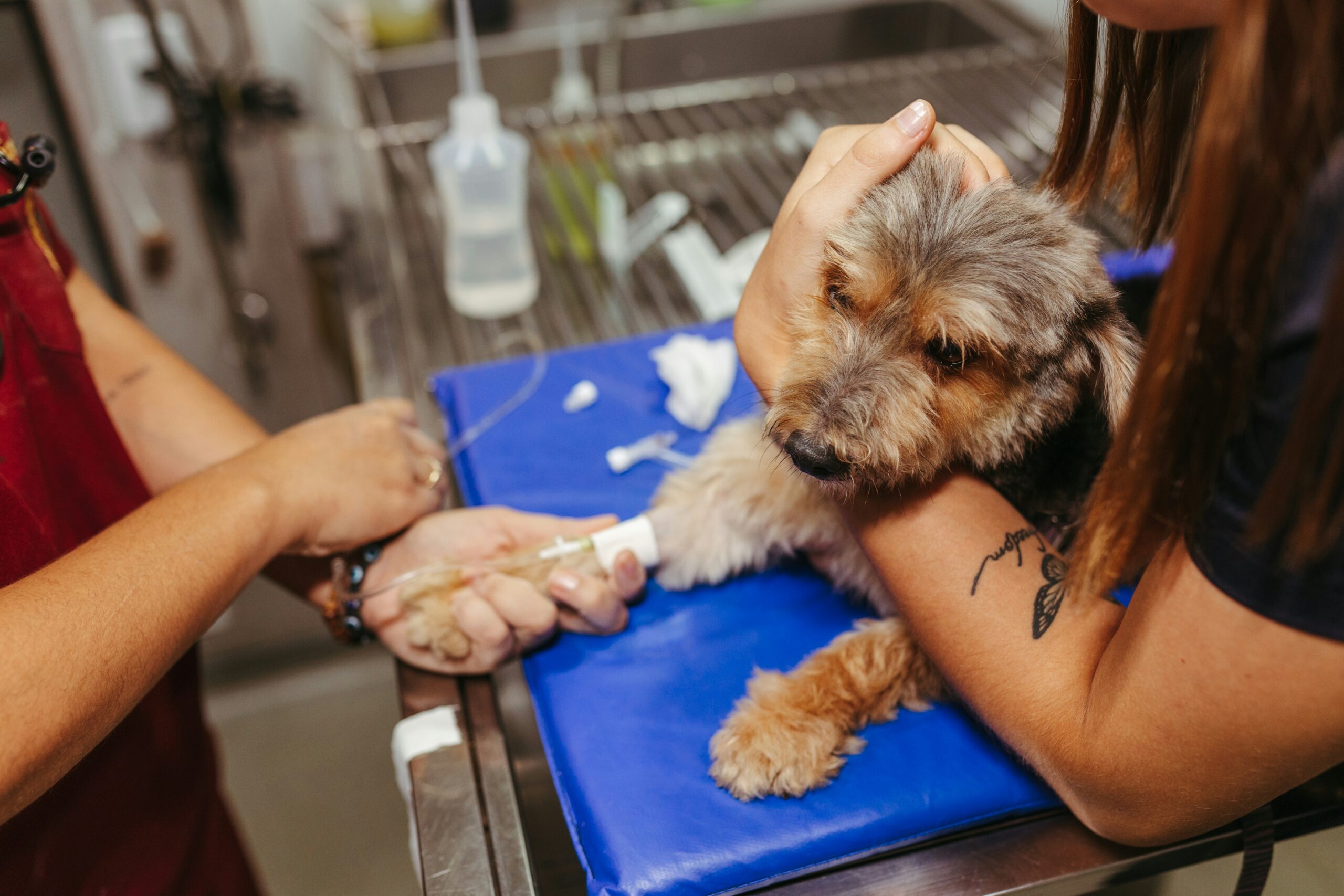
Your dog receives pre-anesthetic sedation for anxiety relief and pain prevention. We place an IV catheter for fluid support and emergency medication access. General anesthesia is induced gently, and your dog is intubated to maintain the airway. Throughout surgery, dedicated veterinary technicians monitor heart rate, respiratory rate, blood pressure, oxygen saturation, and body temperature continuously.
For spay surgery (females), we remove the ovaries and uterus through a small abdominal incision. For neuter surgery (males), we remove both testicles through a small incision near the scrotum. Both procedures typically take 30-60 minutes using sterile technique and proven surgical methods.
4. Recovery and Monitoring (2-3 hours)
After surgery, anesthesia is discontinued and your dog recovers under close supervision until fully awake, stable, and comfortable. We provide multiple pain medications ensuring your dog experiences minimal discomfort. Body temperature is monitored and maintained with warming devices.
5. Discharge and Home Care (Afternoon pick-up)
Most dogs go home the same day once fully alert and comfortable. We provide detailed written instructions covering pain medication administration, incision care, activity restrictions (no running, jumping, or rough play for 10-14 days), feeding guidelines, and what to watch for during recovery. We schedule a follow-up appointment for suture removal in 10-14 days.
Total time: Drop-off around 8:00 AM, pick-up typically 3:00 – 5:00 PM the same day.
When Should You Spay or Neuter Your Dog?
Timing matters for optimal health outcomes. Our recommendations are based on current veterinary research and your individual dog’s needs.
Recommended Spay/Neuter Timing:
Small and medium breed dogs (under 50 lbs):
- Females: Spay between 6-9 months of age, ideally before the first heat cycle. Early spaying provides maximum protection against mammary cancer.
- Males: Neuter between 6-9 months of age, before sexual maturity and development of marking behaviors.
Large and giant breed dogs (over 50 lbs):
- Females: Spay between 9-15 months of age, allowing for growth plate maturity while still providing health benefits.
- Males: Neuter between 12-18 months of age, after skeletal development is complete. Research suggests delaying neutering in large breed males may reduce orthopedic disease risk.
Breed-specific considerations: Golden Retrievers, Labrador Retrievers, German Shepherds, and other large breeds may benefit from delayed spaying/neutering to allow complete bone development. We provide individualized recommendations during wellness examinations.
Signs Your Dog Should Be Spayed/Neutered Soon:
For females:
- Approaching 6-9 months of age (small/medium breeds)
- Showing early heat cycle signs (swelling, discharge, behavior changes)
- Displaying unwanted attention from male dogs
- Experiencing false pregnancies or irregular heat cycles
For males:
- Approaching 6-9 months of age (small/medium breeds)
- Beginning marking behaviors inside the house
- Showing mounting or humping behaviors
- Displaying aggression or dominance with other dogs
- Attempting to escape or roam when females are in heat nearby
Adult dog adoption: If you’ve adopted an adult intact dog, schedule spay/neuter surgery soon after adoption once your dog has settled into your home (typically 2-4 weeks).
Health considerations: Dogs with certain health conditions may require modified timing. We evaluate your dog’s individual health status and provide personalized recommendations ensuring the safest, most beneficial surgical timing.
How Ridgefield Veterinary Center Performs Dog Spay and Neuter Differently
Individualized Surgical Planning
Every dog receives personalized care based on size, breed, age, and health status. Small breed dogs require different surgical approaches than giant breeds. We adjust anesthetic protocols, surgical techniques, and pain management plans to match your dog’s specific needs.
Advanced Anesthesia Safety
Dog safety is our absolute priority. We use modern, safe anesthetic agents with smooth induction and rapid recovery. Pre-anesthetic medications reduce anxiety and provide preemptive pain control. Continuous IV fluid support maintains blood pressure and organ perfusion throughout surgery. Endotracheal intubation ensures proper oxygenation and airway protection.
Sophisticated Patient Monitoring
Every surgical patient receives dedicated monitoring from induction through complete recovery. Advanced equipment tracks heart rate, respiratory rate, blood pressure, oxygen saturation, EKG, and body temperature. Veterinary technicians remain with your dog continuously, allowing immediate intervention if any parameter changes. This intensive monitoring significantly enhances safety, especially for brachycephalic breeds, toy breeds, and senior dogs.
Minimally Invasive Surgical Technique
We use precise surgical methods minimizing tissue trauma and promoting faster healing. Small, strategically placed incisions reduce post-operative discomfort. Careful tissue handling and proper closure techniques minimize scarring. Modern suture materials and methods often eliminate external stitches requiring removal.
Comprehensive Pain Management
Your dog’s comfort is paramount. We use multimodal pain management including pre-emptive analgesia before surgery begins, local anesthetic blocks at the surgical site, injectable pain medications during recovery, and oral pain medications for home care (typically 3-7 days). Modern pain protocols mean your dog experiences minimal discomfort.
Fear Free Surgical Experience
Our Fear Free certification ensures low-stress experiences throughout the surgical process. We use calming pheromones in recovery areas, provide gentle handling during all interactions, minimize noise and visual stressors, offer comfortable bedding and warmth, and ensure compassionate discharge with clear instructions. Reduced stress improves recovery outcomes and creates positive veterinary experiences.
Sterile Surgical Protocols
We maintain strict, sterile techniques preventing infections. All surgical instruments are properly sterilized, surgical sites receive multiple antimicrobial scrubs, our surgical team uses sterile gowns and gloves, and we follow established infection prevention protocols. Post-operative infection rates are extremely low with proper sterile technique.
Experienced Surgical Team
Our veterinarians have performed thousands of spay and neuter procedures over seven decades of combined practice. This extensive experience translates to surgical proficiency, efficient procedures minimizing anesthesia time, and confidence handling dogs of all sizes and breeds—from tiny Chihuahuas to giant Great Danes.
Post-Operative Support
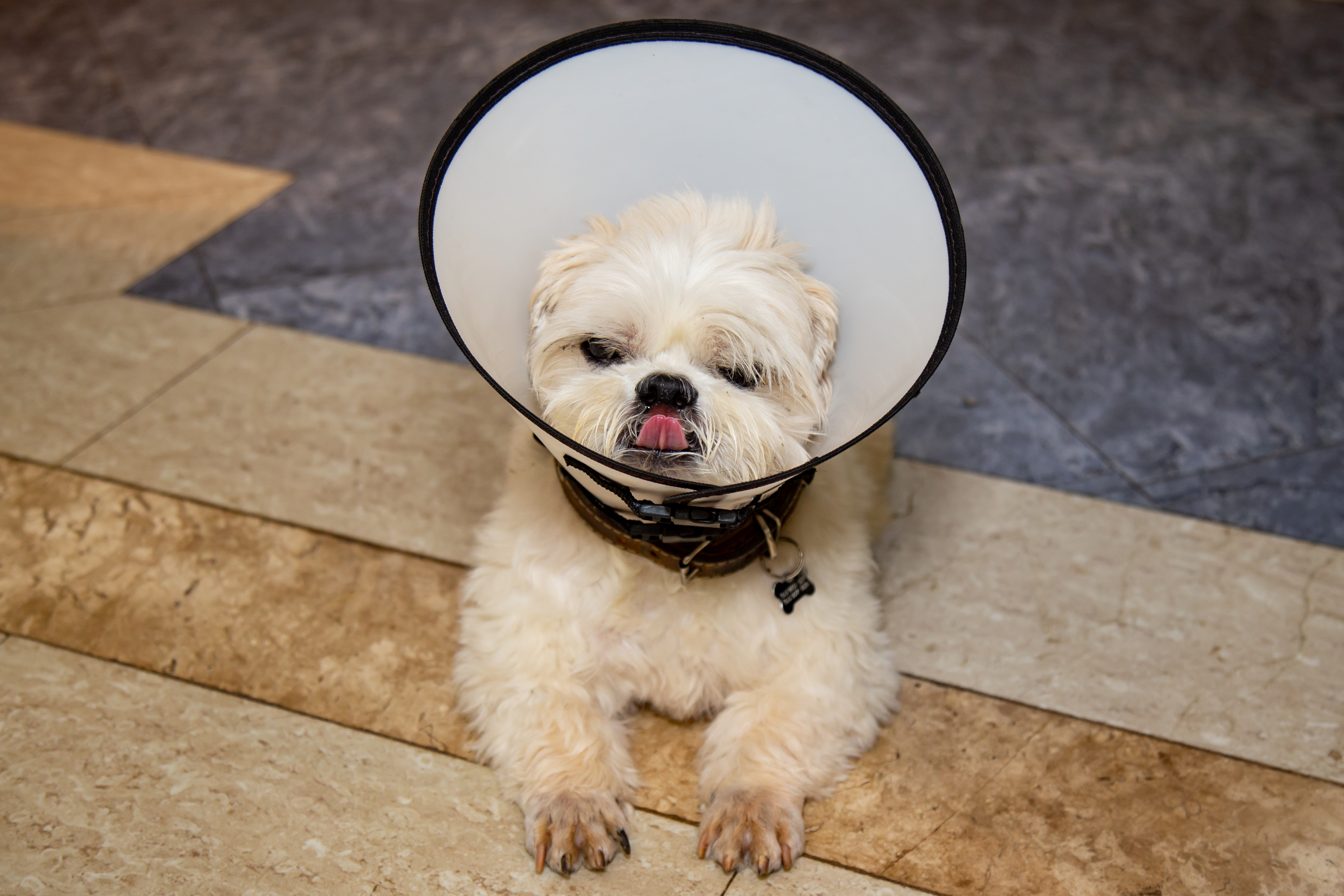
Surgery success depends on proper aftercare. We provide comprehensive written discharge instructions, adequate pain medications, protective e-collars when needed, scheduled follow-up appointments, and phone support if questions arise. We’re invested in your dog’s complete recovery, not just the surgery itself.
Dog Spay and Neuter FAQs
Is spaying or neutering safe for my dog?
Spay and neuter procedures are among the safest surgeries in veterinary medicine. We perform pre-anesthetic blood work, use modern anesthesia protocols, provide continuous monitoring, and maintain sterile technique. Serious complications are rare in healthy dogs. We discuss any breed-specific or health-related risks during your pre-surgical consultation.
How long does my dog's recovery take?
Will spaying or neutering change my dog's personality?
Will my dog gain weight after being spayed or neutered?
Should I let my female dog have one heat cycle first?
Is the surgery more difficult or risky for large breed dogs?
Can my senior dog be safely spayed or neutered?
How much does dog spay or neuter surgery cost?
What if my dog develops complications after surgery?
Comprehensive Health Care for Your Dog
Dog spay and neuter services integrate with complete veterinary care at Ridgefield Veterinary Center:
- Pet Surgery Services in Ridgefield CT – Our full surgical capabilities extend beyond spay/neuter to include mass removal, emergency procedures, and soft tissue surgeries when your dog needs additional surgical care.
- Dog Vaccinations in Ridgefield CT – Protect your dog from preventable diseases. We often coordinate spay/neuter procedures with vaccination updates for comprehensive preventive care.
- Pet Wellness Exams in Ridgefield CT – Annual examinations help determine optimal spay/neuter timing and monitor your dog’s health throughout life.
- Puppy Care Services in Ridgefield CT – New puppy visits include spay/neuter counseling, ensuring you understand timing recommendations for your specific breed.
- Fear Free Veterinary Care in Ridgefield CT – Learn how our certification creates positive veterinary experiences, reducing stress during surgery and all appointments.
- Pet Dental Cleaning – Maintaining oral health complements overall wellness, including reproductive health management.
Schedule Your Dog’s Spay or Neuter Consultation Today
Give your dog the gift of better health and longer life through professional spay or neuter surgery at Ridgefield Veterinary Center. Our experienced team makes the process safe, comfortable, and stress-free.
Three Easy Ways to Schedule:
📞 Call us directly: 203-438-2658 – Our team answers questions about dog spay/neuter procedures and schedules consultations.
🖥️ Book online now – Request your appointment 24/7 through our convenient online scheduling.
📍 Visit us: 722 Danbury Road, Ridgefield, CT 06877 Monday-Friday 8:00 AM – 5:00 PM (Closed 1 – 2 PM daily)