Kitten Wellness Care Services in Ridgefield, CT
Kitten Wellness Care Services in Ridgefield, CT
Give your new kitten the healthiest start possible with comprehensive wellness care from Ridgefield Veterinary Center. Since 1955, we’ve provided expert veterinary services for kittens throughout Ridgefield, Redding, Wilton, Danbury, South Salem, and North Salem. Our kitten wellness program includes complete health examinations, essential vaccinations, parasite prevention, nutrition counseling, behavior guidance, and spay/neuter planning. With 70 years of trusted expertise and Fear Free certification, we ensure your kitten’s veterinary experiences are positive, stress-free, and set the foundation for a lifetime of excellent health.
Why Kitten Wellness Care Matters for Your New Companion
The first year of your kitten’s life is critical for establishing lifelong health. Kittens require specialized veterinary care different from that of adult cats, including multiple vaccination series, frequent growth monitoring, early disease detection, parasite prevention protocols, and nutritional guidance supporting proper development.
Comprehensive kitten wellness care prevents serious diseases, identifies congenital problems early when most treatable, establishes positive veterinary experiences reducing future anxiety, provides essential health clearance during the critical socialization period, supports optimal growth and development, and creates a veterinary relationship for your cat’s entire life.

Critical aspects of quality kitten wellness care:
- Disease prevention – Vaccination series protects against deadly diseases like feline panleukopenia, feline herpesvirus, and rabies
- Parasite control – Prevention protocols eliminate intestinal worms, heartworm, fleas, and ticks
- Growth monitoring – Regular weight checks and physical exams ensure proper development
- Early problem detection – Examinations identify congenital heart murmurs, hernias, and developmental concerns
- Nutrition optimization – Proper diet supports bone growth, immune function, and ideal body condition
- Behavior foundation – Early guidance prevents common behavior problems like scratching, biting, and litter box issues
- Positive experiences – Fear Free techniques create stress-free visits establishing lifelong comfort with veterinary care
Ridgefield Veterinary Center’s kitten wellness program provides comprehensive care during your cat’s most critical developmental period, ensuring they grow into healthy, well-adjusted adult cats.
What to Expect During Your Kitten’s Wellness Visits
Comprehensive kitten care requires multiple veterinary visits during the first year. Ridgefield Veterinary Center’s kitten wellness program provides thorough evaluation, essential preventive care, and expert guidance, helping your kitten thrive.
Your kitten’s wellness program includes:
1. First Kitten Visit (8 Weeks Old – 30 minutes)
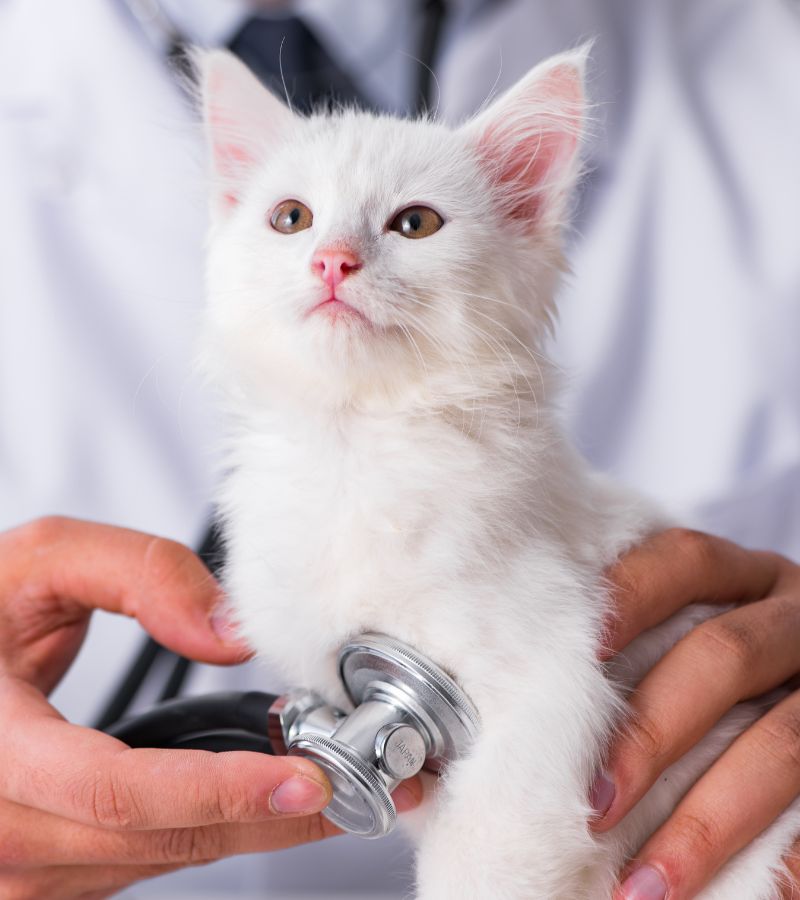
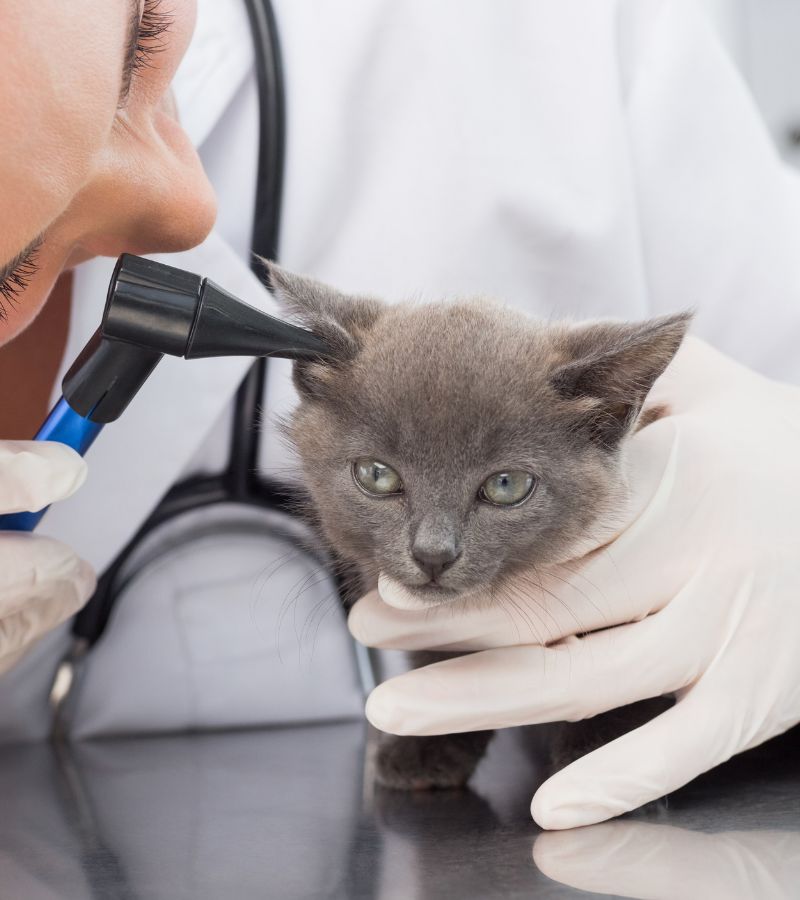
Your kitten’s first veterinary visit establishes their baseline health and begins essential preventive care. We perform a complete nose-to-tail physical examination, checking heart, lungs, abdomen, eyes, ears, mouth, skin, coat, and musculoskeletal system for proper development and any congenital abnormalities.
We administer the first FVRCP vaccinations (feline viral rhinotracheitis, calicivirus, and panleukopenia) and discuss feline leukemia virus (FeLV) vaccination based on lifestyle. We provide first heartworm, flea, and tick prevention. Fecal testing screens for intestinal parasites, with deworming administered if needed.
We provide comprehensive new kitten counseling covering nutrition, litter box training, scratching post guidance, socialization, kitten-proofing your home, appropriate play, and what to expect during the first weeks.
2. Second Kitten Visit (12 Weeks Old – 30 minutes)
Physical examination evaluates growth progress and checks for any new concerns. Second FVRCP booster continues building immunity. FeLV vaccination is administered if lifestyle indicates risk. We continue monthly parasite prevention and discuss behavior topics, including scratching, play aggression, litter box habits, and introducing other household pets.
3. Third Kitten Visit (16 Weeks Old – 30 minutes)
Final kitten vaccination visit completes the immunity series. The third FVRCP booster completes the core series. Rabies vaccination is administered (legally required). FeLV booster if started previously. We discuss spay/neuter timing, transitioning to adult food, dental care, and adolescent stage expectations.
4. Six-Month Visit (Optional but Recommended – 30 minutes)
Physical examination checks development progress. We discuss the spay/neuter procedure if upcoming, address adolescent behavior concerns, ensure parasite prevention compliance, and review nutrition adjustments.
5. One-Year Wellness Exam (Annual Visit – 30 minutes)
Your kitten transitions to adult cat care. We perform a comprehensive physical examination, administer annual vaccination boosters (FVRCP and rabies), conduct FeLV testing if indicated, perform fecal examination, and may recommend baseline blood work. We discuss adult nutrition, long-term preventive care, dental cleaning timing, and any health concerns.
Total first-year visits: Most kittens require 4-5 wellness visits during their first year, ensuring proper growth, complete vaccination protection, and comprehensive preventive care, establishing lifelong health.
When Should Kitten Wellness Care Begin?
Kitten wellness care should start as soon as you bring your new kitten home, typically around 8 weeks of age. Early veterinary care ensures your kitten receives timely vaccinations, parasite prevention, and health screening during critical developmental periods.
Recommended Kitten Wellness Schedule
- First visit (8 weeks): Initial examination, first FVRCP vaccination, fecal test, deworming, heartworm/flea/tick prevention start
- Second visit (12 weeks): Examination, second FVRCP vaccination, FeLV vaccination if recommended, continued parasite prevention
- Third visit (16 weeks): Examination, third FVRCP vaccination, rabies vaccination, FeLV booster if started, spay/neuter discussion
- Optional six-month visit: Growth check, pre-spay/neuter exam, behavior assessment
One-year visit: Annual examination, vaccination boosters, FeLV testing if indicated, transition to adult care schedule
Signs Your Kitten Needs Immediate Veterinary Attention
Between scheduled wellness visits, contact us immediately if your kitten experiences vomiting or diarrhea lasting more than 24 hours, lethargy or extreme tiredness, loss of appetite for more than one meal, difficulty breathing or persistent coughing or sneezing, pale gums or weakness, seizures or collapse, known toxic substance ingestion, straining to urinate or defecate, or severe injury.
Vaccination Timing Is Critical
Kittens receive temporary immunity from their mother’s milk, but this protection wanes between 6-16 weeks, creating a vulnerable period. The vaccination series, timed at 3-4 week interval,s ensures continuous protection as maternal immunity fades. Missing or delaying vaccines leaves kittens susceptible to deadly diseases. Completing the full series on schedule provides optimal protection.
Socialization and Health Clearance
The critical socialization period occurs between 2-7 weeks when kittens most easily learn to accept new experiences. By the time you bring your kitten home, this window is closing, but continued positive experiences remain important. However, incomplete vaccination makes kittens vulnerable to disease exposure. We provide guidance on safe socialization strategies including keeping kittens indoors until fully vaccinated, controlled exposure to vaccinated, healthy cats only, proper handling and gentle play, and avoiding contact with unknown cats or outdoor environments.
How Ridgefield Veterinary Center Provides Kitten Wellness Care Differently
Fear Free Kitten Visit Protocols
First veterinary experiences shape your kitten’s lifelong attitude toward medical care. Our Fear Free certification means we use positive reinforcement and treats, provide comfortable surfaces and hiding spaces, allow free exploration of the exam room, use gentle handling with minimal restraint, apply calming feline pheromones, and keep dogs in separate areas. Positive early experiences create cats who willingly accept veterinary care throughout their lives.
Comprehensive New Kitten Education
We provide extensive owner education covering litter box training, scratching post training, proper socialization and handling, kitten-proofing your home, nutrition and feeding schedules, play aggression management, safe toys and enrichment, and common behavior problem solutions. Informed owners raise healthier, better-behaved cats.
Individualized Vaccination Protocols
We tailor vaccine recommendations based on your kitten’s lifestyle including indoor-only versus outdoor access, multi-cat household considerations, FeLV status of other cats, geographic disease prevalence, and travel plans. This approach provides necessary protection without over-vaccinating.
Complete Parasite Prevention Program
Our comprehensive program includes monthly heartworm prevention, flea and tick prevention (important even for indoor cats), and intestinal parasite control through fecal testing and deworming. Year-round prevention provides continuous protection.
Nutrition Counseling for Optimal Growth
We provide guidance on selecting quality kitten food meeting AAFCO standards, appropriate portion sizes, feeding schedules, transitioning between foods, avoiding toxic foods, and addressing special dietary needs. Proper nutrition supports immune function and ideal body condition.
Understanding Feline Behavior
Our veterinarians understand feline body language and stress signals, litter box preferences, scratching behavior, play versus true aggression, socialization needs, environmental enrichment, and multi-cat household dynamics. This expertise guides behavior counseling and problem prevention.
Kitten Behavior and Training Support
We provide early intervention guidance for inappropriate scratching, play aggression and biting, litter box avoidance, destructive behavior, fear or aggression toward people or pets, and indoor cat enrichment. Early guidance prevents problems from becoming ingrained behaviors.
Spay/Neuter Planning and Education
We discuss optimal timing (typically 5-6 months), health benefits including cancer prevention, behavioral impacts including reduced spraying and roaming, provide detailed procedure information, and schedule surgery at the appropriate age.
Lifetime Health Partnership
Your kitten’s wellness visits establish a veterinary relationship lasting their entire life. We maintain complete medical records, track vaccination history, monitor growth and weight trends, document health conditions, and provide continuity of care with veterinarians who know your cat’s complete history.
70 Years of Kitten Care Experience
Since 1955, we’ve cared for thousands of kittens. This extensive experience means recognizing normal versus abnormal development, identifying subtle congenital problems, understanding breed-specific needs, and providing realistic expectations for new kitten owners.
Kitten Wellness Care FAQs
When should I bring my new kitten to the veterinarian?
Schedule your kitten’s first visit within a few days of bringing them home, ideally around 8 weeks of age. This early visit begins essential vaccinations, screens for parasites and health issues, and guides new kitten care. Bring any vaccination records from your breeder or shelter.
How many vet visits does a kitten need in the first year?
Kittens need 4-5 visits: three vaccination appointments at 8, 12, and 16 weeks; an optional 6-month checkup; and a one-year exam. These visits ensure complete vaccination protection, monitor growth, prevent parasites, and detect health concerns early.
What vaccinations does my kitten need?
Core vaccines for all kittens:
- FVRCP (feline distemper complex) – at 8, 12, and 16 weeks
- Rabies – at 16 weeks (legally required)
Lifestyle-based vaccines:
- FeLV (feline leukemia) – recommended for outdoor cats or those exposed to unknown cats
We customize vaccination protocols based on your kitten’s indoor/outdoor lifestyle, household situation, and risk factors.
Can I take my kitten outside before vaccinations are complete?
No. Keep kittens strictly indoors until one week after their final vaccination at 16 weeks (total 17 weeks). Unvaccinated kittens are vulnerable to fatal diseases like panleukopenia and feline leukemia. Avoid contact with unknown cats and outdoor environments during this period.
Why does my kitten need multiple FVRCP shots?
Kittens have temporary immunity from their mother that fades between 6 and 16 weeks. Multiple vaccines spaced 3-4 weeks apart ensure continuous protection as this maternal immunity decreases. A single shot provides inadequate immunity; the complete series is essential for protection against deadly diseases.
What is the best food for kittens?
Feed high-quality kitten food meeting AAFCO standards with 30-40% protein and meat as the first ingredient. Choose wet food, dry food, or both. Kitten food contains higher protein and fat than adult food to support rapid growth. Continue kitten formula until 12 months of age.
How many times a day should I feed my kitten?
- 8-16 weeks: 3-4 meals daily
- 4-6 months: 3 meals daily
- 6-12 months: 2 meals daily
Follow package feeding guidelines based on weight, adjusting to maintain ideal body condition. Avoid free-feeding to prevent obesity and monitor appetite.
At what age should kittens be spayed or neutered?
We recommend 5-6 months before sexual maturity. This timing prevents unwanted pregnancies (cats can reproduce at 4-6 months), reduces spraying and roaming behaviors, eliminates reproductive cancer risks, and allows for faster recovery.
How do I stop my kitten from biting me?
Never use hands or feet as toys. Redirect biting to appropriate toys like feather wands and plush mice. Stop playing immediately when hard biting occurs, say “ouch” and walk away. Provide 2-3 active play sessions daily (15-20 minutes each). If biting is severe or aggressive (not playful), schedule a behavior consultation.
How do you train a kitten to use a litter box?
Most kittens use litter boxes instinctively. Provide one box per cat plus one extra in quiet, accessible locations. Use unscented clumping litter in uncovered boxes. Show your kitten the box location and place them in it after meals, naps, and play. Scoop daily. Persistent avoidance may indicate medical issues like urinary tract infections, contact us for evaluation.
Why does my kitten have worms even though they came from a breeder/shelter?
Intestinal parasites are extremely common because kittens get worms before birth through the placenta, through their mother’s milk, from environmental exposure, or from fleas. Common parasites include roundworms, hookworms, tapeworms, and Giardia. Parasites cause diarrhea, vomiting, and poor growth, and some transmit to people. This is why fecal testing and deworming are standard at every kitten visit.
Do indoor-only kittens need heartworm prevention?
Yes. Mosquitoes that spread heartworm easily enter homes through doors, windows, and screens. Studies show up to 30% of heartworm-positive cats are indoor-only. Heartworm disease is often fatal in cats and has no safe treatment, prevention is the only option. Monthly prevention costs $10-20 and protects against this serious disease.
How long does it take for a kitten to adjust to a new home with other pets?
Proper introductions take 1-2 weeks, sometimes 3-4 weeks for cautious pets:
- Week 1: Keep the kitten separated. Allow pets to smell each other under doors. Swap bedding between pets. Feed on opposite sides of the closed door.
- Week 2: Allow visual contact through the baby gate. Supervise brief face-to-face meetings (5-10 minutes). Reward calm behavior.
• • Week 3+: Gradually increase supervised time together. Provide multiple resources (litter boxes, food bowls, perches).

How long does it take for a kitten to adjust to a new home with other pets?
Proper introductions take 1-2 weeks, sometimes 3-4 weeks for cautious pets:
- Week 1: Keep the kitten separated. Allow pets to smell each other under doors. Swap bedding between pets. Feed on opposite sides of the closed door.
- Week 2: Allow visual contact through the baby gate. Supervise brief face-to-face meetings (5-10 minutes). Reward calm behavior.
- Week 3+: Gradually increase supervised time together. Provide multiple resources (litter boxes, food bowls, perches).
Comprehensive Veterinary Services for Your Growing Kitten
Kitten wellness care integrates multiple veterinary services supporting your cat’s development and long-term health:
Cat Vaccinations in Ridgefield, CT – Comprehensive vaccination series protecting kittens from deadly diseases, including panleukopenia, feline herpesvirus, calicivirus, rabies, and feline leukemia virus.
Pet Wellness Exams in Ridgefield, CT – Annual examinations continue throughout your cat’s life after kittenhood, maintaining preventive care and early disease detection.
Spay Neuter Services in Ridgefield, CT – Surgical sterilization, typically performed around 5-6 months, prevents reproductive cancers, eliminates unwanted pregnancies, and reduces spraying behavior.
Pet Dental Care in Ridgefield, CT – Establishing tooth brushing habits during kittenhood prevents dental disease. Professional cleanings begin when needed to maintain oral health.
Kitten Behavior Consultations – Professional guidance addresses common kitten behavior problems, including litter box issues, scratching, play aggression, and socialization concerns, before they become serious issues.
Fear Free Veterinary Care – Our certification ensures every kitten visit uses positive, low-stress techniques, creating cats who willingly accept veterinary care throughout their lives.
Schedule Your Kitten’s First Wellness Visit Today!
Give your new kitten the healthiest start possible with comprehensive wellness care from Ridgefield Veterinary Center. Our Fear Free certified team provides expert veterinary services, essential vaccinations, and guidance, helping your kitten thrive.
Three Easy Ways to Schedule:
📞 Call us directly
203-438-2658 Our team answers new kitten questions and schedules your first wellness visit.
🖥️ Book online now
Request a kitten wellness appointment 24/7.
📍 Visit us
722 Danbury Road, Ridgefield, CT 06877
Monday-Friday 8:00 AM – 5:00 PM (Closed 1-2 PM daily)