
Pet Cancer Treatment Options in Ridgefield, CT
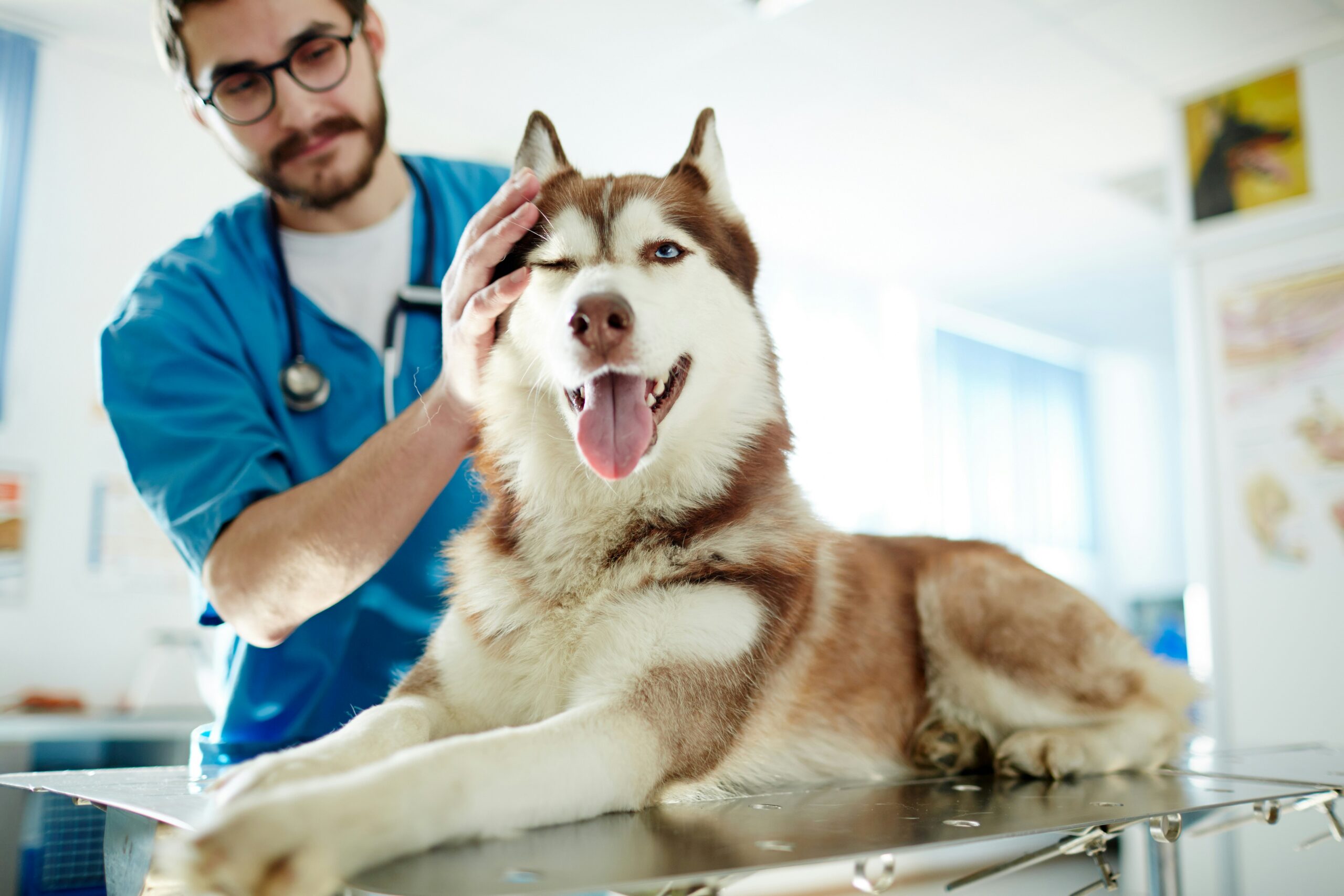
Whether your dog has a newly discovered mass or your cat has received abnormal lab results, we guide you through the process with honesty, empathy, and a clear plan forward.
Why Early Detection and Informed Decision-Making Matter
Cancer in dogs and cats can take many forms, from slow-growing skin masses to aggressive internal tumors. The earlier a cancer is identified and evaluated, the more options are typically available for treatment and management. Even when a cure is not possible, early intervention often leads to longer periods of comfortable, quality living.
Cancer Can Develop Quietly Before Symptoms Appear
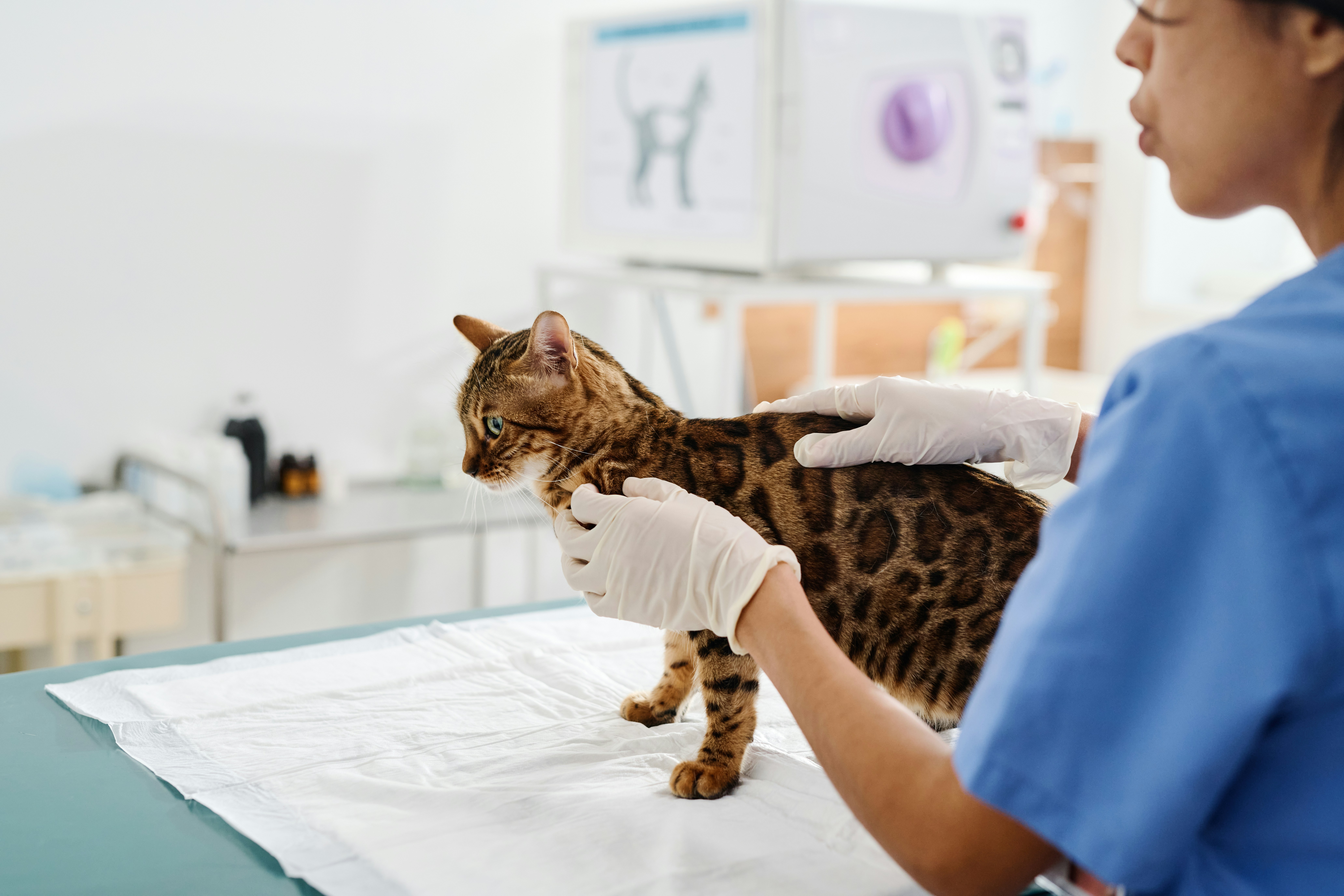
Many cancers in pets progress without obvious outward signs in the early stages. Subtle changes that may point to an underlying cancer include:
- A new lump or mass that appears on or beneath the skin
- Unexplained weight loss despite a normal appetite
- Wounds or sores that do not heal as expected
- Enlarged lymph nodes are detectable during physical examination
- Persistent changes in energy level or stamina
- Abnormal bleeding or discharge from any body opening
Some cancers are only discovered through routine bloodwork, imaging, or physical exam findings during a wellness visit, which is why regular veterinary checkups play an important role in early detection.
Cancer Affects More Than the Tumor Itself
Dogs and cats living with cancer may experience:
- Chronic pain or discomfort at the tumor site or from metastatic disease
- Loss of appetite, nausea, or changes in eating habits
- Fatigue, lethargy, or progressive weakness
- Difficulty breathing if the chest or lungs are involved
- Organ dysfunction as the disease progresses
- Behavioral changes including withdrawal, irritability, or disrupted sleep
Understanding the full impact of cancer on your pet’s daily life helps your veterinarian develop a treatment and comfort plan that addresses both the disease and your pet’s overall well-being.
Every Pet’s Cancer Is Different
The same type of cancer can behave very differently from one pet to another. Factors such as tumor type, location, stage at diagnosis, your pet’s age, and their overall health all influence which treatment approach will be most beneficial. This is why individualized evaluation and an honest discussion about goals and expectations are essential parts of cancer care.
How Cancer Care Works at Ridgefield Veterinary Center
At Ridgefield Veterinary Center, cancer care begins with a thorough evaluation to understand what your pet is facing. From there, we work with you to determine the best course of action based on your pet’s diagnosis, health status, and your family’s goals.
Step 1: The Initial Evaluation
During your pet’s appointment, our veterinarian performs a complete physical examination with specific attention to any masses, swellings, or areas of concern. We review your pet’s history, discuss the symptoms you have observed, and assess your pet’s overall condition.
If a mass or suspicious finding is present, the veterinarian may recommend a fine needle aspirate or biopsy to collect cells for analysis. This is often the first step in determining whether a growth is benign or malignant.
Step 2: Diagnostic Workup and Staging
When cancer is confirmed, or strongly suspected, additional diagnostics help determine the type of cancer, how far it has progressed, and whether it has spread. Diagnostic tools available at our clinic include:
- Bloodwork and urinalysis – to evaluate organ function, blood cell counts, and overall health status
- Digital radiographs (X-rays) for dogs and cats – to check for masses in the chest or abdomen and assess whether cancer has spread to the lungs or bones
- Ultrasound – to examine internal organs and identify masses not visible on radiographs, provided through our partnership with Veterinary Multi-Imaging (VMI)
- Fine needle aspirate and cytology – to collect and analyze cells from lumps, lymph nodes, or fluid accumulations
- Biopsy and histopathology – tissue samples sent to a veterinary pathology lab for definitive diagnosis and tumor grading
- Advanced imaging (MRI) – available through VMI when a more detailed evaluation of a tumor’s location and extent is needed
Staging helps your veterinarian explain the prognosis clearly and guides treatment recommendations so you can make informed decisions.
Step 3: Building a Treatment Plan
Once the diagnosis and staging are complete, your veterinarian will discuss the available treatment options with you. Depending on the type and stage of cancer, the plan may include one or a combination of the following:
- Surgical tumor removal – for localized masses that can be excised with adequate margins. Our staff veterinarians perform soft tissue mass removals, and our board-certified veterinary surgeon, Dr. Pacchiana, is available for more complex or invasive procedures performed on-site at our clinic.
- Referral for chemotherapy or radiation therapy – when a pet’s cancer would benefit from oncology-specific treatments, we coordinate referrals to veterinary oncologists and specialty centers and work collaboratively with those teams throughout your pet’s treatment.
- Palliative and comfort care – for cases where the focus shifts to maintaining quality of life, we develop pain management and supportive care protocols to keep your pet comfortable for as long as possible.
- Monitoring and follow-up – for slow-growing or low-grade tumors where a watch-and-monitor approach may be appropriate, with scheduled recheck appointments and repeat diagnostics as needed.
We present every option honestly, including the expected outcomes, potential side effects, and what each treatment path means for your pet’s day-to-day comfort. Our goal is to help you make the decision that is right for your pet and your family.
Coordinated Specialist Referrals
Some cancers require specialized treatment beyond what a general practice provides. When oncology consultation, chemotherapy, or radiation therapy is recommended, we facilitate referrals to veterinary oncologists and maintain communication with the specialty team to ensure continuity of care. Your pet’s records, imaging, and lab results are shared seamlessly so nothing is lost in the transition.
Safe Anesthesia Protocols for Surgical Procedures
For pets undergoing tumor removal or biopsy under anesthesia, we use modern anesthesia protocols tailored to your pet’s age, breed, and health status. Pre-anesthetic bloodwork is required to confirm your pet is a safe candidate. During the procedure, a dedicated team member continuously monitors vital signs, including heart rate, blood pressure, oxygen levels, and temperature.
Pain Management
Comfort is central to every stage of cancer care. Whether your pet is recovering from surgery, undergoing treatment, or receiving palliative support, we administer appropriate pain relief and adjust protocols as your pet’s needs change over time.
Post-Treatment and Ongoing Care
After surgery or the start of a treatment plan, our team provides you with clear instructions for at-home care, including medication schedules, dietary considerations, activity guidelines, and signs to watch for. Follow-up appointments are scheduled to monitor your pet’s response, manage side effects, and adjust the care plan as needed.
Signs That May Indicate Cancer in Your Dog or Cat
| Symptom | What It May Indicate |
| New lump or mass on or under the skin | Benign growth, lipoma, or potentially malignant tumor |
| Rapid growth of an existing mass | Aggressive tumor type requiring prompt evaluation |
| Unexplained weight loss | Internal cancer, metabolic changes, or organ involvement |
| Loss of appetite or difficulty eating | Oral tumor, nausea from systemic disease, or pain |
| Persistent lameness or bone pain | Bone cancer (osteosarcoma) or metastatic disease |
| Abdominal swelling or distension | Internal mass, fluid accumulation, or organ enlargement |
| Chronic vomiting or diarrhea | Gastrointestinal cancer or systemic illness |
| Difficulty breathing or a persistent cough | Lung mass, chest fluid, or metastatic cancer in the lungs |
| Bleeding from the mouth, nose, or other openings | Oral tumor, nasal cancer, or internal bleeding |
| Enlarged lymph nodes | Lymphoma or metastatic spread from another cancer |
If your pet is showing any of these signs, a veterinary evaluation can determine whether cancer is a possibility and what steps should be taken next.
Pets at Higher Risk for Cancer
- Senior dogs and cats – cancer incidence increases significantly with age, particularly in pets over eight years old
- Certain breeds have known predispositions: Golden Retrievers, Boxers, Bernese Mountain Dogs, Rottweilers, and Flat-Coated Retrievers face elevated cancer risk among dogs; Siamese cats have higher rates of certain tumor types
- Larger breed dogs are more susceptible to osteosarcoma (bone cancer) and splenic tumors
- Pets with a history of previous tumors face a higher likelihood of new growths
- Unspayed female dogs and cats have an increased risk of mammary cancer
- Dogs and cats with chronic sun exposure (light-colored or thin-coated pets) are more prone to skin cancers, including squamous cell carcinoma
Regular wellness exams with thorough physical examinations are one of the most effective ways to detect cancer early, even before symptoms become obvious.
Our Approach to Pet Cancer Care
30-Minute Appointments
Cancer consultations and evaluations are scheduled within our standard 30-minute appointment blocks, giving your veterinarian adequate time for a thorough examination, review of diagnostic findings, and an honest conversation about your pet’s diagnosis and options.
Exam-First Philosophy
We never rush to conclusions or recommend treatment without a clear understanding of what your pet is facing. Every pet receives a complete evaluation first so we can explain the findings, discuss the prognosis, and present treatment options based on your pet’s individual situation.
Honest, Compassionate Communication
A cancer diagnosis is difficult. Our veterinarians take the time to explain what has been found, what it means, and what you can realistically expect from each treatment option. We answer your questions thoroughly and support your decision-making without pressure.
Fear Free Handling
Our Fear Free certified team uses gentle, low-stress techniques throughout every interaction, from the initial exam to diagnostic sample collection to post-treatment recovery. Reducing anxiety is especially important for pets who may need frequent visits during cancer care.
In-House Pharmacy Access
Medications prescribed for cancer-related care, including pain relief, anti-nausea medications, appetite stimulants, antibiotics, and supportive supplements, are available from our on-site pharmacy so you can begin your pet’s care plan immediately.
Coordinated Care
Cancer treatment often involves multiple aspects of veterinary medicine. Our team works alongside other services at Ridgefield Veterinary Center and, when needed, with outside specialists to ensure your pet receives cohesive, well-managed care throughout their treatment journey.
Integrated Cancer Care Support Services
Cancer diagnosis and treatment intersect with many areas of veterinary medicine. At Ridgefield Veterinary Center, the following services support your pet’s cancer care:
- Pet Wellness Exams in Ridgefield, CT – Routine physical exams and screening that play a critical role in early cancer detection
- Pet Pain Management Services in Ridgefield, CT – Comprehensive comfort protocols for pets experiencing cancer-related pain or recovering from surgery
- Pet Diagnostic Services in Ridgefield, CT – Bloodwork, imaging, cytology, and biopsy services essential for cancer diagnosis and staging
- Pet Pharmacy in Ridgefield, CT – Immediate access to pain medications, anti-nausea drugs, antibiotics, and supportive care prescriptions
- Fear Free Veterinary Care in Ridgefield, CT – Low-stress handling for pets who require frequent veterinary visits throughout their cancer treatment
Comprehensive cancer care works best when it is part of a coordinated, compassionate approach to your pet’s overall health and quality of life.
Support Your Pet Through Every Step
A cancer diagnosis does not have to mean the end of good days. With early detection, accurate diagnosis, and a thoughtful treatment plan, many pets continue to enjoy comfortable, meaningful time with their families. Whether the goal is treatment, management, or comfort care, our team is here to guide you through every decision with clarity and compassion.
Three Easy Ways to Schedule:
📞 Call us directly: 203-438-2658 – Our team is ready to discuss your pet’s condition and schedule your appointment.
🖥️ Book online now – Request your appointment 24/7 through our convenient scheduling system.
📍 Visit us: 722 Danbury Road, Ridgefield, CT 06877 – Monday–Friday 8:00 AM – 5:00 PM (Closed 1–2 PM daily)
Your pet deserves compassionate care at every stage. Schedule your pet’s cancer evaluation today.