Pet Dental Procedures in Ridgefield, CT
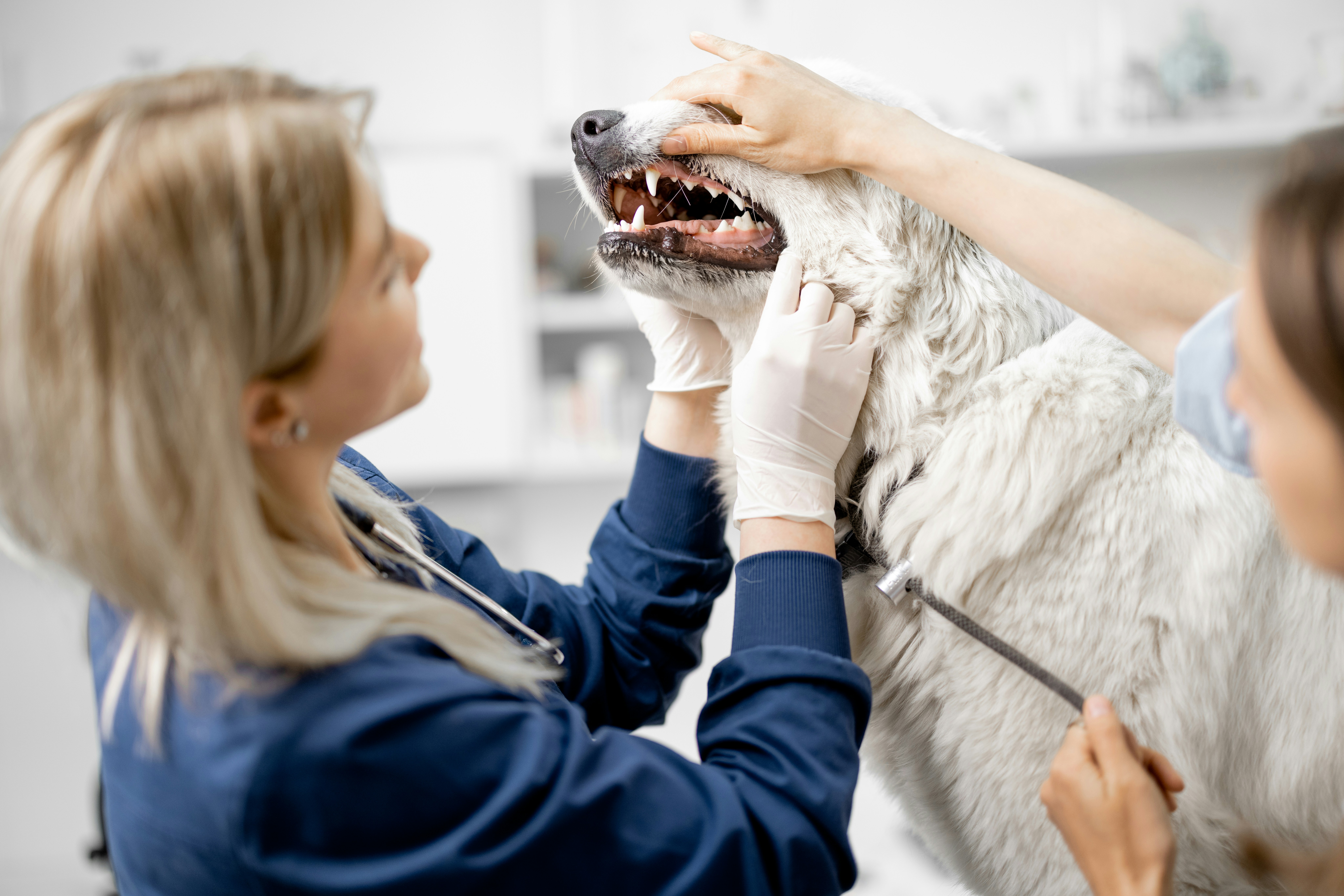
Whether your dog has persistent bad breath or your cat is showing signs of gum inflammation, we identify the issue early and create a care plan that keeps your pet comfortable and healthy.
Small Changes in the Mouth Can Signal Bigger Problems
Early signs of dental disease are easy to miss. Subtle indicators like slightly reddened gums, mild tartar buildup, or occasional bad breath may point to:
- Periodontal disease beneath the gumline
- Tooth root infections or abscesses
- Fractured or weakened teeth
- Oral masses or growths requiring evaluation
- Retained baby teeth in younger pets
Many of these conditions are not fully visible without a dental procedure performed under anesthesia, where the veterinarian can examine every tooth and the surrounding structures in detail.
Dental Disease Affects More Than the Mouth
Pets with untreated dental problems may experience:
- Chronic oral pain that limits eating and play
- Loss of appetite and weight loss
- Behavioral changes including irritability or withdrawal
- Difficulty chewing or dropping food
- Bacteria entering the bloodstream, which can affect the heart, kidneys, and liver over time
Addressing dental issues early helps prevent these cascading effects and supports your pet’s long-term health.
Pets Rarely Show Obvious Signs of Mouth Pain
Dogs and cats are naturally inclined to hide discomfort. A pet with a painful tooth infection may still eat, play, and behave relatively normally. This makes routine dental exams and professional evaluation essential for catching problems before they become severe.

How Dental Care Works at Ridgefield Veterinary Center
At Ridgefield Veterinary Center, dental care follows a two-step process: it begins with a dental exam, and if the veterinarian determines further treatment is needed, a dental procedure is scheduled under anesthesia.
Step 1: The Dental Exam
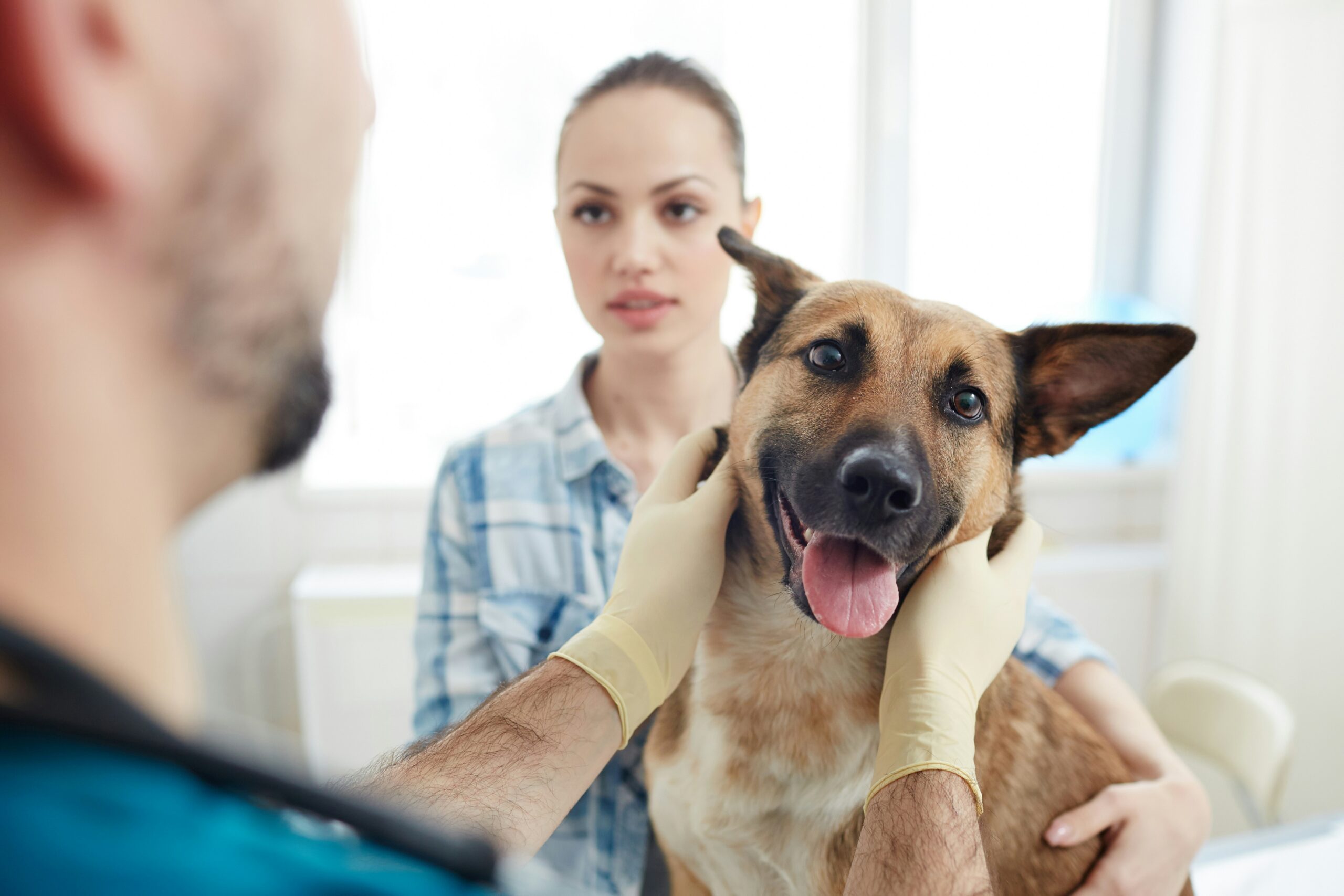
During your pet’s appointment, our veterinarian examines the mouth, teeth, and gums to assess overall oral health. This initial evaluation helps identify visible signs of dental disease, such as tartar accumulation, gum recession, loose teeth, or areas of inflammation.
Based on the findings, your veterinarian will discuss whether a dental procedure is recommended and what it would involve for your pet.
Step 2: The Dental Procedure Under Anesthesia
When a dental is needed, your pet is placed under general anesthesia. Anesthesia is essential for dental procedures because it allows the veterinarian to:
- Examine every tooth thoroughly, including below the gumline
- Take dental radiographs to evaluate tooth roots and bone structure
- Perform a complete professional cleaning above and below the gumline
- Probe for periodontal pockets that indicate deeper disease
- Address any teeth that are fractured, infected, or too damaged to save
- Remove oral masses or growths if present
Anesthesia also keeps your pet still, pain-free, and safe throughout the process, which is critical for accurate assessment and effective treatment.
Safe Anesthesia Protocols
We use modern anesthesia protocols tailored to your pet’s age, breed, and health status. Pre-anesthetic bloodwork may be recommended to confirm your pet is a good candidate for anesthesia. During the procedure, a dedicated team member continuously monitors vital signs, including heart rate, blood pressure, oxygen levels, and temperature.
Pain Management
Comfort is a priority before, during, and after every dental procedure. We administer appropriate pain relief so your pet recovers smoothly and returns to normal activity as quickly as possible.
Post-Procedure Care
After the dental, our team provides you with clear instructions for at-home recovery, including any dietary modifications, medication schedules, and signs to watch for. Follow-up appointments are scheduled as needed to monitor healing and ensure your pet’s mouth is recovering well.
Pets at Higher Risk for Dental Disease
- Small breed dogs (Yorkies, Chihuahuas, Dachshunds) have crowded teeth that trap more bacteria
- Brachycephalic breeds (Pugs, Bulldogs, Persian cats), misaligned teeth, increase buildup
- Senior pets, years of wear, increase the likelihood of gum disease and tooth loss
- Pets with diabetes have a higher susceptibility to infections, including periodontal disease
- Cats with stomatitis, chronic oral inflammation that may require extractions
Even pets without visible symptoms benefit from regular dental exams. Many serious dental conditions develop below the gumline, where they cannot be seen without professional evaluation.
Our Approach to Pet Dental Care
30-Minute Appointments
Dental exams are scheduled within our standard 30-minute appointment blocks, giving your veterinarian adequate time for a thorough oral evaluation and to discuss next steps with you.
Exam-First Philosophy
We never jump straight to a procedure. Every pet receives a dental exam first so we can assess the situation, explain our findings, and make a recommendation based on what your pet actually needs.
Thorough Evaluation Under Anesthesia
When a dental procedure is needed, anesthesia allows us to examine every tooth completely, take radiographs of the roots and jawbone, and address all issues in a single visit whenever possible.
Fear Free Handling
Our Fear Free certified team uses gentle, low-stress techniques throughout every interaction, from the initial exam to recovery after a dental procedure. Reducing anxiety makes the experience better for your pet and leads to more accurate assessments.
In-House Pharmacy Access
Medications prescribed after a dental procedure, including pain relief, antibiotics, or oral rinses, are available from our on-site pharmacy so you can begin your pet’s recovery plan immediately.
Coordinated Care
Dental health connects to your pet’s overall wellness. Our team works alongside other services at Ridgefield Veterinary Center to ensure dental care fits within your pet’s complete health plan.
Integrated Dental Care Support Services
Dental care often intersects with other areas of veterinary medicine. At Ridgefield Veterinary Center, the following services support your pet’s dental health:
- Pet Wellness Exams in Ridgefield, CT – Routine oral screening during annual wellness visits to catch dental disease early
- Pet Pain Management Services in Ridgefield, CT – Comfort management for pets with dental pain or recovering from procedures
- Pet Diagnostic Services in Ridgefield, CT – Bloodwork and testing to ensure your pet is healthy for anesthesia
- Pet Pharmacy in Ridgefield, CT – Immediate access to post-procedure medications, including pain relief and antibiotics
- Fear Free Veterinary Care in Ridgefield, CT – Low-stress handling for anxious pets during dental exams and procedures
Comprehensive dental care works best when it is part of a coordinated approach to your pet’s overall health.
Protect Your Pet’s Dental Health
Dental disease is progressive, but it is also preventable and treatable when caught early. A dental exam gives your veterinarian the information needed to determine whether your pet’s mouth is healthy or whether a dental procedure can address developing problems before they become painful or costly.
Three Easy Ways to Schedule:
📞 Call us directly: 203-438-2658 – Our team answers questions about dog spay/neuter procedures and schedules consultations.
🖥️ Book online now – Request your appointment 24/7 through our convenient online scheduling.
📍 Visit us: 722 Danbury Road, Ridgefield, CT 06877 Monday-Friday 8:00 AM – 5:00 PM (Closed 1 – 2 PM daily)