Pet Wellness Exams in Ridgefield, CT
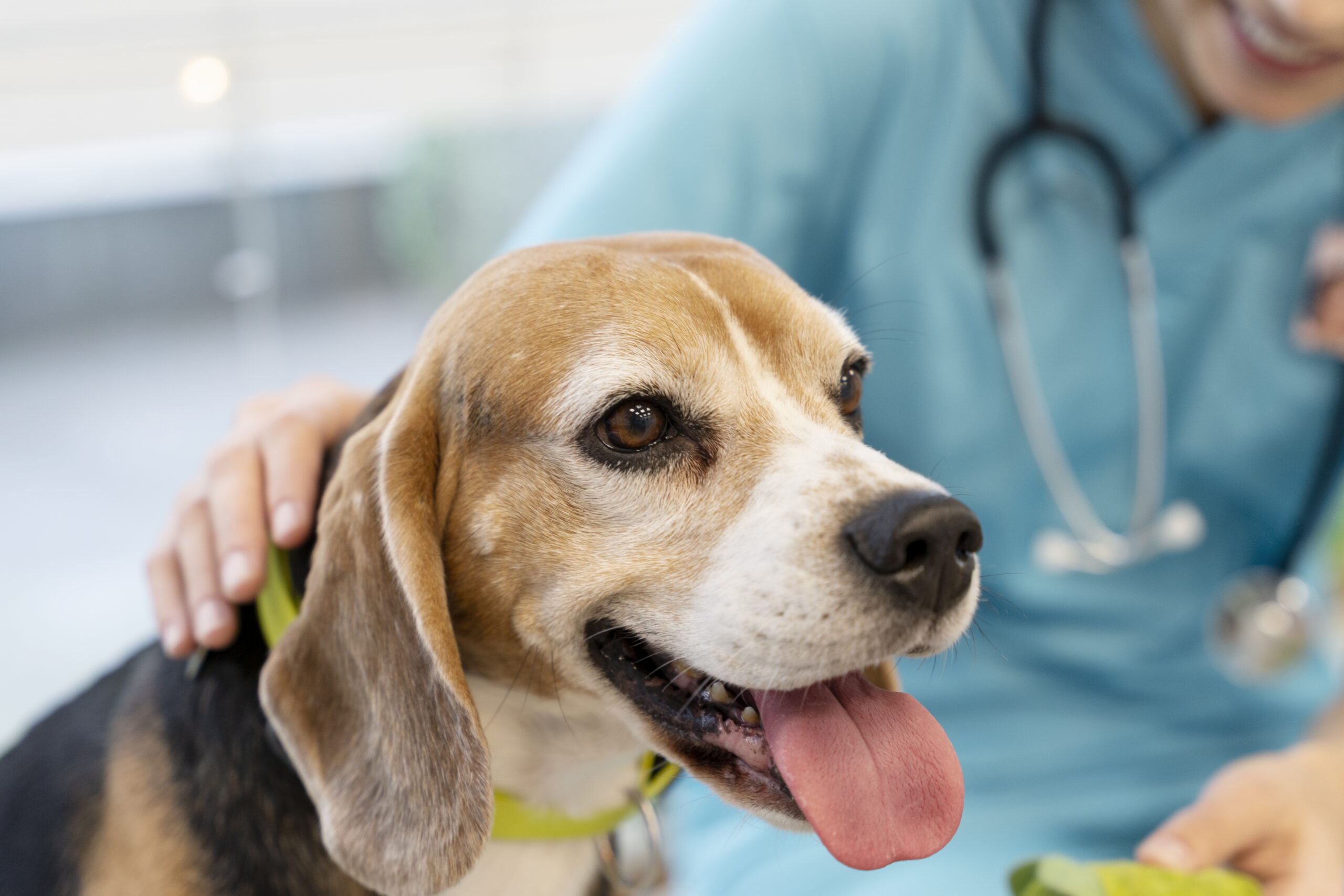
Keep your pet healthy for life with comprehensive wellness exams from Ridgefield Veterinary Center. Since 1955, we’ve helped thousands of dogs and cats throughout Ridgefield, Redding, Wilton, Danbury, South Salem, and North Salem stay healthy through thorough preventive care. Our experienced veterinarians perform complete physical examinations, screening tests, and health assessments detecting problems before they become serious. Annual wellness visits are the foundation of excellent pet care, catching diseases early when treatment is most effective and affordable. Whether you have a playful puppy, active adult dog, curious kitten, or senior cat, our Fear Free certified team provides gentle, thorough examinations ensuring your pet lives the longest, healthiest life possible.
The Life-Saving Importance of Regular Pet Wellness Exams
Annual wellness examinations are the single most important thing you can do for your pet’s health. Pets age 5-7 times faster than humans, meaning significant health changes can develop within months. Regular checkups detect diseases early, extend lifespan, and save money by preventing expensive emergency treatments.
Critical Benefits of Pet Wellness Exams:
Early Disease Detection Saves Lives – Many serious conditions develop silently. Heart disease, kidney failure, diabetes, cancer, and dental disease often show no obvious symptoms until advanced stages. Wellness exams with screening tests catch these diseases early when treatment is most successful. Early detection can add years to your pet’s life.
Prevention Costs Less Than Treatment – Preventing disease through vaccines, parasite control, and health monitoring costs a fraction of treating advanced illness. A $200 wellness exam preventing $3,000 diabetes management or $5,000 emergency surgery provides tremendous value. Wellness care is the smartest investment in your pet’s health.
Extended Lifespan – Pets receiving regular veterinary care live 2-3 years longer on average than pets without routine checkups. Early intervention, disease prevention, and health optimization through wellness exams translate directly to more quality time with your beloved companion.
Baseline Health Records – Regular exams establish your pet’s normal values for weight, heart rate, blood work, and organ function. These baselines help veterinarians detect subtle changes indicating developing problems. Without regular wellness visits, we lack comparison points making early disease detection difficult.
Stronger Veterinary Relationship – Regular visits help our team know your pet’s personality, behavior, and health history. This familiarity enables better diagnosis, reduces stress during sick visits, and creates trust making veterinary care more effective.
Peace of Mind – Knowing your pet has been thoroughly examined by an experienced veterinarian provides reassurance. You can relax knowing potential problems have been identified and your pet is healthy or receiving appropriate treatment.
Comprehensive Pet Wellness Exam Components
Every wellness examination at Ridgefield Veterinary Center includes thorough assessment of your pet’s complete health. We take time ensuring nothing is missed.
Complete Physical Examination (15-20 minutes):
Head and Sensory Organs
- Eye examination checking for cataracts, glaucoma, retinal disease, corneal ulcers, and vision problems
- Ear examination evaluating ear canals for infections, inflammation, parasites, tumors, and hearing function
- Nose and sinus assessment checking for discharge, airflow, and abnormalities
- Mouth and dental examination evaluating teeth, gums, tongue, throat, and detecting dental disease, tumors, or pain
- Facial symmetry and neurological function assessment
Cardiovascular System
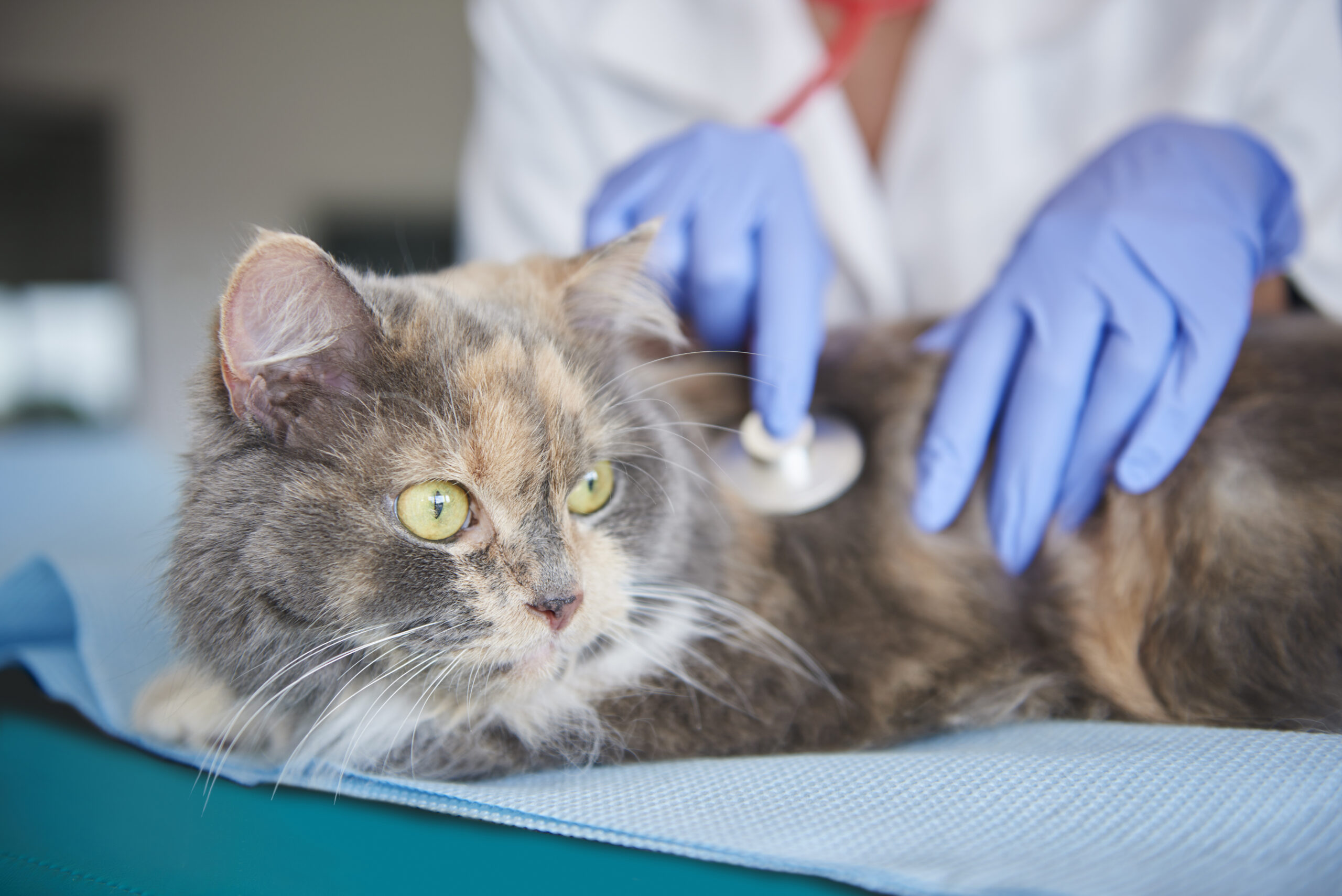
- Heart auscultation listening for murmurs, irregular rhythms, or abnormal heart sounds
- Pulse evaluation assessing strength, rate, and regularity
- Mucous membrane color checking circulation and oxygenation (should be pink, not pale or blue)
- Capillary refill time measuring circulatory efficiency
Respiratory System
- Lung auscultation listening for wheezes, crackles, or decreased breath sounds
- Respiratory rate and effort evaluation
- Trachea palpation checking for collapse or abnormalities
- Overall breathing pattern assessment
Gastrointestinal System
- Abdominal palpation detecting organ enlargement, masses, fluid accumulation, or pain
- Assessment of liver, spleen, kidneys, intestines, and bladder
- Body condition scoring evaluating whether your pet is underweight, overweight, or ideal
- Evaluation of appetite, digestion, and elimination patterns
Musculoskeletal System
- Joint examination checking range of motion, pain, swelling, or arthritis
- Muscle tone and symmetry evaluation
- Spine palpation detecting pain or abnormalities
- Gait assessment watching your pet walk and identifying lameness or weakness
- Nail and paw pad condition
Skin and Coat
- Complete skin examination checking for lumps, bumps, infections, parasites, or inflammation
- Coat quality assessment indicating overall health and nutrition
- Evaluation of hair loss, scaling, or abnormal texture
- Skin fold and ear examination in susceptible breeds
Lymphatic System
- Lymph node palpation checking for enlargement indicating infection, inflammation, or cancer
Neurological Function
- Mental alertness and behavior observation
- Coordination and balance assessment
- Cranial nerve testing
- Reflexes evaluation
- Pain response assessment
Weight and Vital Signs
- Accurate weight measurement tracking trends over time
- Body condition score (1-9 scale) determining if weight adjustment is needed
- Temperature measurement
- Heart rate documentation
- Respiratory rate recording
Diagnostic Screening Tests (recommended annually or as indicated):
- Complete blood count (CBC) evaluating red cells, white cells, and platelets
- Blood chemistry panel assessing liver, kidney, blood sugar, electrolytes, and proteins
- Urinalysis detecting kidney disease, diabetes, infections, or bladder problems
- Heartworm testing (dogs) and FeLV/FIV testing (cats)
- Fecal examination checking for intestinal parasites
- Thyroid testing for senior pets or showing symptoms
Tailored Wellness Care for Every Life Stage
Pets have different health needs throughout life. We customize wellness exams based on your pet’s age, providing appropriate preventive care at each stage.
Puppy and Kitten Wellness (Birth to 1 Year)
Visit Frequency: Every 3-4 weeks until 16 weeks old, then at 6 months and 1 year
Young pets need frequent visits establishing healthy foundations. Puppy and kitten wellness exams include growth and development monitoring, comprehensive vaccination series protecting against preventable diseases, intestinal parasite screening and deworming, nutrition counseling for proper growth, behavior and socialization guidance, microchipping for permanent identification, and spay/neuter consultation and scheduling.
Focus Areas: Ensuring proper growth, preventing infectious diseases, establishing good behavior patterns, and planning reproductive surgery timing.
Adult Pet Wellness (1-7 Years Dogs, 1-10 Years Cats)
Visit Frequency: Annually (every 12 months)
Adult pets in their prime still need regular monitoring. Adult wellness exams include complete physical examination, vaccination boosters maintaining immunity, annual heartworm testing (dogs) and FeLV/FIV testing (cats), fecal parasite screening, dental evaluation and cleaning recommendations, weight management and nutrition assessment, and behavior evaluation addressing any concerns.
Focus Areas: Maintaining optimal health, preventing obesity, monitoring dental disease development, and early detection of common adult diseases.
Senior Pet Wellness (7+ Years Dogs, 10+ Years Cats)
Visit Frequency: Every 6 months (twice yearly)
Senior pets age rapidly and benefit from more frequent monitoring. Senior wellness exams include comprehensive physical examination with extra attention to common senior conditions, senior blood work panel screening kidney, liver, thyroid, and metabolic function, urinalysis detecting kidney disease and infections, blood pressure measurement, arthritis evaluation and pain management, cognitive function assessment, nutrition adjustment for senior needs, and cancer screening through physical examination and testing.
Focus Areas: Early detection of age-related diseases including kidney disease, heart disease, diabetes, thyroid disorders, arthritis, and cancer. Maintaining quality of life and comfort.
Giant Breed Dogs (Great Danes, Mastiffs, etc.)
Visit Frequency: Every 6 months starting at age 5
Giant breeds age faster than smaller dogs, often becoming “senior” by age 5-6. They require more frequent monitoring for heart disease, bone cancer, bloat risk, and arthritis.
Geriatric Pet Wellness (11+ Years Dogs, 14+ Years Cats)
Visit Frequency: Every 4-6 months
Geriatric pets need intensive monitoring. Visits focus on pain management, organ function monitoring, quality of life assessment, hospice and end-of-life planning when appropriate, and maximizing comfort during their golden years.
Vaccinations and Parasite Prevention During Wellness Visits
Wellness exams provide the perfect opportunity to keep your pet protected from preventable diseases and parasites.
Core Vaccinations (All Pets Should Receive):
Dogs:
- Rabies vaccine (required by law) – Initial at 12-16 weeks, booster at 1 year, then every 1-3 years
- Distemper/Parvo combination (DHPP) – Puppy series, booster at 1 year, then every 1-3 years
- Leptospirosis – Annual vaccine protecting against bacterial disease causing kidney and liver failure
Cats:
- Rabies vaccine (required by law) – Initial at 12-16 weeks, booster at 1 year, then every 1-3 years
- FVRCP (Feline Viral Rhinotracheitis, Calicivirus, Panleukopenia) – Kitten series, booster at 1 year, then every 1-3 years
Lifestyle Vaccinations (Based on Exposure Risk):
Dogs:
- Bordetella (kennel cough) – Recommended for dogs attending daycare, boarding, grooming, or dog parks; annual or semi-annual
- Canine Influenza – For high-risk dogs in social situations; annual
- Lyme Disease – For dogs in tick-endemic areas with outdoor exposure; annual
Cats:
- Feline Leukemia (FeLV) – Recommended for outdoor cats or those exposed to FeLV-positive cats; annual
Parasite Prevention:
Heartworm Prevention (Dogs and Cats): Heartworm disease is transmitted by mosquitoes and is fatal if untreated. Monthly preventive medication protects your pet. Annual heartworm testing ensures prevention is working.
Flea and Tick Prevention: Fleas cause skin disease, tapeworms, and anemia. Ticks transmit Lyme disease, ehrlichiosis, and other serious infections. Year-round prevention keeps your pet safe.
Intestinal Parasite Control: Roundworms, hookworms, whipworms, and giardia infect pets and can transmit to humans (especially children). Annual fecal testing with regular deworming prevents parasites.
We customize vaccination and prevention plans based on your pet’s lifestyle, age, health status, and risk factors. Not every pet needs every vaccine, we recommend only what’s medically appropriate.
How Ridgefield Veterinary Center Delivers Exceptional Wellness Care
70 Years of Preventive Care Expertise
Since 1955, we’ve performed tens of thousands of wellness examinations. Our veterinarians have deep experience recognizing subtle signs of disease, understanding breed-specific health risks, and detecting problems other veterinarians might miss. This expertise provides your pet with the most thorough wellness care available.
Fear Free Certified Wellness Visits
Wellness exams should be positive experiences, not stressful ordeals. Our Fear Free certification means we use gentle handling techniques minimizing restraint, calming pheromones in examination rooms, treats and positive reinforcement, quiet voices and calm movements, allowing pets to move freely during examination when possible, and taking breaks if your pet becomes anxious.
Reducing stress during wellness visits makes pets more cooperative, provides more accurate vital signs (stress elevates heart rate and blood pressure), and encourages pet owners to maintain regular checkups rather than avoiding the veterinarian.
Thorough, Unhurried Examinations
We schedule adequate time for each wellness appointment, typically 30 minutes, ensuring your pet receives complete attention. We don’t rush through examinations. Thorough evaluation takes time, and we believe your pet deserves it.
Clear Communication and Education
We explain everything we find during the examination in language you understand. You’ll learn what’s normal for your pet, what concerns we have, and why we recommend specific tests or treatments. We encourage questions and ensure you leave understanding your pet’s health status completely.
Personalized Wellness Plans
Every pet is unique. We consider your pet’s breed, age, lifestyle, medical history, and your concerns when creating wellness recommendations. A highly active sporting dog needs different preventive care than an indoor-only cat. We tailor our approach to your specific pet.
Modern Diagnostic Capabilities
Our in-house laboratory delivers blood work results within 15-20 minutes during your appointment. Digital radiography provides immediate imaging when needed. Fast diagnostics mean you get answers quickly without waiting days for results or making multiple trips.
Complete Medical Records
We maintain detailed records of every wellness visit, tracking your pet’s weight trends, vaccination history, blood work results, physical examination findings, and health changes over time. This comprehensive documentation enables us to spot concerning trends early.
Collaborative Approach
You know your pet better than anyone. We listen carefully to your observations about behavior changes, appetite, energy level, or concerns. Your insights, combined with our medical expertise, create the best possible wellness care.
Preventive Focus
Our goal isn’t just treating disease, it’s preventing disease from developing. We emphasize nutrition, weight management, dental care, parasite prevention, and early intervention, keeping your pet healthy rather than waiting until illness occurs.
Health Problems Wellness Exams Commonly Detected Early
Regular wellness examinations catch diseases before symptoms appear, enabling early treatment and better outcomes.
Dental Disease – 80% of dogs and 70% of cats develop dental disease by age 3. Wellness exams detect tartar, gingivitis, loose teeth, and oral pain before serious infections develop. Early dental intervention prevents tooth loss, pain, and systemic infections affecting the heart, liver, and kidneys.
Obesity – Over 50% of pets are overweight or obese, leading to diabetes, arthritis, heart disease, and shortened lifespan. Weight monitoring during wellness visits catches weight gain early when intervention is easier and more effective.
Heart Disease – Heart murmurs detected during wellness exams often indicate developing heart disease. Early detection enables medication delaying progression, monitoring for complications, and extending quality life years.
Kidney Disease – Cats especially develop kidney disease as they age. Blood work during wellness exams detects kidney problems before 75% of function is lost, enabling dietary changes and medications slowing progression significantly.
Diabetes – Increased drinking and urination are often first signs. Wellness exams with urinalysis and blood glucose testing catch diabetes early, preventing life-threatening diabetic ketoacidosis.
Thyroid Disease – Hyperthyroidism in cats and hypothyroidism in dogs are common. Thyroid testing during senior wellness exams enables treatment improving quality of life dramatically.
Cancer – Lumps, bumps, and masses detected during physical examination may be cancer. Early detection and removal provides the best chance for cure.
Arthritis – Joint examination during wellness visits detects arthritis before obvious limping occurs, enabling pain management improving your pet’s comfort and mobility.
Eye Disease – Cataracts, glaucoma, and retinal disease develop gradually. Early detection preserves vision and prevents painful complications.
Parasites – Fecal testing detects intestinal parasites before they cause severe illness. Heartworm testing catches infections before heart damage becomes irreversible.
How to Prepare for Your Pet’s Wellness Exam
Maximize your wellness appointment value with simple preparation:
Before Your Visit:
Write down questions or concerns you want to discuss
Note any behavior changes, appetite changes, or unusual symptoms
Bring current medications or supplements for review
Collect fresh stool sample (within 12 hours) for parasite testing if requested
Bring vaccination records if transferring from another veterinarian
Bring pet insurance information if applicable
Ensure your pet hasn’t eaten for 4 hours if fasting blood work is planned (ask when scheduling)
Day of Appointment:
Arrive 5-10 minutes early to complete paperwork
Bring cats in secure carriers
Keep dogs on leash
Bring high-value treats if your pet is food motivated
Consider a tired pet, a walk before the appointment helps dogs relax
Questions to Ask:
Is my pet’s weight healthy?
Are there any lumps or changes from last year?
What vaccines does my pet need and when?
Should we do blood work screening?
Are teeth cleaning needed?
What diet do you recommend?
What should I watch for until next visit?
Pet Wellness Exam FAQs
How often does my pet need wellness exams?
What's the difference between wellness exams and sick visits?
Does my indoor-only pet need wellness exams?
Can't I just get vaccines at the pet store and skip the exam?
Do you recommend blood work for young, healthy pets?
What if you find something wrong during the wellness exam?
My pet seems healthy. Why spend money on wellness exams?
How long do wellness exams take?
Can I be present during the examination?
Complete Veterinary Care Beyond Wellness Exams
Wellness examinations connect to comprehensive veterinary services at Ridgefield Veterinary Center:
Pet Vaccinations in Ridgefield CT – Wellness visits ensure your pet receives appropriate vaccines on schedule, protecting against preventable diseases throughout life.
Cat Spay and Neuter Services in Ridgefield CT – Wellness exams for kittens include consultation about optimal spay/neuter timing for reproductive surgery.
Pet Dental Cleaning in Ridgefield CT – Wellness exams evaluate dental health, determining when professional cleaning is needed to prevent painful dental disease.
Fear Free Veterinary Care in Ridgefield CT – Our certification ensures wellness visits are positive experiences, reducing stress for pets and owners alike.
Senior Pet Care in Ridgefield CT – Specialized senior wellness programs address age-related health concerns with comprehensive screening and proactive management.
Pet Surgery Services in Ridgefield CT – Wellness exams sometimes detect masses or conditions requiring surgical intervention, our surgical capabilities support complete care.
Schedule Your Pet’s Wellness Exam Today
Give your pet the gift of a long, healthy life through comprehensive wellness care at Ridgefield Veterinary Center. Our experienced veterinarians have been keeping pets healthy since 1955.
Three Easy Ways to Schedule:
📞 Call us directly: 203-438-2658 – Our friendly team schedules wellness appointments and answers questions about preventive care.
🖥️ Book online now – Request your wellness appointment 24/7 through our convenient online scheduling system.
📍 Visit us: 722 Danbury Road, Ridgefield, CT 06877 Monday-Friday 8:00 AM – 5:00 PM (Closed 1-2 PM daily)
Serving Ridgefield, Redding, Wilton, Danbury, South Salem NY, and North Salem NY