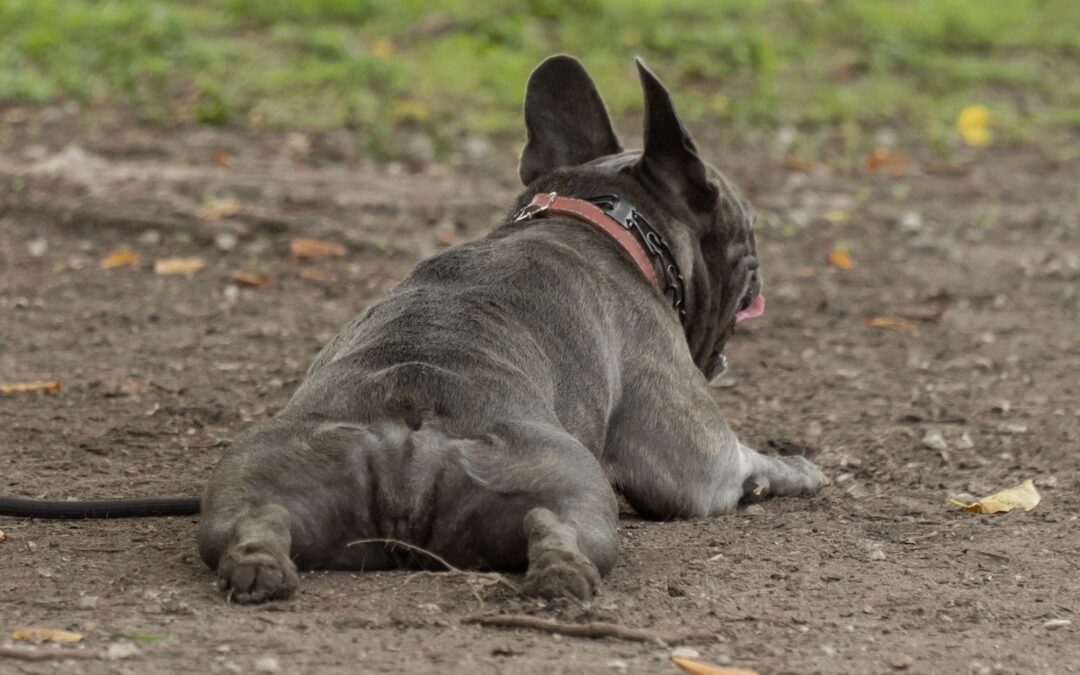
If your dog has been scooting across the floor, licking their hind end, or leaving behind a strong fishy odor, their anal glands may be bothering them. These small sacs usually empty during bowel movements, but some dogs have difficulty emptying them naturally. You may be wondering how to express dog anal glands safely at home.
Most dogs do not need regular anal gland expression, and squeezing the sacs unnecessarily or using too much pressure can cause irritation or injury. This guide explains the external expression method, when to stop, and when your dog needs veterinary care.
What Are Dog Anal Glands, and How Do They Work?
Your dog’s anal glands, also called anal sacs, are two small sacs located just beneath the skin on either side of the anus. Imagine your dog’s anus as the center of a clock face. The glands sit at approximately the 4 o’clock and 8 o’clock positions.
These glands produce a strong-smelling fluid that helps dogs communicate through scent. According to the Cornell University College of Veterinary Medicine, pressure during normal bowel movements usually allows the anal sacs to empty naturally.
However, some dogs have difficulty emptying their anal sacs. When this happens, fluid can accumulate and become thicker, making it harder to pass through the small openings. A veterinarian can examine your dog’s anal sacs and determine whether manual expression or another treatment is necessary.
Signs Your Dog’s Anal Glands May Be Bothering Them
When a dog’s anal glands become uncomfortable, you may notice changes in how they behave, especially around their hind end. One common sign is scooting, which happens when your dog drags their rear across the floor or grass. You may also notice frequent licking around their anus or a strong, fishy odor from anal gland fluid.
Other signs that may be associated with anal gland problems include:
- Excessive licking or biting: Your dog repeatedly licks or chews around their anus or hind end.
- Fishy or foul odor: A strong, unpleasant smell comes from your dog’s rear. Some dogs may also release small amounts of anal gland fluid.
- Difficulty pooping: Your dog strains, hesitates, or appears uncomfortable during bowel movements.
- Tail sensitivity: Your dog keeps their tail lowered or reacts when you touch their hind end.
- Visible discharge: You notice brown, yellowish, or bloody fluid around the anus or stains on your dog’s bedding.
These signs can occur when the anal sacs are impacted, inflamed, or infected. However, they can also point to other problems. Skin allergies, parasites, and digestive conditions may cause similar symptoms, so the underlying cause isn’t always an anal gland issue.
How to Express Dog Anal Glands at Home: Step-by-Step Guide
Only attempt external anal gland expression at home if your veterinarian has examined your dog, confirmed that the technique is appropriate, and demonstrated it to you. Do not attempt expression if your dog has pain, swelling, bleeding, or other signs of infection. These symptoms require veterinary assessment because manual expression alone may not treat the underlying problem.
External expression involves gently applying pressure to the anal sacs from outside the anus. Unlike internal expression, this method does not require inserting a finger into your dog’s rectum. However, it may not completely empty the sacs. If your veterinarian has shown you how to perform this technique, the following steps can help you understand the process.
Step 1: Gather the Necessary Supplies
Before getting started, prepare a clean area and gather everything you need. This helps keep the process organized and limits unnecessary handling of your dog.
You will need:
- Disposable gloves to protect your hands
- Paper towels to catch the released fluid
- A clean towel to protect the floor or work surface
- A washcloth and warm water for cleaning afterward
- Dog-safe wipes, if needed
- Treats to reward your dog
- Another adult to help keep your dog steady, if necessary
Choose a stable, nonslip surface where your dog can stand comfortably. Make sure you have enough room to work without having to move your dog repeatedly.
Step 2: Position Your Dog Comfortably
Once your supplies are ready, help your dog stand on the prepared surface. Smaller dogs may be easier to position on a secure, low table, while larger dogs can remain standing on the floor.
Do not attempt anal gland expression if your dog is struggling, growling, snapping, or showing signs of distress. Never physically restrain a frightened or uncomfortable dog to complete the procedure. If your dog appears to be in pain, have a veterinarian examine them before attempting expression.
If another adult is available, they can gently help keep your dog steady. Stand beside your dog rather than directly behind them, as anal gland fluid can spray when released. Gently lift your dog’s tail to expose the anus, taking care not to pull or force it upward.
Step 3: Locate the Anal Glands
Put on your disposable gloves before handling your dog’s hind end. The two anal sacs sit just beneath the skin on either side of the anus, approximately at the 4 o’clock and 8 o’clock positions when viewing the anus as the center of a clock.
Place a folded paper towel over the anal opening to catch any released fluid. Using the placement your veterinarian demonstrated, position your thumb and index finger around the sacs. You should be able to identify their location without digging into the surrounding tissue.
Step 4: Apply Gentle Pressure to Release the Fluid
With your fingers in the correct position, follow the gentle pressure technique your veterinarian demonstrated. If the anal sacs do not release fluid with the gentle technique your veterinarian demonstrated, stop rather than applying additional pressure. Thickened material, impaction, or inflammation may prevent the sacs from emptying normally and require veterinary treatment.
Anal gland fluid has a strong, unpleasant odor, and its color and consistency can vary. However, blood, pus, or thick, chunky discharge may indicate inflammation or infection rather than normal gland contents.
Pay attention to your dog’s response throughout this step. If they cry, pull away, or show signs of pain, stop the process. Forcing the sacs to empty can cause further irritation or injury.
Step 5: Clean Your Dog and the Area
After the expression is complete, use a clean, damp washcloth and warm water to gently wipe around your dog’s anus. Remove any remaining fluid from the surrounding fur without rubbing the area.
Finally, dispose of the used gloves and paper towels, wash your hands, and clean the surface where your dog stood. You can also offer your dog a treat and some affection to end the experience on a positive note.
Why Should You Avoid Internal Anal Gland Expression at Home?
Internal anal gland expression involves placing a gloved, lubricated index finger inside the dog’s rectum while using the thumb outside to gently empty each anal sac. Unlike external expression, this technique requires reaching the sacs from inside the rectum and applying pressure in the correct direction.
Veterinarians and trained veterinary technicians may use internal expression when external pressure does not adequately empty the sacs. However, improper finger placement or excessive pressure can cause pain, irritation, or injury to the surrounding tissue. For this reason, internal expression is generally best left to veterinary professionals.
When Should You Stop Expressing Your Dog’s Anal Glands and See a Vet?
Not every anal gland problem can be resolved through manual expression. When an anal sac becomes impacted, it may become inflamed or infected. In more severe cases, an infection can develop into a painful abscess that may rupture through the surrounding skin.
Certain signs suggest that your dog may have more than a simple buildup of anal gland fluid. These include:
| Warning Sign | What It May Indicate |
| Redness or swelling beside the anus | Inflammation, infection, or an abscess |
| Blood or pus near the anal opening | An infected or ruptured anal sac |
| Severe pain when touched | Significant inflammation or infection |
| A firm or enlarged lump beside the anus | An impacted anal sac, abscess, or another growth |
| Straining or crying during bowel movements | Pain associated with anal sac disease or another rectal problem |
| An open wound near the anus | A possible ruptured anal gland abscess |
The Merck Veterinary Manual explains that treatment depends on the type and severity of anal sac disease. Some dogs need professional expression, while others may require medication, flushing, or surgery.
If you notice swelling, bleeding, pus, an open wound, or significant pain, stop attempting to express the glands and have your dog examined promptly. Severe pain or difficulty passing stool also warrants prompt veterinary attention.
How Can You Support Your Dog’s Natural Anal Gland Emptying?
Your dog’s anal glands usually empty when they pass stool. However, stool consistency, body condition, and certain skin conditions may affect how well the sacs empty. Addressing these factors can help support normal anal gland function and may reduce recurring problems in some dogs.
Maintain Healthy, Well-Formed Stools
Firm, well-formed stools create pressure against the anal sacs as your dog passes stool. This pressure helps release the fluid naturally. On the other hand, frequent diarrhea or consistently soft stools may make it harder for the sacs to empty completely.
Dietary fiber can also play a role. It adds bulk to your dog’s stool, which may help create enough pressure for normal anal sac emptying. However, the right amount and type of fiber depend on your dog’s digestive health and nutritional needs.
Maintain a Healthy Body Weight
Your dog’s body condition can also affect anal gland function. Excess body fat and reduced muscle tone may interfere with the pressure needed to empty the anal sacs during bowel movements. As a result, overweight dogs may be more prone to recurring anal gland problems.
Maintaining a healthy weight through appropriate portions and regular activity supports your dog’s overall health. If you’re unsure whether your dog is at a healthy weight, our guide to signs your dog is overweight explains what to look for.
Manage Skin Allergies and Inflammation
Skin allergies can contribute to recurring anal gland problems in some dogs. Food allergies and environmental allergies may cause itching and inflammation around the skin, including the area surrounding the anus. This irritation can add to your dog’s discomfort and may be associated with recurring anal sac disease.
If your dog also experiences persistent itching, redness, or skin irritation, an underlying allergy may be worth investigating. Our guide to dog skin allergies and safe home care explains common signs and possible triggers.
How Ridgefield Veterinary Center Can Help
If your dog’s anal gland problems keep coming back, identifying the underlying cause is important. At Ridgefield Veterinary Center, our team can assess your dog’s health through comprehensive pet physical exams and pet diagnostic services. We also offer gastrointestinal care to investigate digestive concerns, along with nutritional counseling and weight management services to support your dog’s overall health.
If your dog also has persistent itching or skin irritation, our pet dermatology services can help investigate possible skin conditions and allergies.
Conclusion
Your dog’s anal glands usually empty on their own, so manual expression isn’t something every dog needs. If your dog has recurring problems, finding out what’s affecting their anal sacs is more important than simply expressing them. A veterinary assessment can help determine the right approach and prevent unnecessary discomfort.
Ridgefield Veterinary Center provides comprehensive veterinary care, including physical exams, diagnostic services, and gastrointestinal care, for dogs in Ridgefield, Redding, Danbury, Wilton, and nearby New York communities. Contact us today to schedule an appointment at 722 Danbury Road, Ridgefield, CT.
FAQs
How often should you express your dog’s anal glands?
Most dogs do not need regular anal gland expression because their anal sacs empty naturally during bowel movements. Dogs with recurring anal gland problems may need occasional expression, depending on their condition. Your veterinarian can recommend how often it is necessary.
Can a dog’s anal glands empty while they are sleeping?
Yes. Some dogs release a small amount of anal gland fluid while resting or sleeping. This can happen involuntarily. However, frequent leakage or a persistent fishy odor should be discussed with your veterinarian.
What happens if a dog’s anal glands aren’t expressed?
Most dogs do not need manual expression because their anal sacs empty naturally. However, if the sacs cannot empty properly, fluid can build up and become thicker. This may lead to impaction, inflammation, infection, or an abscess.
Can dogs have anal gland problems without scooting?
Yes. Scooting is a common sign, but it isn’t the only one. Some dogs lick or bite their hind end, develop a fishy odor, strain during bowel movements, or show sensitivity near their tail. Others may have swelling or discharge around the anus. If you notice these changes, have your dog examined by a veterinarian.