
When to Spay or Neuter a Dog: Smart Safe Timing
Knowing when to spay or neuter a dog depends on your pet’s breed, size, and overall development. While small breeds often undergo the procedure earlier, large and giant breeds may benefit from waiting to support healthy joint growth. A veterinarian can help you choose the safest timing based on your dog’s individual needs.

When to Spay or Neuter: Your Smart Timing Guide
Knowing when to spay or neuter your dog or cat helps support healthy growth, behavior, and long-term wellness. The best timing depends on your pet’s breed, size, and development, with small pets often ready earlier than large or giant breeds. Working with your veterinarian ensures the procedure is done safely and at the most appropriate age for your pet.

Non-Toxic Plants for Cats: Safe and Pet-Friendly Houseplants
For cat owners who love indoor greenery, choosing pet-safe plants is essential. Many common houseplants, like aloe vera or sago palms, are toxic to cats, but there are plenty of non-toxic alternatives. Safe options include spider plants, cat grass, prayer plants, air plants, and baby rubber plants. Ridgefield Vet Center shares tips on caring for these plants, preventing unwanted chewing, and creating a cat-friendly indoor garden. Learn how to keep both your plants and feline friends safe while enjoying a beautiful, green home.
Toxic Plants for Cats: Top 10 Dangerous Plants to Avoid
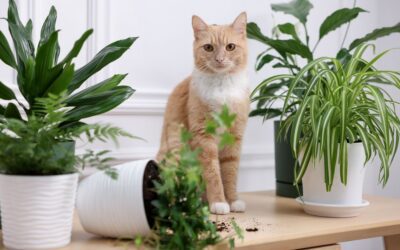
Cats are naturally curious, but many common houseplants can be toxic to them. From lilies and sago palms to aloe vera and dieffenbachia, even a small nibble can cause vomiting, lethargy, or organ damage. This guide from Ridgefield Vet Center highlights the top 10 toxic plants for cats, warning signs of poisoning, and safe, cat-friendly alternatives like spider plants, cat grass, and parlor palms. Learn how to prevent exposure, create cat-safe plant zones, and protect your feline companion while keeping your home green and lively.

Spring Allergies in Dogs: Causes, Symptoms, and Treatment Tips
Spring allergies in dogs are triggered by pollen, mold, dust mites, and fleas, causing itchy skin, ear infections, and watery eyes. With early symptom detection, proper treatment, and simple at-home care, you can help your dog stay comfortable and healthy throughout allergy season.

Poison Prevention for Pets: Smart Safety at Home
Poison prevention for pets starts at home by reducing access to common household toxins like foods, medications, plants, and cleaning products. With simple storage habits, pet-proofing, and quick action when exposure happens, you can protect your dog or cat from avoidable poisoning and keep them safe every day.

Heart Murmur in Cats: Signs, Risks & What to Do Next
A heart murmur in cats is an abnormal heart sound caused by changes in blood flow, and it can range from harmless to a sign of underlying heart disease. While many cats show no symptoms, diagnostic testing helps determine whether the murmur needs monitoring or treatment. With early evaluation and proper care, many cats with heart murmurs can continue to live comfortable, healthy lives.

The Best Pet Dental Treats: Safe, Proven Guide for Clean Teeth
Pet dental treats are an easy way to help clean teeth, reduce plaque, and freshen your pet’s breath between veterinary visits. When chosen correctly, these chewable treats support oral health by using gentle chewing action to remove buildup before it hardens into tartar. Used as part of a daily routine and guided by your veterinarian, dental treats can help keep your dog or cat’s smile healthy at home.

Heart Disease in Dogs: Signs to Watch and How It’s Treated
Heart disease in dogs, including heart disease in senior dogs, affects the heart’s ability to pump blood efficiently, which can lead to fatigue, coughing, difficulty breathing, and fluid buildup. Early detection is key, as symptoms often appear gradually, especially in older pets. Regular veterinary exams, diagnostic tests like X-rays and echocardiograms, and timely treatment with medications or lifestyle adjustments can help dogs maintain comfort and quality of life. At Ridgefield Vet Center, we specialize in monitoring, diagnosing, and managing heart disease to keep dogs healthy and active at every stage of life.

Cat Teeth Cleaning: Simple, Safe, and Pain-Free Care
Keeping your cat’s teeth clean is essential for their comfort and overall health. Cat teeth cleaning, both at-home brushing and professional veterinary care—removes plaque and tartar that can lead to dental disease, tooth loss, and pain. Regular dental exams, professional cleanings, and consistent at-home care help prevent hidden oral issues and keep your cat eating, grooming, and playing comfortably. At Ridgefield Vet Center, our team provides safe, thorough dental exams and cleanings to support your cat’s long-term oral health.