Puppy Wellness Care Services in Ridgefield, CT
Why Puppy Wellness Care Matters for Your New Companion
The first year of your puppy’s life is critical for establishing lifelong health. Puppies require specialized veterinary care different from that of adult dogs, including multiple vaccination series, frequent growth monitoring, early disease detection, parasite prevention protocols, and nutritional guidance supporting proper development.
Comprehensive puppy wellness care prevents serious diseases, identifies congenital problems early when most treatable, establishes positive veterinary experiences reducing future anxiety, provides an essential socialization period health clearance, supports optimal growth and development, and creates a veterinary relationship for your dog’s entire life.
Critical aspects of quality puppy wellness care:

- Disease prevention – Vaccination series protects against deadly diseases like parvovirus, distemper, and rabies
- Parasite control – Prevention protocols eliminate intestinal worms, heartworm, fleas, and ticks
- Growth monitoring – Regular weight checks and physical exams ensure proper development
- Early problem detection – Examinations identify congenital heart murmurs, hernias, and developmental concerns
- Nutrition optimization – Proper diet supports bone growth, immune function, and ideal body condition
- Behavior foundation – Early guidance prevents common behavior problems like jumping, biting, and house training issues
- Positive experiences – Fear Free techniques create stress-free visits establishing lifelong comfort with veterinary care
Ridgefield Veterinary Center’s puppy wellness program provides comprehensive care during your dog’s most critical developmental period, ensuring they grow into healthy, well-adjusted adult dogs.
What to Expect During Your Puppy’s Wellness Visits
Comprehensive puppy care requires multiple veterinary visits during the first year. Ridgefield Veterinary Center’s puppy wellness program provides thorough evaluation, essential preventive care, and expert guidance helping your puppy thrive.
Your puppy’s wellness program includes:
1. First Puppy Visit (8 Weeks Old – 20-30 minutes)
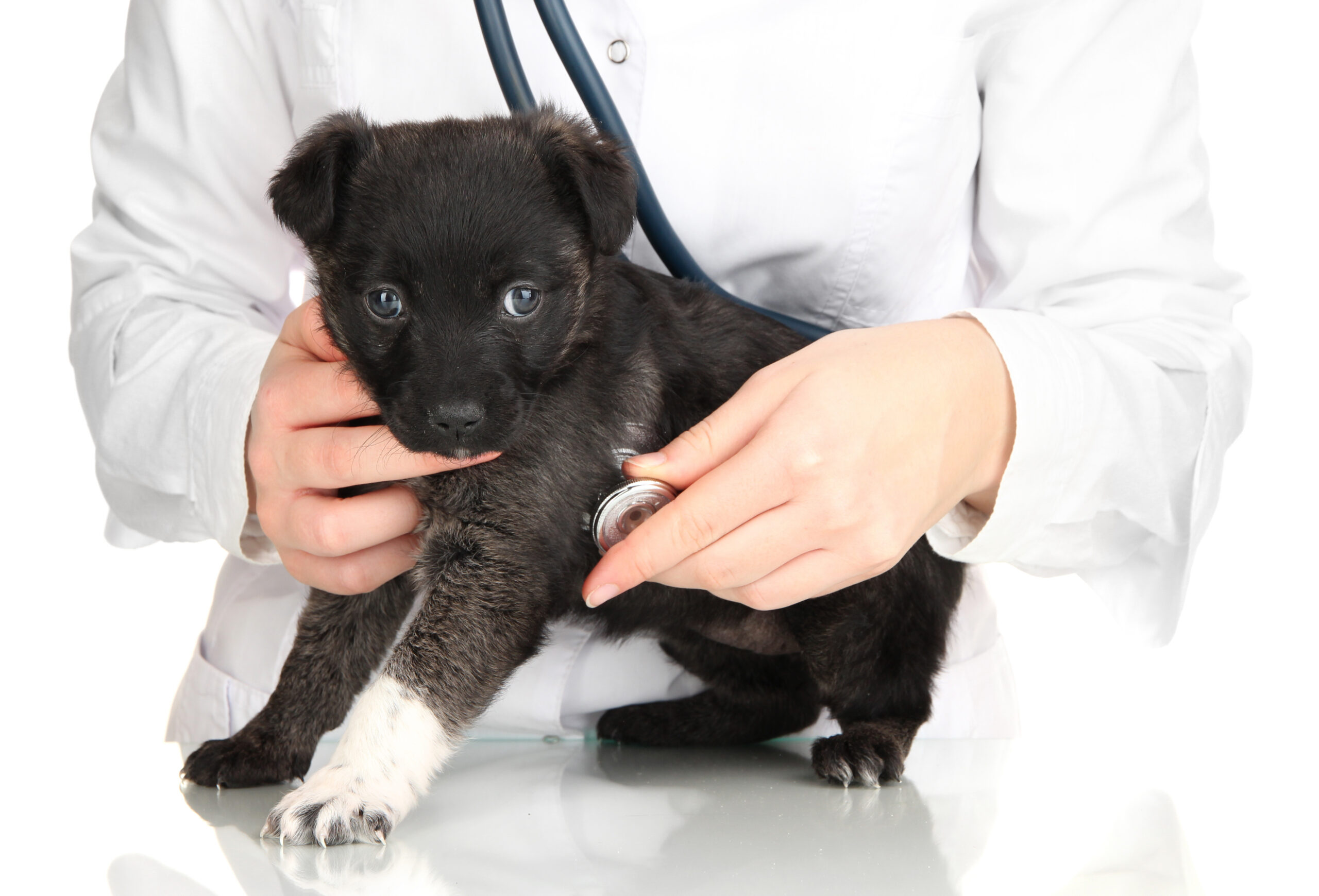
Your puppy’s first veterinary visit establishes their baseline health and begins essential preventive care. We perform a complete nose-to-tail physical examination checking heart and lungs with stethoscope evaluation, abdominal palpation for organ assessment, examination of eyes, ears, and mouth, skin and coat evaluation, musculoskeletal assessment for proper joint development, and checking for congenital abnormalities like hernias or heart murmurs.
We administer first vaccinations in the core vaccine series including distemper, adenovirus, parvovirus, and parainfluenza (DHPP), discuss bordetella (kennel cough) based on lifestyle, and provide the first heartworm, flea, and tick prevention dose. Fecal testing screens for intestinal parasites common in puppies, including roundworms, hookworms, whipworms, and Giardia. Deworming medication is administered if needed.
We provide comprehensive new puppy counseling covering nutrition recommendations and feeding schedules, house training strategies and realistic expectations, crate training guidance, socialization duringthe critical developmental period, basic puppy-proofing your home, appropriate exercise for growing bones, and what to expect during the first weeks at home.
2. Second Puppy Visit (12 Weeks Old – 20-30 minutes)
Your puppy returns for a continued vaccination series and growth assessment. Physical examination evaluates growth progress and development, checks for any new concerns since the first visit, and assesses weight gain and body condition. Second DHPP vaccination booster continues building immunity, and additional lifestyle vaccines may be recommended, including leptospirosis for disease exposure risk and Lyme disease in tick-prevalent areas.
We continue monthly heartworm, flea, and tick prevention. Behavior and training discussion addresses any developing issues, including puppy biting and mouthing, jumping on people, socialization progress, basic obedience training readiness, and continued house training support.
3. Third Puppy Visit (16 Weeks Old – 20-30 minutes)
Final puppy vaccination visit completes the initial immunity series. Physical examination continues monitoring growth and development, and we check that all previous concerns have resolved. Third DHPP vaccination booster completes the core series, rabies vaccination is administered (legally required), and booster doses of lifestyle vaccines if started previously.
We discuss spay/neuter timing and scheduling, transitioning from puppy food to adult food, dental care and tooth brushing training, continued behavior development, and adolescent stage expectations.
4. One-Year Wellness Exam (Annual Visit – 30 minutes)
Your puppy transitions to adult dog care at one year. Comprehensive adult dog physical examination is performed, annual vaccinations are administered, including DHPP booster and rabies booster, annual heartworm testing is conducted, fecal examination screens for parasites, and complete wellness blood work may be recommended as baseline.
Discussion topics include transitioning to adult dog food, long-term preventive care schedule, dental care, and professional cleaning timing, and any health or behavior concerns.
Total first-year visits: Most puppies require 4-5 wellness visits during their first year, ensuring proper growth, complete vaccination protection, and comprehensive preventive care, establishing lifelong health.
When Should Puppy Wellness Care Begin?
Puppy wellness care should start as soon as you bring your new puppy home, typically around 8 weeks of age. Early veterinary care ensures your puppy receives timely vaccinations, parasite prevention, and health screening during critical developmental periods.
Recommended Puppy Wellness Schedule
First visit (8 weeks): Initial examination, first DHPP vaccination, fecal test, deworming, heartworm/flea/tick prevention start
Second visit (12 weeks): Examination, second DHPP vaccination, lifestyle vaccines (lepto/Lyme if recommended), continued parasite prevention
Third visit (16 weeks): Examination, third DHPP vaccination, rabies vaccination, lifestyle vaccine boosters, spay/neuter discussion
Optional six-month visit: Growth check, pre-spay/neuter exam, behavior assessment
One-year visit: Annual examination, vaccination boosters, heartworm test, transition to adult care schedule
Signs Your Puppy Needs Immediate Veterinary Attention
Between scheduled wellness visits, contact us immediately if your puppy experiences vomiting or diarrhea lasting more than 24 hours, lethargy or extreme tiredness, loss of appetite for more than one meal, difficulty breathing or persistent coughing, pale gums or weakness, seizures or collapse, known toxic substance ingestion, or severe injury.
Common Puppy Health Conditions We Address
Intestinal parasites – Roundworms, hookworms, whipworms, and Giardia are common in puppies. Fecal testing and deworming protocols eliminate infections, preventing malnutrition, diarrhea, and transmission to people.
Parvovirus exposure risk – This deadly virus causes severe vomiting, bloody diarrhea, and death if untreated. Vaccination series provides essential protection during high-risk puppy period. Incomplete vaccination leaves puppies vulnerable.
Kennel cough (infectious tracheobronchitis) – Highly contagious respiratory infection causes persistent coughing. Bordetella vaccination prevents this common illness especially important for puppies attending training classes, daycare, or grooming facilities.
Ear infections – Puppies, especially floppy-eared breeds, commonly develop ear infections. Signs include head shaking, ear scratching, odor, and discharge. Early treatment prevents chronic ear problems.
Skin issues – Puppy dermatitis, hot spots, and allergic reactions require veterinary evaluation. We identify causes and provide appropriate treatment preventing chronic skin conditions.
Retained baby teeth – Some puppies don’t lose baby teeth properly, requiring extraction to prevent dental problems. We monitor tooth development and recommend intervention when necessary.
Umbilical hernias – Common congenital condition where abdominal contents protrude through belly button opening. Many resolve spontaneously but some require surgical repair during spay/neuter.
Congenital heart murmurs – Some puppies have heart murmurs detected during examination. We determine significance and whether referral to a veterinary cardiologist is needed.
Limping or lameness – Growing puppies may develop panosteitis (growing pains), hip dysplasia, or joint problems. Examination determines cause and appropriate management.
House training difficulties – While primarily behavioral, persistent accidents may indicate urinary tract infections, parasites, or other medical issues requiring treatment.
Vaccination Timing Is Critical
Puppies receive temporary immunity from mother’s milk but this protection wanes between 6-16 weeks, creating a vulnerable period. The vaccination series timed at 3-4 week intervals ensures continuous protection as maternal immunity fades. Missing or delaying vaccines leaves puppies susceptible to deadly diseases. Completing the full series on schedule provides optimal protection.
Socialization and Health Clearance
The critical socialization period occurs between 3-14 weeks when puppies most easily learn to accept new experiences. However, incomplete vaccination makes puppies vulnerable to disease exposure. We provide guidance on safe socialization strategies including puppy classes requiring vaccination proof, avoiding high-risk areas like dog parks, and controlled exposure to vaccinated dogs.
How Ridgefield Veterinary Center Provides Puppy Wellness Care Differently
Fear Free Puppy Visit Protocols
First veterinary experiences shape your puppy’s lifelong attitude toward medical care. Our Fear Free certification means we use positive reinforcement and treats throughout visits, provide non-slip surfaces preventing scary slips, allow puppies to explore the exam room freely, use gentle handling and minimal restraint, apply calming pheromone products, and avoid overwhelming puppies with too much at once. Positive early experiences create dogs who willingly visit the veterinarian throughout their lives rather than fearful, anxious patients.
Comprehensive New Puppy Education
Veterinary care is only part of successful puppy raising. We provide extensive owner education covering house training strategies and realistic timelines, crate training benefits and techniques, proper socialization during critical periods, puppy-proofing your home environment, nutrition and feeding schedules, bite inhibition and mouthing management, basic obedience training foundations, and common puppy behavior problems and solutions. Informed owners raise healthier, better-behaved dogs.
Individualized Vaccination Protocols
Not all puppies need identical vaccines. We tailor recommendations based on your puppy’s lifestyle and risk factors, including boarding or daycare attendance, dog park or group play plans, geographic location and disease prevalence, breed-specific considerations, and travel or relocation plans. This individualized approach provides necessary protection without over-vaccinating.
Complete Parasite Prevention Program
Puppies face multiple parasite threats requiring comprehensive prevention. Our program includes monthly heartworm prevention protecting against this deadly parasite, flea prevention eliminating these common pests, tick prevention crucial in Lyme disease endemic areas, and intestinal parasite control through fecal testing and deworming. Year-round prevention provides continuous protection.
Nutrition Counseling for Optimal Growth
Proper nutrition during puppyhood impacts lifelong health. We provide guidance on puppy food selection meeting AAFCO standards, appropriate portion sizes, preventing obesity, feeding frequency and schedules, transitioning between foods, avoiding toxic human foods, and choosing treats and chews safely. Large breed puppies require special consideration for bone development.
Breed-Specific Health Awareness
Different breeds face different health concerns. Our veterinarians understand breed predispositions, including large breed orthopedic concerns, brachycephalic (flat-faced) breed respiratory issues, small breed dental problems and hypoglycemia risk, herding breed sensitivities, and breed-specific genetic conditions. This knowledge guides examination focus and preventive recommendations.
Puppy Behavior and Training Support
Behavior problems are the leading cause of pet relinquishment to shelters. We provide early intervention guidance addressing puppy biting and mouthing, jumping on people, house training difficulties, separation anxiety, inappropriate chewing, fear or aggression toward people or dogs, and basic obedience training. Early guidance prevents problems from becoming ingrained behaviors.
Convenient Puppy Visit Scheduling
New puppy owners have busy schedules managing house training, socialization, and care. We offer flexible appointment scheduling, reminder calls and texts for follow-up visits, documentation of vaccination records for training classes and boarding, and same-day appointments for urgent concerns between wellness visits.
Spay/Neuter Planning and Education
Deciding when to spay or neuter your puppy requires understanding breed-specific recommendations, growth considerations, especially for large breeds, health benefit,s including cancer prevention, and behavioral impacts. We discuss timing during puppy visits, provide detailed procedure information, schedule surgery at the appropriate age, and offer competitive pricing.
Lifetime Health Partnership
Your puppy’s wellness visits establish a veterinary relationship lasting their entire life. We maintain complete medical records from puppyhood through senior years, track vaccination history and booster due dates, monitor growth trends and weight over time, document congenital conditions and predispositions, and provide continuity of care with veterinarians who know your dog’s complete history.
70 Years of Puppy Care Experience
Since 1955, Ridgefield Veterinary Center veterinarians have cared for thousands of puppies. This extensive experience means recognizing normal versus abnormal puppy development, identifying subtle signs of congenital problems, knowing which puppy behaviors are concerning, understanding breed-specific needs and risks, and providing realistic expectations for new puppy owners.
Puppy Wellness Care FAQs
When should I bring my new puppy to the veterinarian?
How many veterinary visits does my puppy need in the first year?
What vaccinations does my puppy need?
Can I take my puppy to dog parks or puppy classes before vaccinations are complete?
Why does my puppy need multiple vaccination visits?
What should I feed my puppy?
How often should I feed my puppy?
When should I spay or neuter my puppy?
Is it normal for my puppy to bite and mouth everything?
How do I house train my puppy successfully?
Why does my puppy have worms?
Comprehensive Veterinary Services for Your Growing Puppy
Puppy wellness care integrates multiple veterinary services supporting your dog’s development and long-term health:
Dog Vaccinations in Ridgefield CT – Comprehensive vaccination series protecting puppies from deadly diseases, including distemper, parvovirus, rabies, and lifestyle-dependent illnesses.
Pet Wellness Exams in Ridgefield CT – Annual examinations continue throughout your dog’s life after puppyhood, maintaining preventive care and early disease detection.
Spay Neuter Services in Ridgefield CT – Surgical sterilization, typically performed around 6-12 months, prevents reproductive cancers, eliminates unwanted pregnancies, and may reduce behavior problems.
Pet Dental Care in Ridgefield CT – Establishing tooth brushing habits during puppyhood prevents dental disease. Professional cleanings begin when needed to maintain oral health.
Puppy Behavior Consultations – Professional guidance addresses common puppy behavior problems, including house training, biting, jumping, and socialization concerns, before they become serious issues.
Fear Free Veterinary Care – Our certification ensures every puppy visit uses positive, low-stress techniques creating dogs who willingly accept veterinary care throughout their lives.
Emergency Services – Puppies are curious and accident-prone. We provide urgent care for injuries, toxic ingestions, and sudden illness during business hours.
Schedule Your Puppy’s First Wellness Visit Today
Give your new puppy the healthiest start possible with comprehensive wellness care from Ridgefield Veterinary Center. Our Fear Free certified team provides expert veterinary services, essential vaccinations, and guidance helping your puppy thrive.
Three Easy Ways to Schedule:
📞 Call us directly: 203-438-2658 Our team answers new puppy questions and schedules your first wellness visit.
🖥️ Book online now – Request a puppy wellness appointment 24/7.
📍 Visit us: 722 Danbury Road, Ridgefield, CT 06877 Monday-Friday 8:00 AM – 5:00 PM (Closed 1-2 PM daily)