

Dog Sunburn Prevention: How to Protect Your Dog’s Skin
Dogs can get sunburned, especially in areas with thin fur or light pigment like the nose, ear tips, and belly, so prevention includes limiting midday sun, providing shade, and applying dog-specific sunscreen. Human sunscreens should be avoided since ingredients like zinc oxide and PABA can be harmful if a dog licks the treated area.

Benefits of Cold Laser Therapy for Dogs: Pain Relief, Mobility, and Healing
Cold laser therapy for dogs may reduce pain and inflammation, improve mobility, and support healing after injury or surgery through a light-based process called photobiomodulation. While non-invasive and drug-free, it works best as part of a broader treatment plan alongside veterinary examination, medication, or rehabilitation rather than as a standalone cure.

Why Is My Cat Losing Weight? Causes and When to See a Vet
Unexplained weight loss in cats can signal hyperthyroidism, diabetes, kidney disease, intestinal problems, or dental pain, even when a cat still seems to be eating normally. This Ridgefield, CT vet guide breaks down the common causes, key warning signs to track, and when unexplained weight loss calls for a prompt veterinary exam.
How to Tell If a Dog Wound Is Infected: Warning Signs
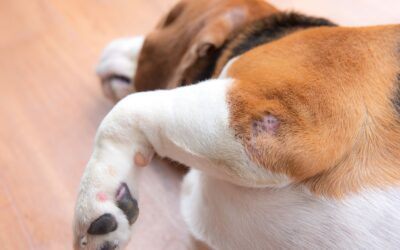
Learn how to tell if a dog wound is infected by watching for spreading redness, increasing swelling, thick or foul-smelling discharge, and changes in your dog’s appetite or energy. This Ridgefield, CT vet guide covers normal healing stages versus warning signs, high-risk wound types, and when to seek prompt veterinary care.

Is Your Cat Hiding and Not Eating? Urgent Signs and What to Do
A cat that suddenly hides and stops eating could be dealing with stress, dental pain, nausea, or a more serious underlying illness. This Ridgefield, CT vet guide breaks down the warning signs to watch for, how long a cat can safely go without food, and when hiding and appetite loss cross the line into a veterinary emergency.

Leptospirosis in Dogs: Symptoms and Critical Warning Signs
Leptospirosis in dogs can start with vague signs like vomiting, fatigue, and increased thirst, but left untreated it can progress to serious kidney, liver, and lung damage. This guide from Ridgefield Veterinary Center covers early warning signs, how dogs get exposed around Ridgefield, and when to seek urgent care.

Should I Get Pet Insurance? A Guide for Ridgefield Pet Owners
Whether pet insurance is worth it depends on your pet’s age and health history, the policy’s deductible and exclusions, and whether an unexpected vet bill would strain your budget. This guide breaks down how coverage, claims, and costs actually work so Ridgefield pet owners can make an informed decision.
Dog Skin Allergies: Home Remedies for Relief and When to See a Vet
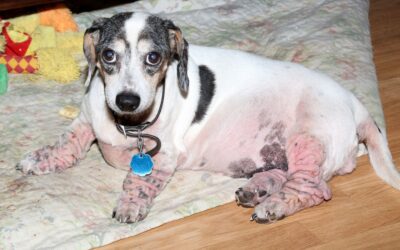
Some dog skin allergy home remedies, like oatmeal baths, paw wiping, and consistent flea prevention, can ease mild itching, but they don’t treat the underlying cause. Learn which products are safe to try, which ones to avoid, and when it’s time to schedule a veterinary appointment in Ridgefield.

Signs of Dehydration in Cats: Symptoms, Causes, and When to See a Vet
Signs of dehydration in cats include dry or sticky gums, low energy, sunken eyes, and skin that stays tented after a gentle lift instead of springing right back. A cat can become dehydrated even while still drinking water, since conditions like kidney disease or diabetes can cause fluid loss to outpace intake. Home checks like the skin-tent test can offer clues but aren’t reliable on their own, especially in older or underweight cats whose skin loses elasticity naturally. Prompt veterinary care becomes essential when several signs appear together, or when a cat stops eating, drinking, or urinating normally.

How to Protect Pets From Mosquitoes: 8 Vet-Recommended Tips
Mosquito bites can transmit heartworm larvae to both dogs and cats, and even a small number of worms can cause serious illness in cats. Reducing exposure means eliminating standing water where mosquitoes breed, adjusting outdoor routines around dawn and dusk when activity peaks, and repairing damaged window screens. Since human repellents and many essential oils aren’t formulated or tested for pets, only products labeled specifically for a pet’s species should be used. Because no preventive is completely effective, year-round heartworm medication remains essential even for indoor pets.